IFAN factory 30+ years manufacture experience support color /size customization support free sample.Welcome to consult for catalog and free samples.This is our Facebook Website:www.facebook.com,Click to watch IFAN’s product video.Compared with Tomex products, our IFAN products from quality to price are your best choice, welcome to buy!
Brass fittings play a pivotal role in modern plumbing and HVAC (Heating, Ventilation, and Air Conditioning) systems. These fittings are used to connect, seal, and secure various pipes and components in both residential and industrial systems. Their exceptional properties, including corrosion resistance, durability, and ease of installation, make brass fittings indispensable in many applications. In this article, we will explore the different types of brass fittings, their advantages, and their significance in contemporary plumbing and HVAC systems.
What Are Brass Fittings?
Brass fittings are hardware components made from an alloy of copper and zinc. This unique blend gives brass its characteristic yellow-golden hue and makes it both strong and resistant to corrosion. Brass fittings are used to join, redirect, and seal piping systems, ensuring efficient fluid and gas flow in various applications, including plumbing, HVAC, and gas distribution systems.
Composition of Brass
Brass is typically composed of around 60-70% copper and 30-40% zinc. The ratio of copper to zinc can vary depending on the desired strength, durability, and resistance to corrosion. This combination of metals ensures that brass fittings can withstand high pressure, temperature fluctuations, and exposure to moisture.
Types of Brass Fittings in Plumbing and HVAC Systems
Brass fittings come in a variety of forms, each designed for a specific purpose. These fittings are used extensively in plumbing and HVAC systems to create leak-proof seals and maintain the flow of fluids and gases.
1. Compression Fittings
Compression fittings are commonly used in plumbing systems to join pipes without the need for soldering. They consist of a brass nut, a compression ring, and a fitting body. When tightened, the compression ring squeezes around the pipe, creating a tight, leak-resistant seal. Compression fittings are particularly useful in residential plumbing where ease of installation and durability are important.
2. Elbow Fittings
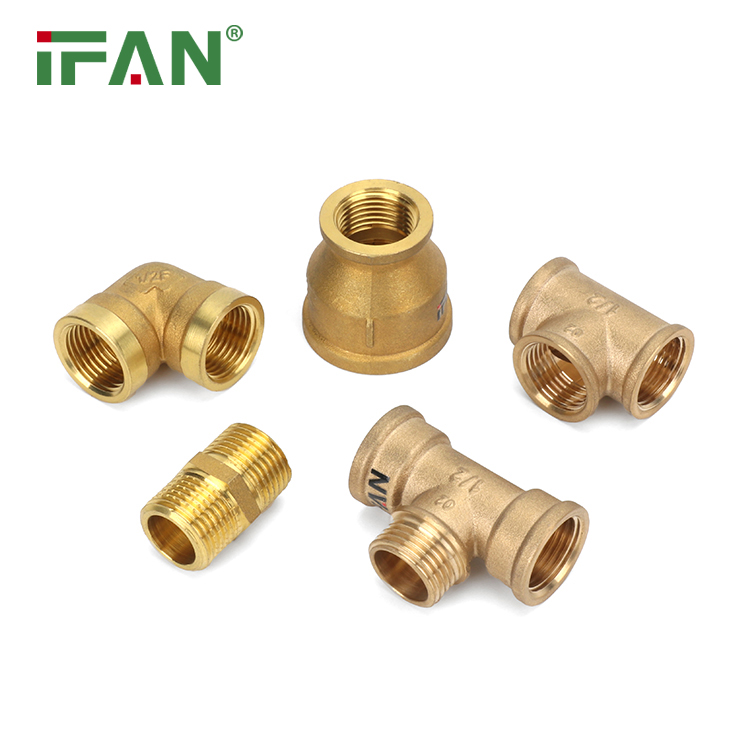
Elbow fittings are essential for changing the direction of a pipe. These fittings come in various angles, such as 45 degrees and 90 degrees, and are commonly used in both plumbing and HVAC systems. By redirecting the flow of water, gas, or air, elbow fittings help maintain the system’s overall efficiency and functionality.
3. Tee Fittings
Tee fittings are designed to join three pipes, allowing fluid or gas to flow in multiple directions from a single source. These fittings are used in both plumbing and HVAC systems to create branches or splits in the piping network. Tee fittings are critical for ensuring that fluids or gases can be distributed to various areas of a system.
4. Couplings
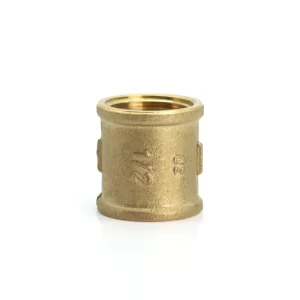
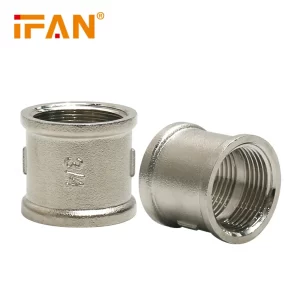
Couplings are used to connect two sections of pipe. They allow the system to extend in length or to replace damaged sections of pipe. Brass couplings provide a reliable and secure connection that can withstand high-pressure environments, making them suitable for use in both residential and industrial applications.
5. Nipple Fittings
Nipple fittings are short pieces of pipe with threads at both ends. These fittings are used to connect other fittings or sections of pipe. They are available in various lengths and are used in plumbing and HVAC systems to maintain consistent flow and pressure.
Why Are Brass Fittings Important in Plumbing and HVAC?
Brass fittings offer several advantages that make them the preferred choice for many applications. Their strength, corrosion resistance, and versatility ensure that they perform effectively in both plumbing and HVAC systems.
1. Corrosion Resistance
One of the most important advantages of brass fittings is their resistance to corrosion. Brass is highly resistant to rust and degradation, making it ideal for use in environments where moisture is present. This characteristic is especially important in plumbing systems, where fittings are often exposed to water and other elements that can cause rusting and deterioration.
2. Durability
Brass fittings are known for their exceptional strength and durability. They can withstand high pressure, temperature fluctuations, and mechanical stress, making them ideal for use in both residential and industrial systems. Their long-lasting nature ensures that brass fittings require minimal maintenance, which is a significant advantage in systems that need to function reliably over many years.
3. Ease of Installation
Brass fittings are relatively easy to install, even for those with limited experience in plumbing or HVAC work. Compression fittings, for example, do not require welding or soldering and can be tightened by hand or with basic tools. This ease of installation makes brass fittings a popular choice for both professional plumbers and DIY enthusiasts.
4. Versatility
Brass fittings are highly versatile and can be used in a variety of applications. They are compatible with different pipe materials, including copper, steel, and plastic, and can be used in a wide range of systems, including plumbing, gas, HVAC, and automotive applications. Their adaptability ensures that they remain a go-to solution for many industries.
5. Non-toxic and Safe
Brass is a non-toxic material, which makes it safe for use in drinking water systems. This is particularly important in plumbing systems, where the quality of water is essential for health and safety. Brass fittings meet stringent safety standards, ensuring that they do not contaminate water or other fluids in the system.
The Role of Brass Fittings in Plumbing Systems
In plumbing systems, brass fittings are crucial for connecting pipes and ensuring the proper flow of water throughout a building. From faucets to water heaters, brass fittings are used to create secure, leak-proof connections. These fittings are particularly important in systems that require high durability and resistance to corrosion, such as those that carry hot water or are exposed to harsh environmental conditions.
Brass fittings also contribute to the efficiency of plumbing systems by preventing leaks, which can lead to water wastage and damage to the surrounding infrastructure. By using high-quality brass fittings, homeowners and businesses can ensure the longevity and performance of their plumbing systems.
The Role of Brass Fittings in HVAC Systems
In HVAC systems, brass fittings are essential for connecting pipes that carry refrigerants, air, or water. These systems require fittings that can withstand pressure changes, temperature fluctuations, and exposure to corrosive materials. Brass fittings help maintain the integrity of the HVAC system, ensuring that air conditioning, heating, and ventilation systems operate efficiently and reliably.
Brass fittings also play a key role in gas and refrigerant line systems. Their resistance to corrosion and high pressure ensures that HVAC systems remain leak-free, which is critical for the safe and efficient operation of these systems.
Conclusion
Brass fittings are an integral part of modern plumbing and HVAC systems. Their corrosion resistance, durability, and ease of installation make them an ideal choice for a wide range of applications. Whether in residential plumbing or industrial HVAC systems, brass fittings provide reliable, long-lasting performance. By understanding the different types of brass fittings and their role in these systems, you can make informed decisions about the materials you use in your plumbing or HVAC projects.
Frequently Asked Questions (FAQs)
1. What are brass fittings made of?
Brass fittings are made from an alloy of copper and zinc. The specific ratio of these metals varies depending on the intended application and desired properties.
2. Can brass fittings be used in high-temperature systems?
Yes, brass fittings can withstand high temperatures, making them suitable for both hot water plumbing systems and HVAC applications that involve heating or cooling.
3. Are brass fittings safe for drinking water?
Yes, brass fittings are non-toxic and safe for use in drinking water systems, as long as they meet the necessary safety standards.
4. How do I install brass fittings?
Brass fittings can be installed by threading them onto pipes, using compression fittings, or soldering, depending on the type of fitting and application.
5. Do brass fittings require regular maintenance?
Brass fittings are generally low-maintenance. However, it’s important to periodically inspect them for leaks and clean them to prevent the buildup of grime or corrosion.
Related products
-
-
 Brass Fittings
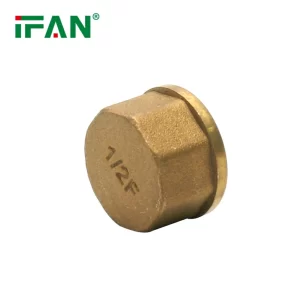
Brass Fitting Cap: Sealing Perfection for Plumbing Security
-
-