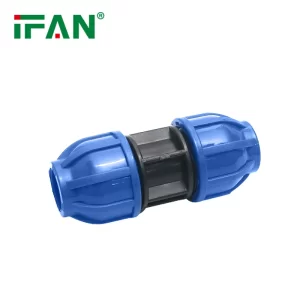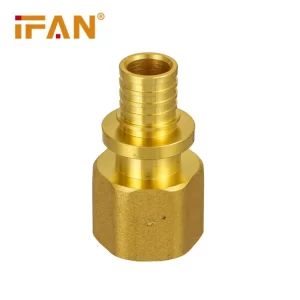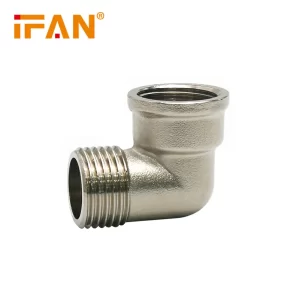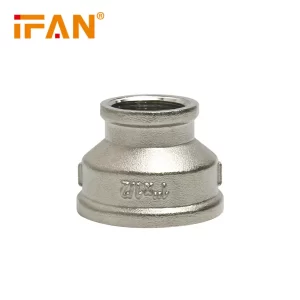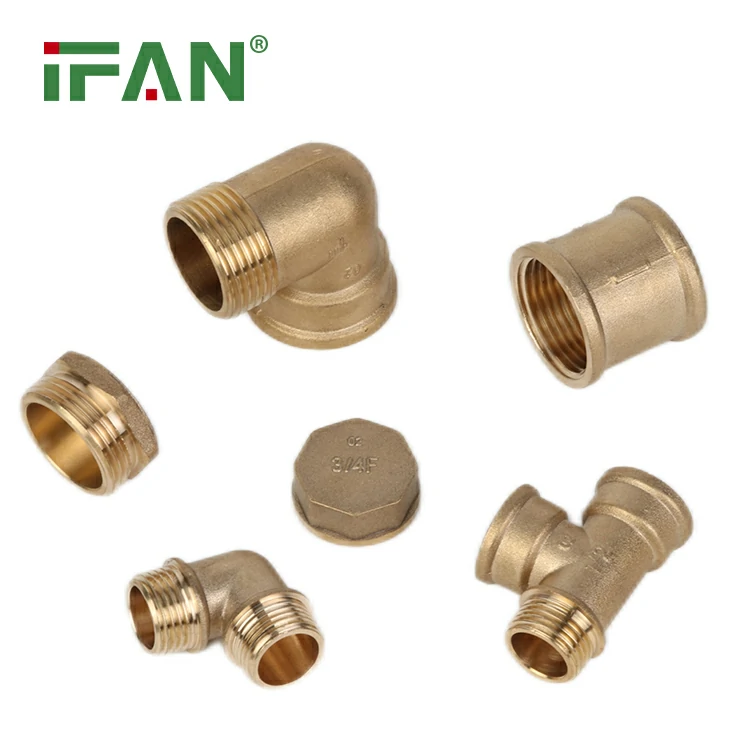
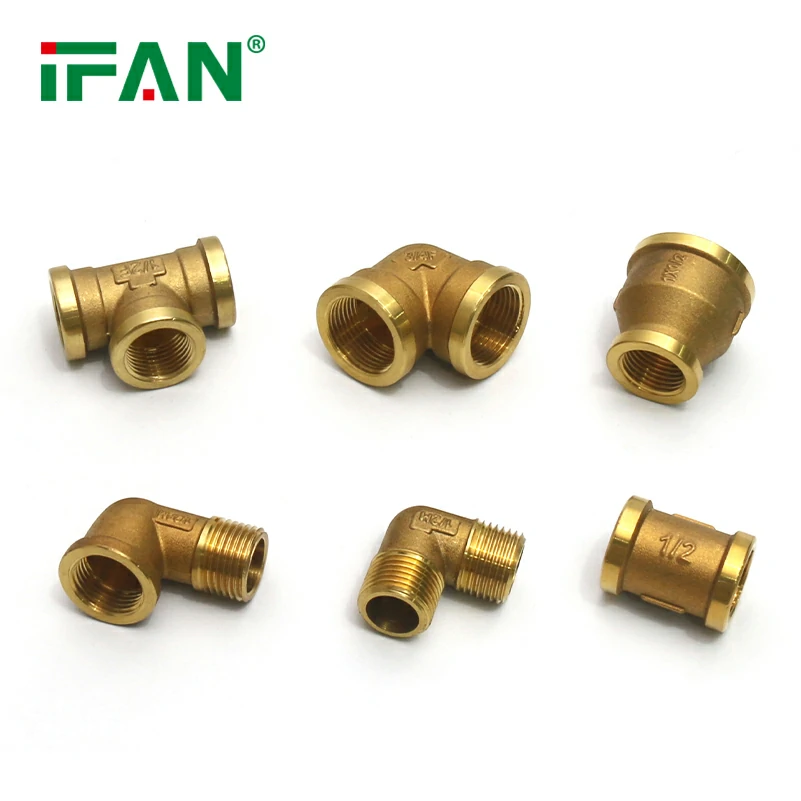
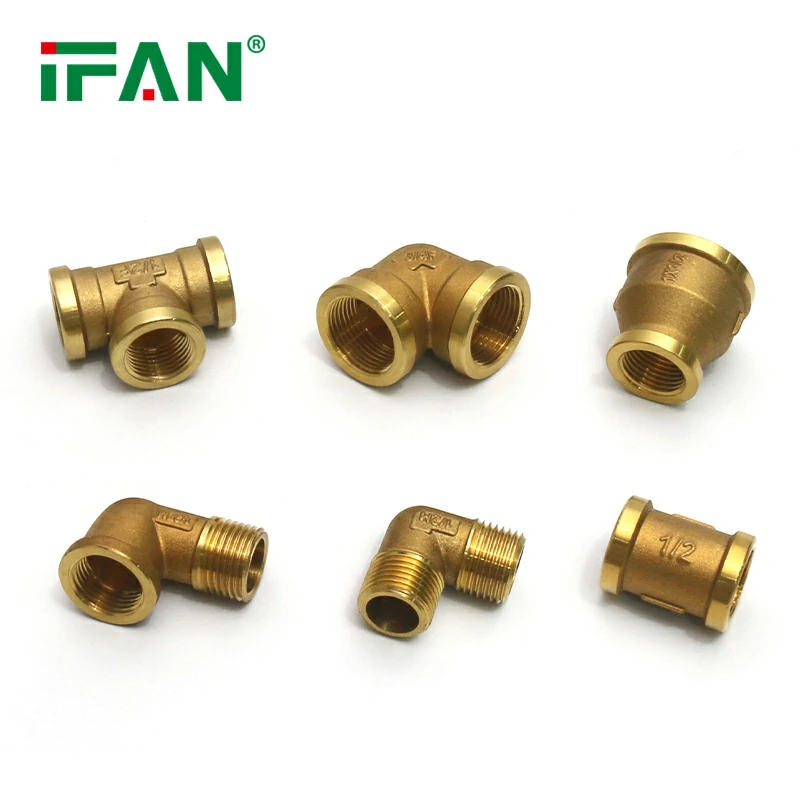
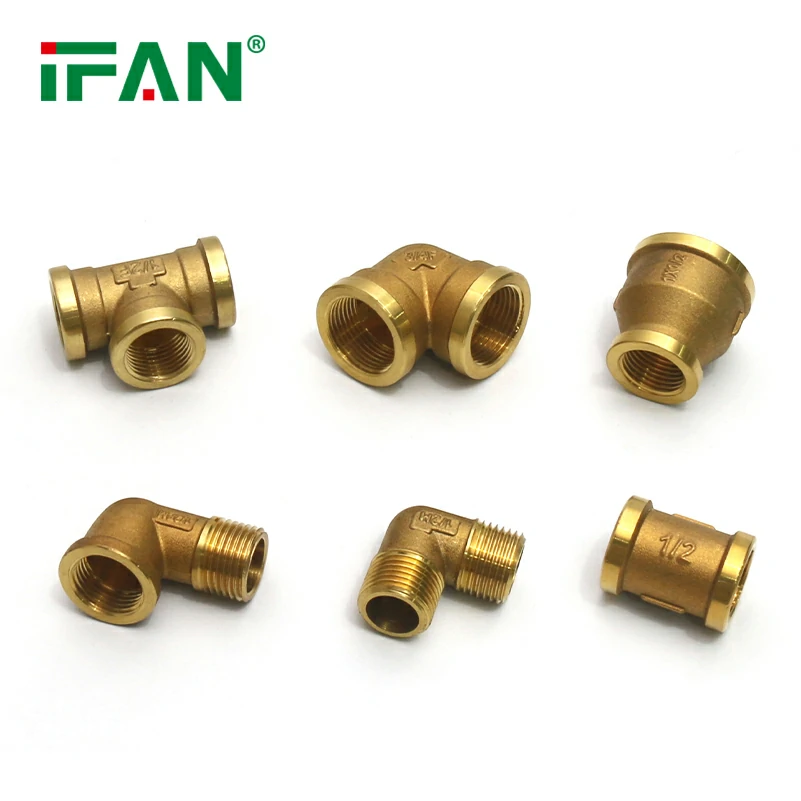
IFAN factory 30+ years manufacture experience support color /size customization support free sample.Welcome to consult for catalog and free samples.This is our Facebook Website:www.facebook.com,Click to watch IFAN’s product video.Compared with Tomex products, our IFAN products from quality to price are your best choice, welcome to buy!
When it comes to plumbing, materials matter. Brass fittings have long been a popular choice due to their durability, resistance to corrosion, and versatility. Whether you’re working on a residential plumbing project or an industrial installation, understanding where and why brass fittings are used can help ensure your system performs at its best. In this article, we will explore the top five common applications for brass fittings in modern plumbing.
1. Water Supply Lines
Brass Fittings for Water Supply Systems
One of the most common applications for brass fittings is in water supply systems. Brass is a perfect material for the connections that carry drinking water into homes and businesses. The corrosion-resistant properties of brass ensure that these fittings will last longer than those made from other metals like steel or copper. Brass fittings are also less likely to develop leaks, which is essential for preventing water damage.
Why Choose Brass for Water Supply Lines?
Brass fittings are highly resistant to rust and corrosion, making them ideal for water supply lines, which are exposed to constant moisture. They also offer a secure seal and prevent leaks, ensuring the system operates smoothly and efficiently. Brass is also non-toxic, ensuring that the water supply remains safe for consumption.
2. Gas Lines
Brass Fittings for Natural Gas and Propane Systems
In both residential and commercial settings, brass fittings are essential components in gas line installations, whether it’s natural gas or propane. Brass’s resistance to corrosion and high pressure makes it a reliable choice for these systems. Gas lines are crucial to homes and industries, and any leak or failure in the system can be dangerous. Brass fittings, with their ability to withstand the pressure and elements, ensure safe operation.
Why Brass Is Preferred for Gas Systems
Brass is commonly used in gas lines because it is resistant to the corrosive effects of gases and the wear that occurs with high-pressure systems. Unlike other metals, brass does not degrade easily when exposed to gas, making it a secure and durable choice. Additionally, brass fittings provide a secure, leak-free connection, which is crucial for gas lines.
3. Heating Systems
Brass Fittings in Radiators and Boilers
Heating systems, particularly those involving boilers or radiators, often use brass fittings for their efficiency and durability. These fittings are perfect for withstanding high temperatures and pressures. Whether it’s hot water or steam that circulates through the system, brass maintains its integrity under these challenging conditions.
Why Brass Works Well in Heating Systems
The primary benefit of brass fittings in heating systems is their ability to resist high temperatures and pressure fluctuations. Brass fittings help maintain the structural integrity of the system, preventing leaks and ensuring efficient heat transfer. Furthermore, the material is highly resistant to the corrosion that can occur in environments exposed to hot water or steam, making it ideal for these applications.
4. Plumbing Fixtures
Brass Fittings for Faucets, Showerheads, and Valves
Brass fittings are also a staple in the installation of various plumbing fixtures such as faucets, showerheads, and valves. These fixtures are subject to daily wear and tear, including exposure to moisture and constant use. Brass fittings provide the strength and durability needed to keep these fixtures functioning smoothly for years.
Why Brass Is Ideal for Plumbing Fixtures
Fittings made of brass offer several advantages for plumbing fixtures. Brass is resistant to corrosion, even in the presence of constant water flow, ensuring a long lifespan for your fixtures. Additionally, its malleability allows manufacturers to design precise and reliable connections for faucets, showerheads, and other components. The strength of brass fittings makes them ideal for fixtures that experience constant pressure and use.
5. Irrigation Systems
Brass Fittings in Irrigation and Sprinkler Systems
Irrigation systems often rely on brass fittings due to the material’s ability to withstand the harsh outdoor elements. Whether it’s agricultural irrigation or residential lawn sprinklers, brass fittings are used to ensure that water flows efficiently and consistently. The durability of brass allows these systems to perform well over time without frequent maintenance or replacements.
Why Brass Is Perfect for Irrigation Systems
Brass fittings are perfect for irrigation systems because they can endure constant exposure to water and environmental elements such as soil, sunlight, and temperature fluctuations. Brass is corrosion-resistant, meaning it won’t rust or degrade over time. This makes it an ideal choice for outdoor applications that require long-lasting and reliable components. Additionally, brass fittings maintain their strength under pressure, ensuring efficient water flow through the system.
Conclusion
Brass fittings are essential in modern plumbing, offering a versatile and durable solution for a variety of systems. Whether it’s in water supply lines, gas systems, heating installations, plumbing fixtures, or irrigation systems, brass fittings provide the reliability and strength needed for secure, long-lasting connections. Their resistance to corrosion, high temperatures, and pressure makes them an ideal choice for both residential and commercial plumbing needs.
Frequently Asked Questions (FAQs)
1. What are brass fittings made of?
Brass fittings are made from an alloy primarily composed of copper and zinc. The combination of these metals creates a material that is durable, resistant to corrosion, and easy to work with.
2. Why should I use brass fittings instead of copper or steel?
Brass fittings are preferred for many plumbing applications because they are resistant to corrosion, particularly in water and gas systems. They also provide strong, leak-free connections and are more durable under high-pressure conditions compared to copper or steel.
3. Are brass fittings safe for drinking water?
Yes, brass fittings are safe for drinking water applications. Brass is a non-toxic material, and many plumbing systems use brass fittings to ensure safe and clean drinking water.
4. How do I maintain brass fittings in my plumbing system?
To maintain brass fittings, it’s important to regularly inspect them for signs of wear or damage. If corrosion or leakage occurs, replace the fittings promptly. You can also clean brass fittings with mild soap and water to keep them free of debris.
5. Can brass fittings be used for both hot and cold water systems?
Yes, brass fittings are suitable for both hot and cold water systems due to their ability to resist high temperatures and maintain structural integrity. They are commonly used in a variety of residential and commercial plumbing systems.
This article adheres to SEO best practices by using relevant keywords such as “brass fittings,” “plumbing systems,” and “gas lines” throughout the text.
Related products