Introduction
The health risks associated with lead water pipes have prompted many municipalities and homeowners to seek alternatives, such as PEX (cross-linked polyethylene) and other plastic piping systems. While replacing lead pipes with PEX or other plastic materials is generally seen as a positive step towards improving water safety, it is essential to consider the potential safety issues that may arise from this transition. One alternative that has gained attention is PPR (Polypropylene Random Copolymer) pipe, which offers various benefits but also comes with its own set of considerations. This article will explore the implications of replacing lead water pipes with plastic, focusing on PPR pipes, and discuss the safety issues that may emerge in this context.
The Dangers of Lead Water Pipes
Lead water pipes have been widely used in plumbing systems for decades, primarily due to their durability and resistance to corrosion. However, lead is a toxic metal that can leach into drinking water, posing severe health risks, particularly to children and pregnant women. Lead exposure can lead to developmental issues, cognitive impairments, and various other health problems. As awareness of these dangers has grown, many communities have initiated programs to replace lead pipes with safer alternatives.
The Rise of PEX and PPR Pipes
PEX Pipes
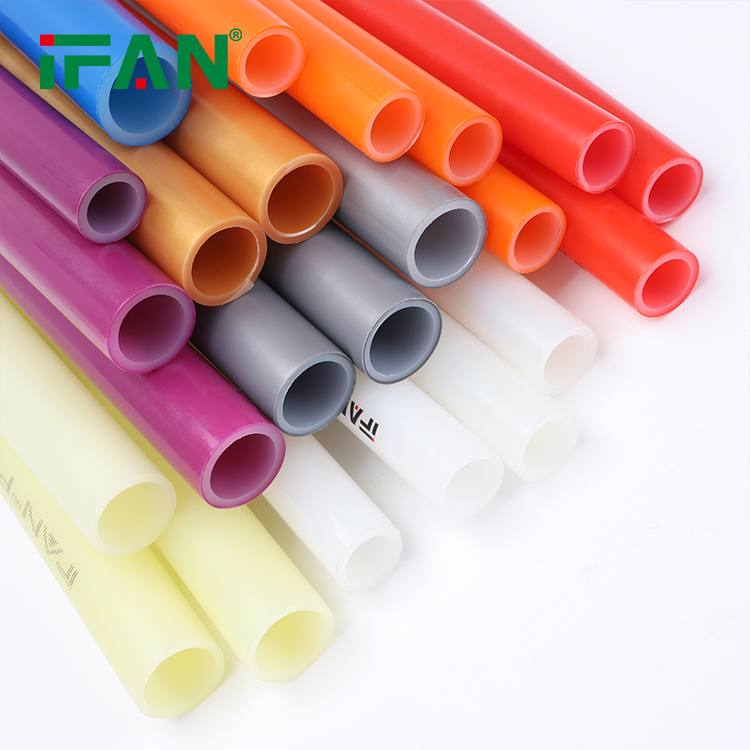
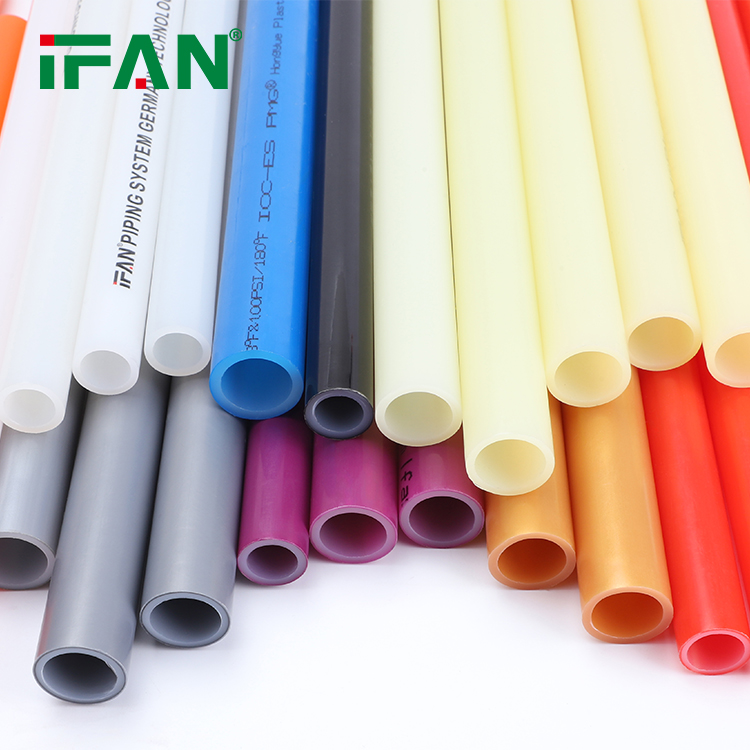
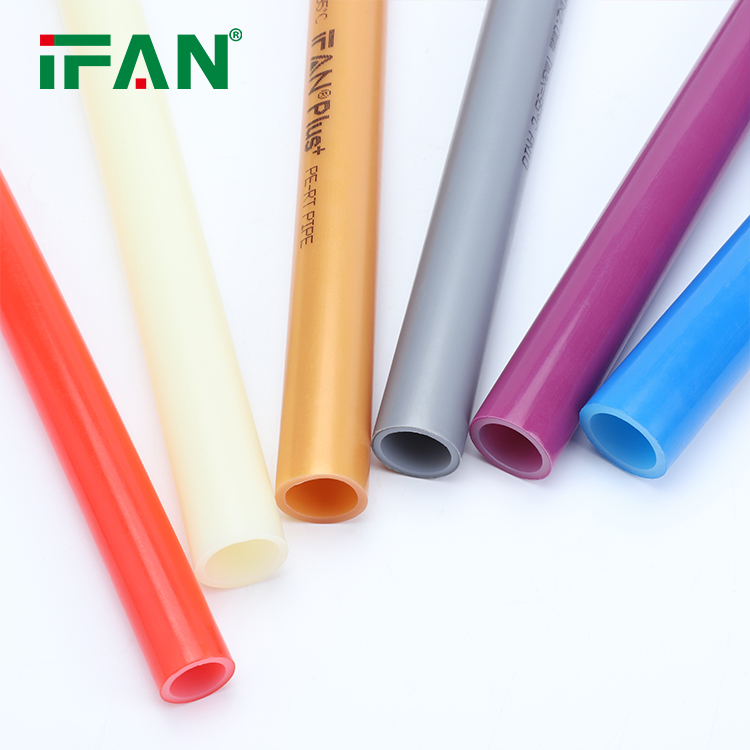
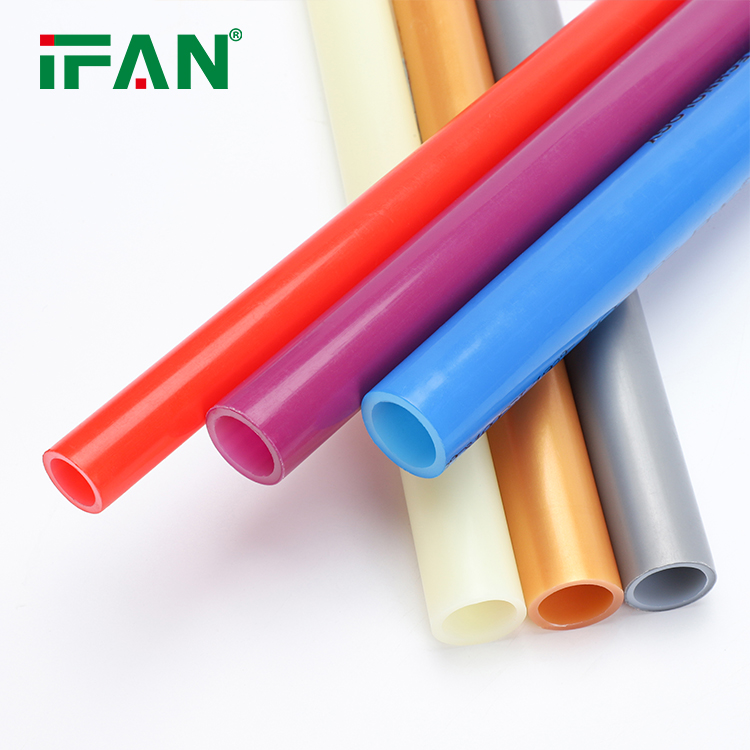
PEX pipes have become a popular choice for plumbing systems due to their flexibility, ease of installation, and resistance to corrosion. They are made from cross-linked polyethylene, which allows for expansion and contraction without cracking. PEX pipes are also resistant to scale and chlorine, making them a durable option for both hot and cold water applications.
PPR Pipes
PPR pipes, or Polypropylene Random Copolymer pipes, are another alternative to lead pipes. They are known for their high resistance to heat and pressure, making them suitable for hot water applications. PPR pipes are lightweight, easy to install, and resistant to corrosion and chemical leaching. This makes them a popular choice in both residential and commercial plumbing systems.
Potential Safety Issues with Plastic Pipes
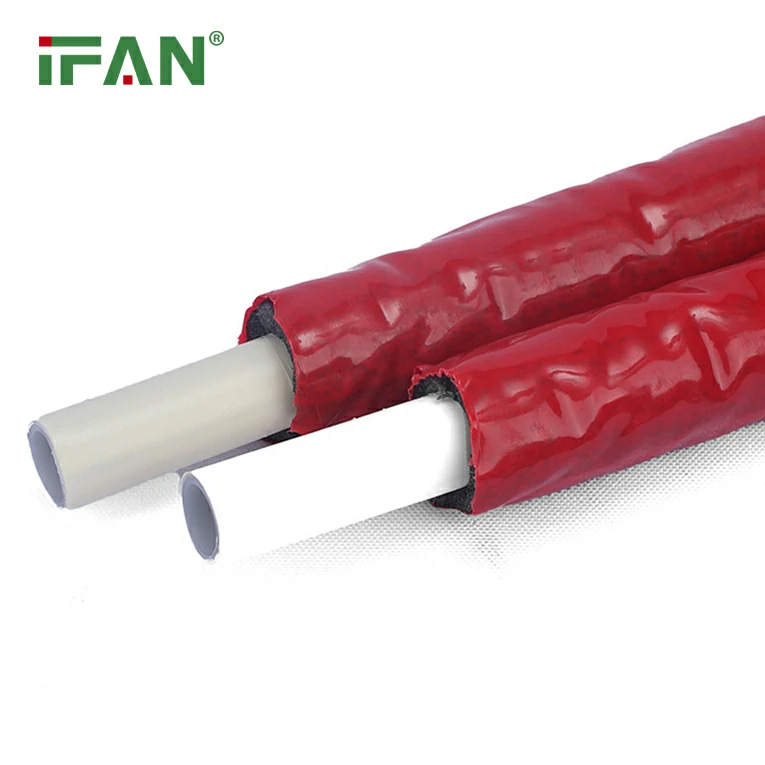
While replacing lead pipes with PEX or PPR is generally considered a safe move, there are several potential safety issues that could arise from the use of plastic piping systems:
1. Chemical Leaching
One of the primary concerns with plastic pipes, including PEX and PPR, is the potential for chemical leaching. Although PEX and PPR are designed to be safe for drinking water, there are still concerns about the leaching of chemicals from the pipe material into the water supply.
- PEX Leaching: Studies have shown that PEX pipes can leach certain chemical compounds, such as volatile organic compounds (VOCs), into drinking water. While these levels are usually below regulatory limits, there are ongoing debates about the long-term health effects of consuming water with trace levels of these chemicals.
- PPR Safety: PPR pipes are often considered safer than PEX in terms of chemical leaching. They are made from polypropylene, which is less likely to leach harmful substances. However, the quality of the PPR pipe and the manufacturing process can influence its safety, making it essential to choose high-quality products from reputable manufacturers.
2. Microbial Growth
Plastic pipes can create an environment conducive to microbial growth, particularly in warm and stagnant water conditions.
- Biofilm Formation: The interior surface of plastic pipes can support the growth of biofilms, which can harbor bacteria, including pathogens that may pose health risks. While this is a concern for all types of plumbing materials, the smooth surface of PEX and PPR pipes may make it easier for biofilms to develop.
- Mitigation Strategies: Regular flushing of the plumbing system and maintaining proper water temperatures can help reduce the risk of microbial growth in plastic pipes.
3. Temperature and Pressure Limitations
Both PEX and PPR pipes have specific temperature and pressure ratings that must be adhered to during installation and use. Exceeding these limits can lead to pipe failure.
- PEX Limitations: PEX pipes are generally rated for a maximum temperature of around 200°F (93°C) and a maximum pressure of approximately 80 psi. If these limits are exceeded, the integrity of the pipe can be compromised, potentially leading to leaks or bursts.
- PPR Limitations: PPR pipes can handle higher temperatures and pressures, making them suitable for hot water applications. However, improper installation or exceeding the specified limits can still lead to safety issues.
4. Installation Quality
The quality of the installation plays a crucial role in the safety and reliability of plastic piping systems. Poor installation practices can lead to leaks, system failures, and other safety concerns.
- Fitting Compatibility: Ensuring that the fittings used with PEX and PPR pipes are compatible is essential for maintaining system integrity. Incompatible fittings can lead to leaks and potential contamination of the water supply.
- Professional Installation: Hiring qualified professionals for the installation of PEX or PPR pipes can help mitigate risks associated with improper installation techniques.
Regulatory Considerations
As communities transition from lead pipes to plastic alternatives, regulatory considerations become increasingly important.
1. Standards and Certifications
Both PEX and PPR pipes must meet specific standards and certifications to ensure their safety for drinking water applications. In the United States, the NSF/ANSI 61 standard is commonly used to evaluate the safety of drinking water system components.
- Certification Importance: Choosing certified products can help ensure that the pipes and fittings used in plumbing systems are safe and meet regulatory requirements.
2. Local Regulations
Local regulations may vary regarding the use of PEX and PPR pipes in plumbing systems. It is essential for homeowners and contractors to be aware of these regulations to ensure compliance and safety.
Conclusion
Replacing lead water pipes with plastic alternatives like PEX and PPR is a necessary step towards improving water safety. However, it is crucial to be aware of the potential safety issues that may arise from the use of plastic piping systems. Chemical leaching, microbial growth, temperature and pressure limitations, and installation quality are all factors that must be considered to ensure the safety and reliability of the plumbing system.
While PPR pipes offer several advantages, including resistance to chemical leaching and high-temperature capabilities, proper installation and adherence to regulatory standards are essential. By understanding the implications of transitioning from lead pipes to plastic alternatives, homeowners and municipalities can make informed decisions that prioritize public health and safety.
Frequently Asked Questions (FAQs)
1. Are PPR pipes safer than PEX pipes?
PPR pipes are generally considered safer than PEX pipes in terms of chemical leaching, as they are less likely to leach harmful substances into drinking water. However, both options have their advantages and considerations.
2. Can plastic pipes leach chemicals into drinking water?
Yes, plastic pipes, including PEX and PPR, can leach certain chemicals into drinking water. It is essential to choose high-quality products and adhere to regulatory standards to minimize this risk.
3. How can I reduce the risk of microbial growth in plastic pipes?
Regularly flushing the plumbing system and maintaining proper water temperatures can help reduce the risk of microbial growth in plastic pipes.
4. What are the temperature and pressure limitations for PEX and PPR pipes?
PEX pipes are typically rated for a maximum temperature of around 200°F (93°C) and a maximum pressure of about 80 psi. PPR pipes can handle higher temperatures and pressures, but it is important to follow the manufacturer’s specifications.
5. How can I ensure the safe installation of plastic pipes?
Hiring qualified professionals for the installation of PEX or PPR pipes and ensuring that all fittings are compatible can help mitigate risks associated with improper installation techniques. Additionally, using certified products can enhance safety.