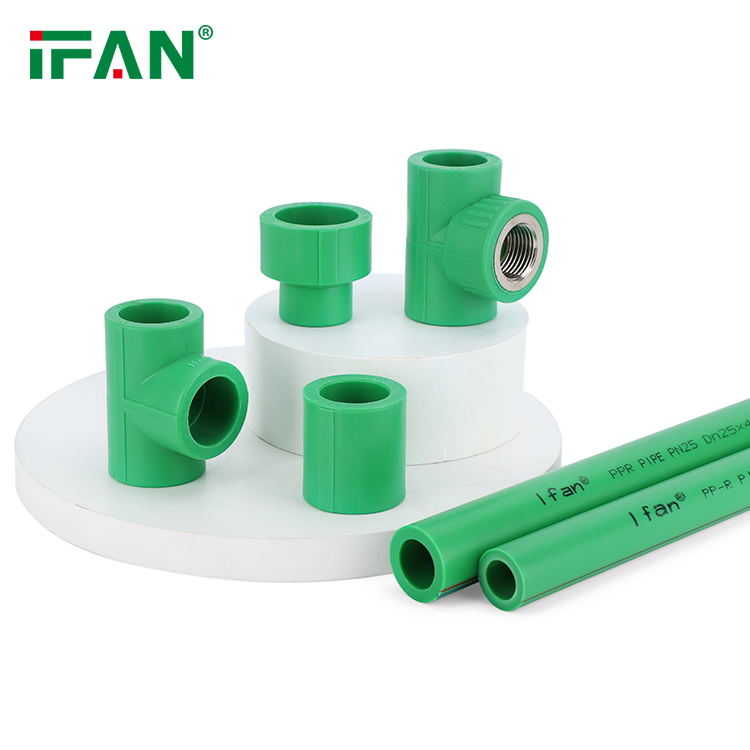
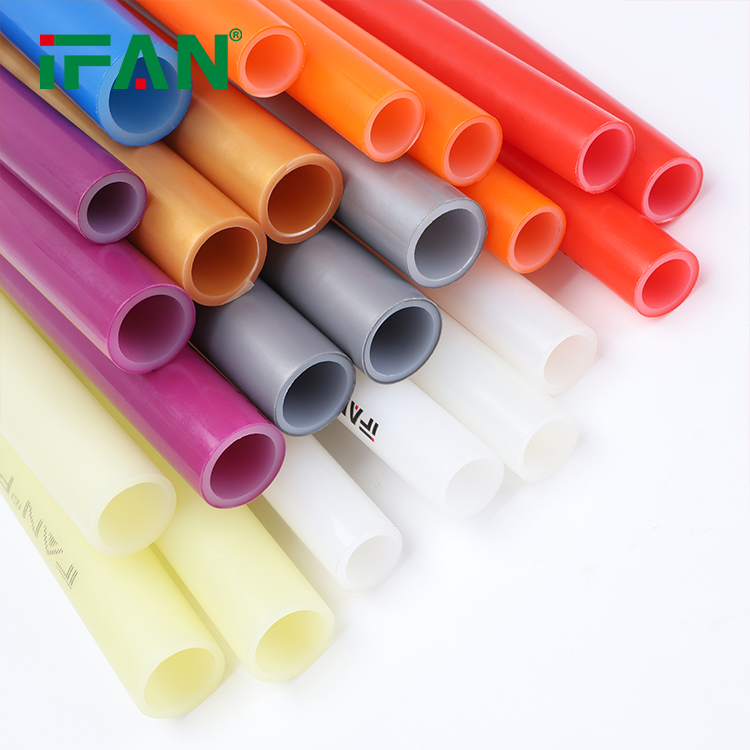
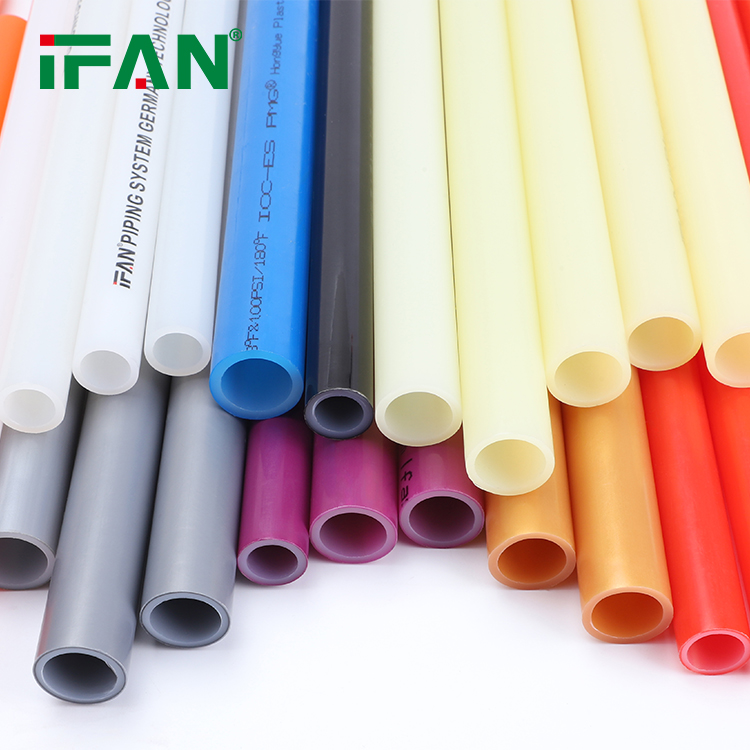
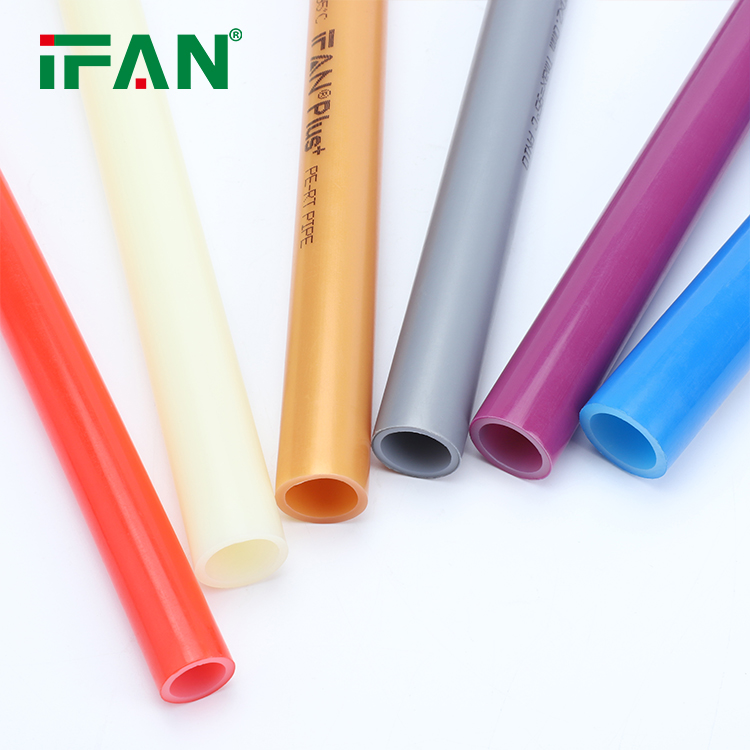
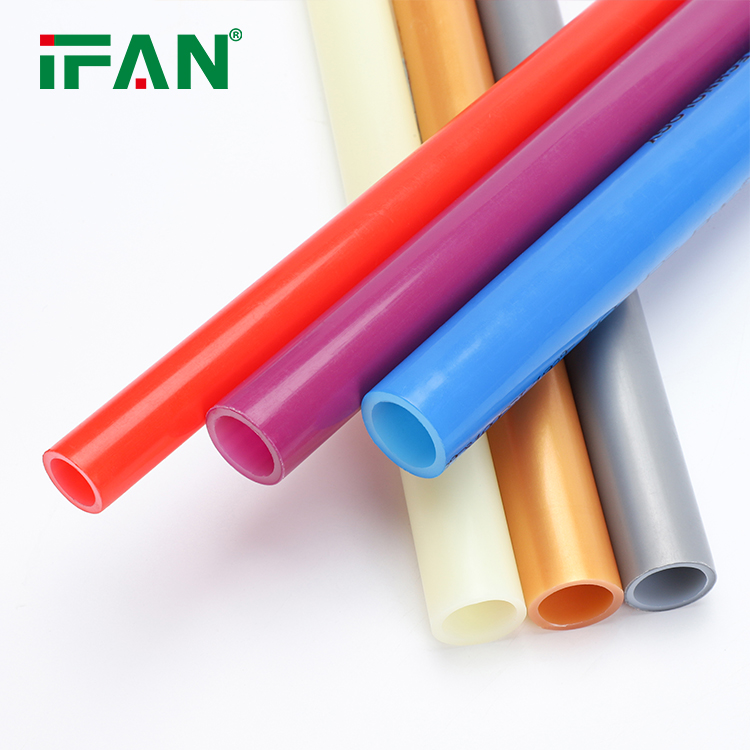
f you’re looking for a durable and reliable plumbing system that will withstand the test of time, then PPR fittings and pipes might be just what you need. Polypropylene-random (PPR) is a type of plastic that is widely used in plumbing, particularly in hot and cold water systems. Compared to traditional materials such as copper and galvanized iron, PPR is lightweight, corrosion-resistant, and has superior thermal and chemical resistance.
One of the biggest advantages of using PPR fittings and pipes is their ease of installation. With a little bit of training, even DIY enthusiasts can install PPR systems themselves. PPR pipes come in long lengths, which means there are fewer joints and fittings needed, reducing the chances of leaks and other plumbing issues. PPR fittings feature an innovative fusion welding process, which ensures a leak-proof and secure connection that won’t weaken over time.
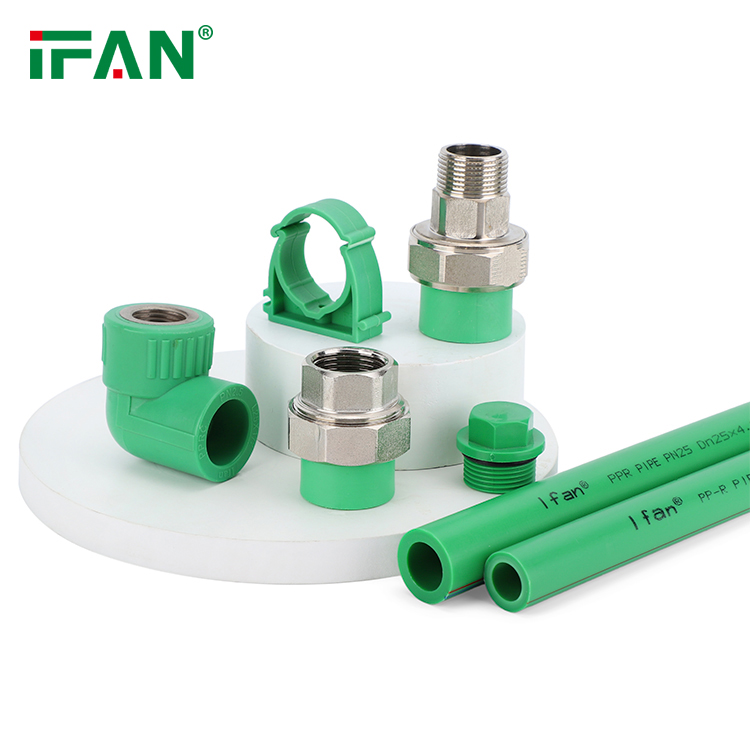
Another benefit of PPR fittings and pipes is their durability. With proper installation and maintenance, PPR systems can last for decades without needing replacement. They are resistant to bacteria growth, making them a hygienic choice for drinking water applications. PPR pipes can also withstand high-pressure applications, making them ideal for industrial and commercial settings.
PPR fittings and pipes are also eco-friendly. They are made from recyclable materials and require less energy to manufacture than metal pipes. PPR systems are also preferred in areas where water scarcity is a concern, as they have lower friction loss, which means less water is needed to maintain the same flow rate.
In summary, if you want to streamline your plumbing system, then PPR fittings and pipes are the way to go. They are durable, easy to install, and offer a range of benefits that traditional materials can’t match. Whether you’re a homeowner, business owner, or industrial user, PPR systems are a smart investment that will pay off in the long run.