Sustainable HDPE Fittings for Eco-Friendly Projects
Introduction:
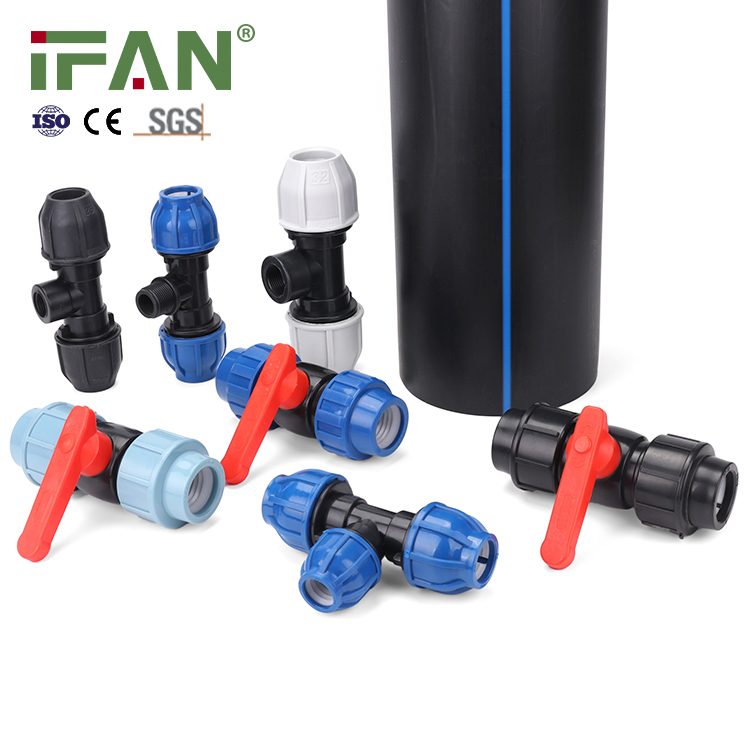
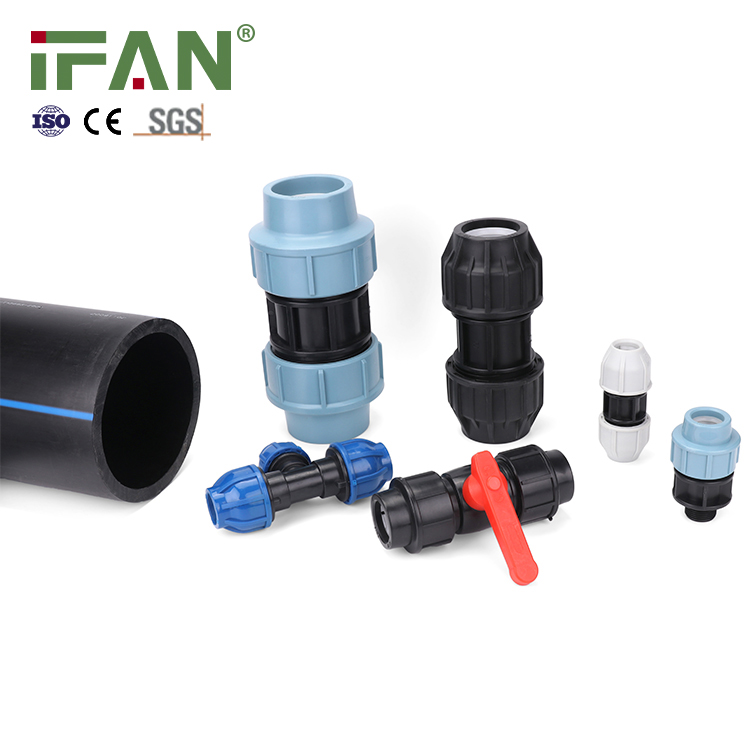
With increasing awareness of climate change and the repercussions it poses on our planet, the need to implement eco-friendly projects has become essential. Sustainable HDPE (High-Density Polyethylene) fittings are an efficient and practical solution that not only reduces the environmental footprint but also contributes to the overall efficiency and safety of the project.
Benefits of Sustainable HDPE Fittings:
- Durable and Longevity: HDPE fittings are known for their excellent strength and durability, making them perfect for installation in high-stress applications. Unlike traditional piping materials, HDPE fittings have a longer lifespan with the added advantage of being resistant to corrosion and abrasion. They are also resistant to weathering, chemicals, and UV radiation, ensuring that they remain structurally sound even in harsh environments.
- Lightweight and Easy to Install: HDPE fittings are lightweight, which makes them easy to handle and install. They are flexible, which means that they can be installed in various shapes and sizes, enabling them to fit seamlessly into different types of applications.
- Cost-Effective: HDPE fittings are cost-effective in the long run. Although the initial installation cost may be a bit higher compared to traditional piping materials, their low-maintenance cost and longer lifespan make them a more cost-effective option. This factor has contributed to the increasing demand for HDPE fittings in eco-friendly projects.
- Eco-friendly: HDPE fittings are eco-friendly as they are made from recyclable materials, and their production process has a low carbon footprint. They can also be reused or repurposed at the end of their lifespan, making them a sustainable choice. The lack of harmful chemicals used in HDPE production also means that they do not pose a risk to the environment or human health.
Applications:
HDPE fittings can be used for a range of applications due to their versatile nature. Some of the most common applications of HDPE fittings include:
- Water supply and distribution systems
- Gas distribution systems
- Waste management systems
- Agricultural systems
- Industrial applications
- Mining operations
Conclusion:
In conclusion, the use of sustainable HDPE fittings is a practical and efficient way to reduce the environmental footprint while contributing to the overall efficiency and safety of a project. The various benefits of HDPE fittings make them a popular choice in eco-friendly projects, and their versatility means that they can be used in various applications. With their long lifespan, low maintenance, and recyclable properties, HDPE fittings are a sustainable solution for modern eco-friendly projects.