Sustainable Plumbing Solutions with PPR Valve
Introduction
Plumbing is an essential aspect of building construction and maintenance that should not be overlooked. With the increasing global impact of climate change, it is crucial to adopt sustainable plumbing practices. Fortunately, there are several sustainable plumbing solutions available in the market, and PPR valve is one of them. In this article, we will explore the benefits and advantages of PPR valve as a sustainable plumbing solution.
What is PPR Valve?
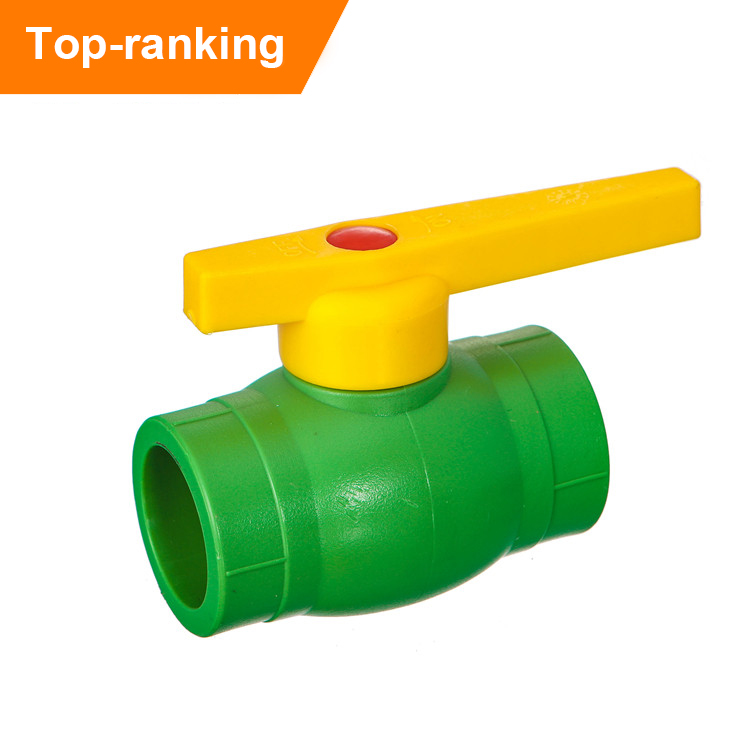
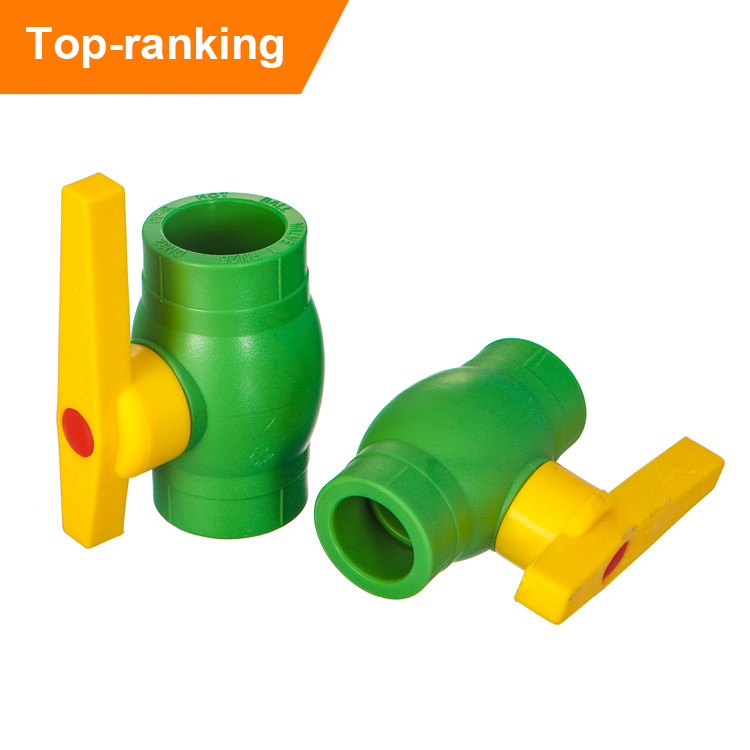
PPR is an acronym for Polypropylene Random Copolymer, which is a type of thermoplastic material used to manufacture piping systems. PPR valve, on the other hand, is a valve made of PPR material. The PPR valve is specially designed to control the flow of water in the plumbing systems, preventing wastage and promoting sustainability. It offers a cost-effective and reliable solution for modern-day plumbing needs.
Advantages of PPR Valve
- Corrosion Resistance
One of the major advantages of PPR valve is its resistance to corrosion. Unlike other materials like copper and galvanized steel, PPR valve is not susceptible to corrosion caused by water and chemicals. This makes it an ideal material for plumbing systems that carry corrosive fluids. - Durability
PPR valve is a highly durable material that can withstand extreme weather conditions. It has a longer lifespan compared to other materials, reducing the cost of maintenance in the long run. Additionally, PPR valve is resistant to wear and tear, making it suitable for high-pressure applications. - Heat Resistance
PPR valve is an excellent material for plumbing systems that require high-temperature resistance. It can withstand temperatures of up to 110 degrees Celsius, making it an ideal material for hot water supply systems. - Cost-Effective
Compared to other materials like copper and steel, PPR valve is a cheaper alternative. The installation cost of PPR valve is relatively low, and its durability means that it requires less maintenance than other materials, making it a cost-effective solution for plumbing systems. - Eco-Friendly
PPR valve is a sustainable and eco-friendly material that promotes water conservation. It does not contain harmful chemicals that can be harmful to the environment, making it a safe and green material for plumbing.
Conclusion
In conclusion, PPR valve is an excellent solution for sustainable plumbing. Its corrosion resistance, durability, heat resistance, cost-effectiveness, and eco-friendliness make it a perfect material for modern-day plumbing needs. As we focus on building sustainable and green communities, it is essential to prioritize sustainable plumbing practices, and PPR valve is an excellent place to start.