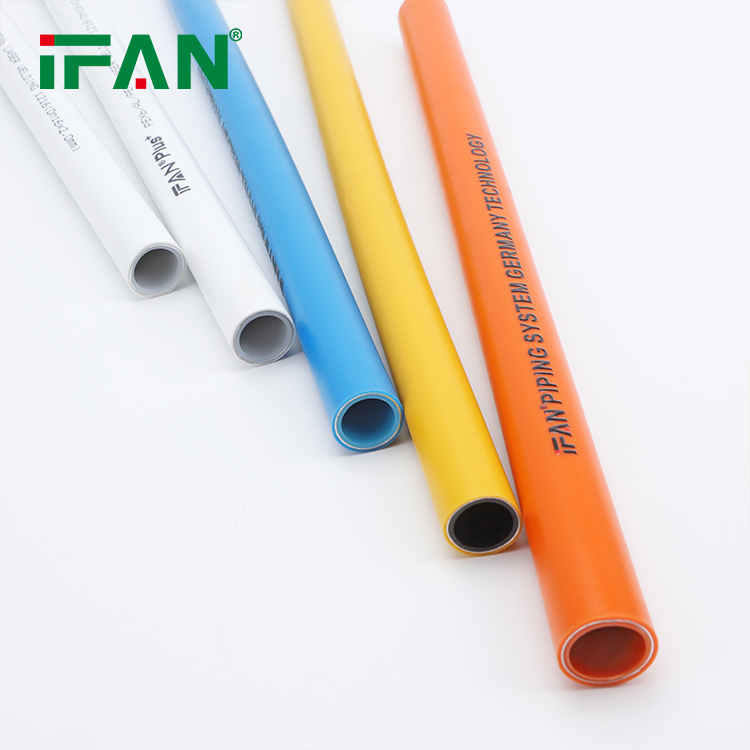
The Durability and Longevity of White PPR Fittings for Plumbing Applications
Introduction
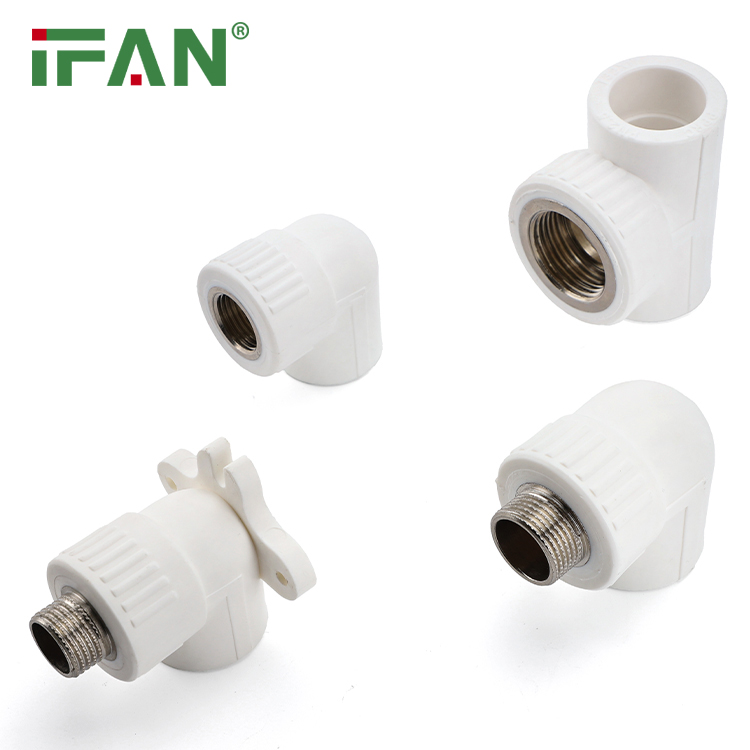
White PPR (polypropylene random copolymer) fittings have emerged as a reliable choice for plumbing applications due to their exceptional durability and longevity. These fittings are engineered to withstand the rigors of plumbing systems, offering numerous advantages over traditional materials. This article delves into the key features that make white PPR fittings an ideal solution for plumbing needs.
Material Composition
White PPR fittings are crafted from a high-quality thermoplastic polymer known for its robustness and chemical resistance. The unique composition of PPR, which includes random copolymerization, contributes to its ability to endure varying temperatures and pressures without compromising structural integrity. This material is also non-corrosive, ensuring a longer lifespan compared to metal alternatives.
Durability in Diverse Conditions
One of the primary reasons for the widespread adoption of white PPR fittings is their remarkable durability under diverse conditions. Whether exposed to harsh chemicals, extreme temperatures, or high-pressure water flow, PPR fittings maintain their strength and shape, making them suitable for both residential and commercial plumbing systems. This resilience translates to fewer repairs and replacements, resulting in cost savings and reduced maintenance efforts.
Resistance to Corrosion and Scaling
Unlike metal fittings, white PPR fittings are immune to corrosion and scaling, even in environments with aggressive water compositions. This resistance ensures consistent water quality and flow rates over time, preventing blockages and maintaining plumbing system efficiency. As a result, PPR fittings are particularly advantageous in areas with hard water, where mineral deposits can compromise the performance of traditional metal fittings.
Longevity and Environmental Impact
The longevity of white PPR fittings significantly reduces the environmental impact associated with plumbing infrastructure. By minimizing the need for frequent replacements, PPR fittings contribute to resource conservation and waste reduction. Furthermore, the recyclability of PPR material aligns with sustainable practices, making it an eco-friendly choice for plumbing installations.
Installation Versatility and System Compatibility
White PPR fittings are designed for ease of installation, offering compatibility with various piping systems and joining methods. Their lightweight nature simplifies handling, reducing labor costs during installation. Moreover, PPR’s adaptability to different plumbing configurations enhances its appeal for new construction projects and retrofitting existing systems.
Conclusion
In conclusion, the durability and longevity of white PPR fittings position them as an indispensable component within modern plumbing applications. Their resistance to corrosion, scaling, and environmental impact, coupled with easy installation and system compatibility, make them a compelling choice for long-term plumbing solutions. As the demand for reliable and sustainable plumbing materials continues to grow, white PPR fittings stand out as a resilient and future-ready option for diverse plumbing needs.