Introduction
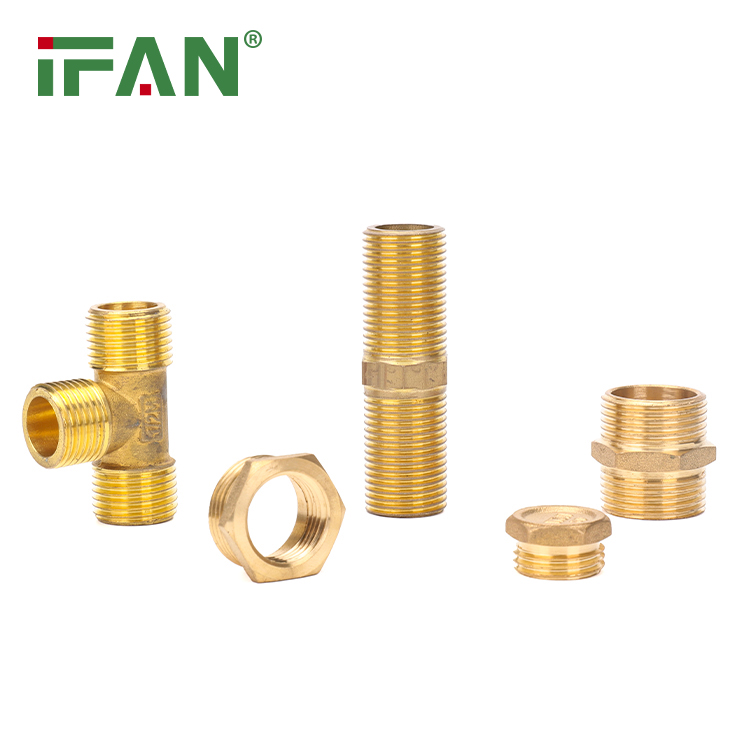
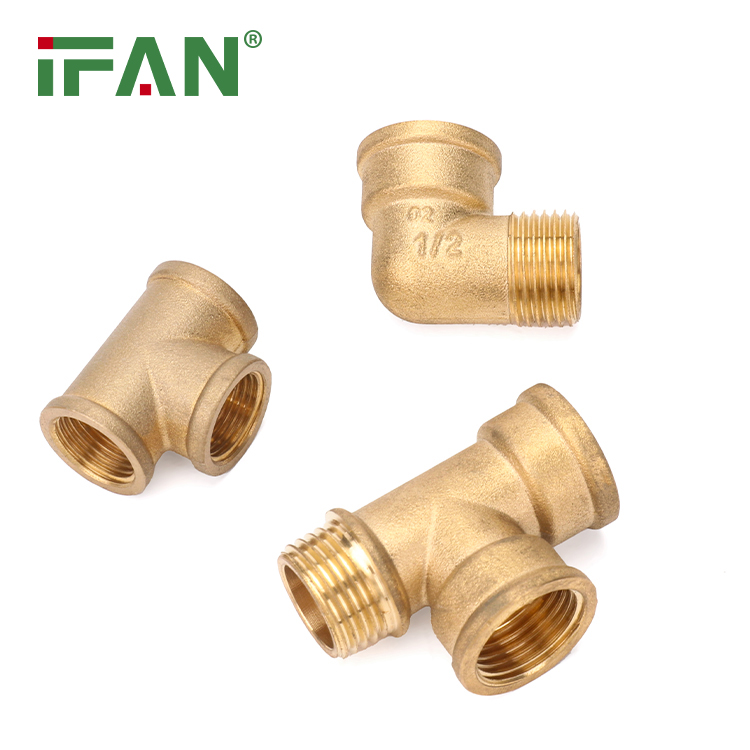
Brass fittings are widely used in various industries due to their excellent mechanical properties and corrosion resistance. However, have you ever wondered about the science behind brass fittings? In this article, we will delve into the fascinating world of brass fittings, exploring the materials, manufacturing processes, and properties that make them so reliable and versatile.
Composition of Brass
Brass is an alloy primarily composed of copper and zinc. The specific ratio of copper to zinc can vary, resulting in different types of brass with varying properties. The addition of other elements like lead or tin can further enhance specific characteristics of the alloy. The composition plays a crucial role in determining the strength, malleability, and corrosion resistance of brass fittings.
Manufacturing Processes
Casting
The process of manufacturing brass fittings often begins with casting. Molten brass is poured into molds, where it solidifies and takes the desired shape. This method allows for intricate designs and intricate fittings to be created.
Machining
After casting, the fittings undergo machining processes to refine their shape and dimensions. CNC machines are commonly used to accurately shape the fittings and achieve precise measurements. This step ensures that the fittings fit together seamlessly and securely.
Surface Treatment
To enhance the appearance and protect against corrosion, brass fittings undergo various surface treatments. Polishing can create a smooth and shiny finish, while plating with materials like chrome or nickel provides an additional layer of protection against oxidation and wear.
Properties of Brass Fittings
Strength and Durability
Brass fittings offer excellent strength and durability, allowing them to withstand high pressure and temperature conditions. The combination of copper and zinc provides the fittings with robust mechanical properties, making them suitable for a wide range of applications.
Corrosion Resistance
One of the key advantages of brass fittings is their exceptional resistance to corrosion. The presence of zinc in the alloy forms a protective layer on the surface, preventing the underlying copper from reacting with the environment. This resistance to corrosion ensures the long-term reliability of brass fittings, even in harsh conditions.
Malleability
Brass fittings are highly malleable, meaning they can be easily shaped and formed into complex designs without compromising their structural integrity. This property allows for the creation of intricate fittings that can adapt to various installation requirements.
Versatility
Due to their excellent mechanical properties and corrosion resistance, brass fittings find applications in various industries. They are commonly used in plumbing systems, automotive parts, electrical connectors, and hydraulic systems. The versatility of brass fittings makes them a preferred choice for many professionals.
Conclusion
The science behind brass fittings reveals the careful selection of materials, precise manufacturing processes, and unique properties that contribute to their reliability and versatility. Understanding the composition and manufacturing techniques allows us to appreciate the robustness and functionality of brass fittings, making them an essential component in countless applications.