Top Tips for Purchasing Brass Fittings
Whether you’re a plumber or DIY enthusiast, brass fittings are an essential component in many plumbing systems. They are durable, resistant to corrosion, and have a longer lifespan than several other materials. But with so many types and styles of brass fittings available on the market, choosing the right one can be a daunting task. In this article, we will provide you with the top tips for purchasing brass fittings.
- Determine Which Type of Fitting You Need
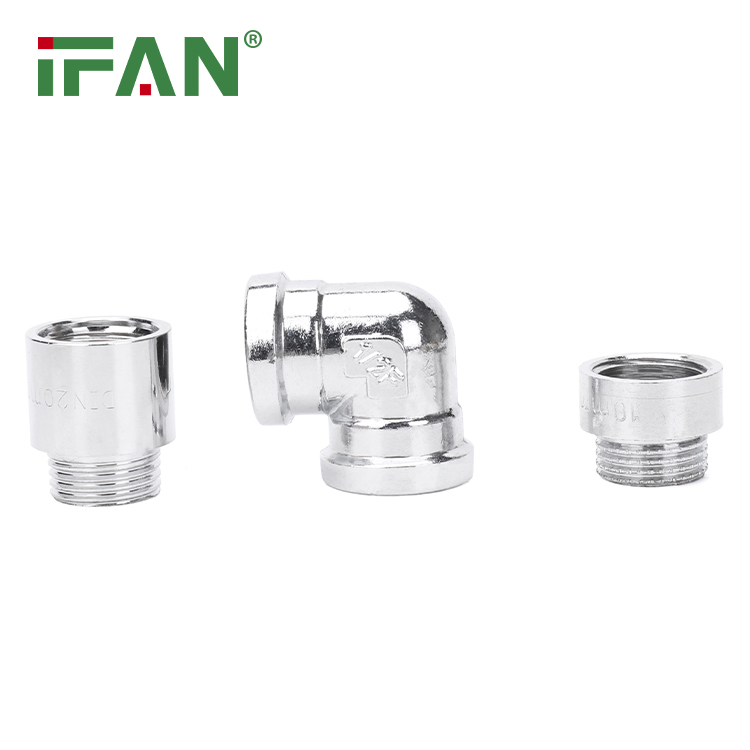
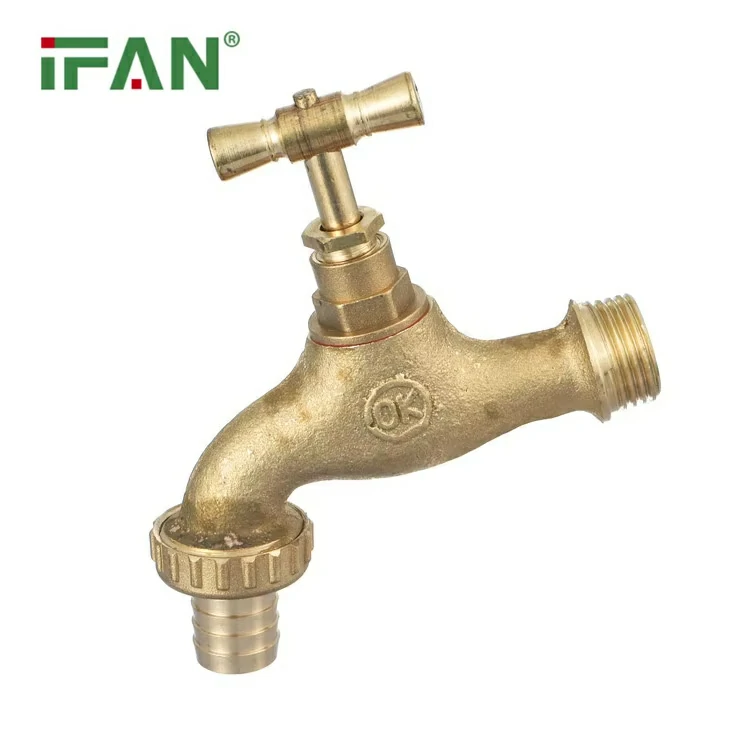
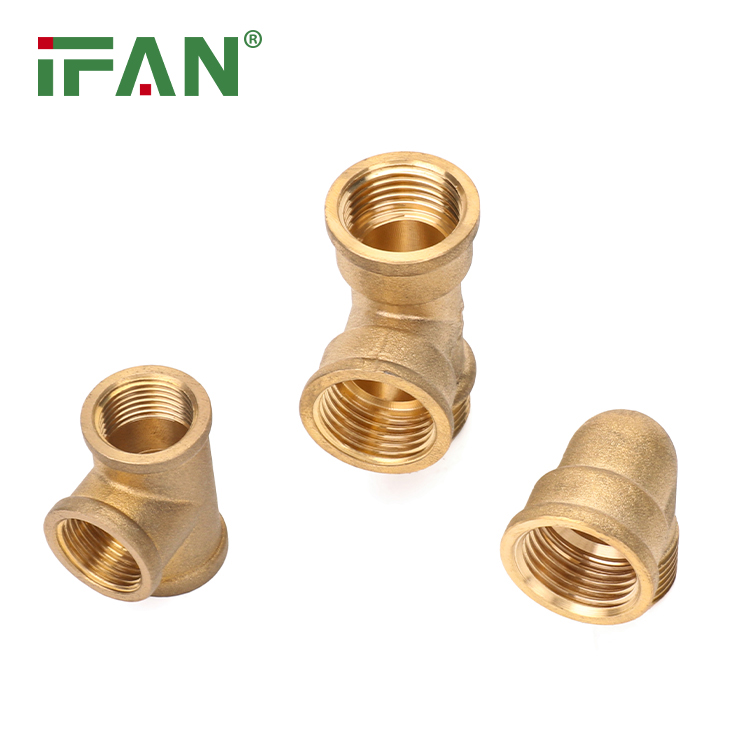
Brass fittings come in different types such as elbows, tees, cross, couplings, reducers, adapters, and valves. Before purchasing, determine which type of fitting you need for your project, and make sure you have the appropriate size and thread type.
Choose the Right Material
Brass fittings are often combined with other materials such as copper or plastic, so it is essential to choose the right material for the job. Consider the compatibility of the materials you will be using, and choose brass fittings that will not cause galvanic corrosion or damage the other materials in your plumbing system.
- Check for Quality
Quality is a crucial factor to consider when purchasing brass fittings. Ensure that you are getting a product that is made of high-quality brass with a thick wall that can handle high pressure and temperature. Check for any signs of defects or poor workmanship such as cracks, leaks, or rough surface finishes.
- Check for Certification
Make sure the brass fittings you are purchasing have certification from an independent third-party organization. Certification ensures that the fittings have been manufactured to meet industry standards and regulations, and have undergone rigorous testing to ensure safety and reliability.
- Consider Cost
Cost is an essential factor to consider when purchasing brass fittings. While cheaper options are available, it’s important to remember that quality often comes at a higher price. Choosing low-cost fittings can end up costing you more in the long run in repairs or replacement due to poor quality.
In conclusion, with these top tips, you can make the right purchase decisions when it comes to buying brass fittings for your plumbing system. Determine the type of fitting you need, choose the right material, check for quality and certification, and consider the cost. With these considerations in mind, you can ensure that you are getting the best value for your money and a plumbing system that works effectively and efficiently.