Introduction:
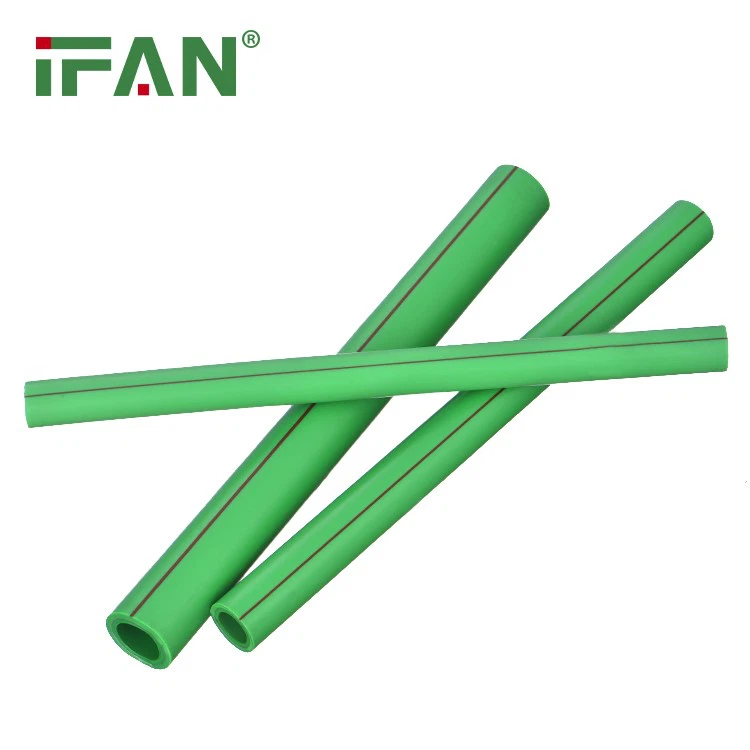
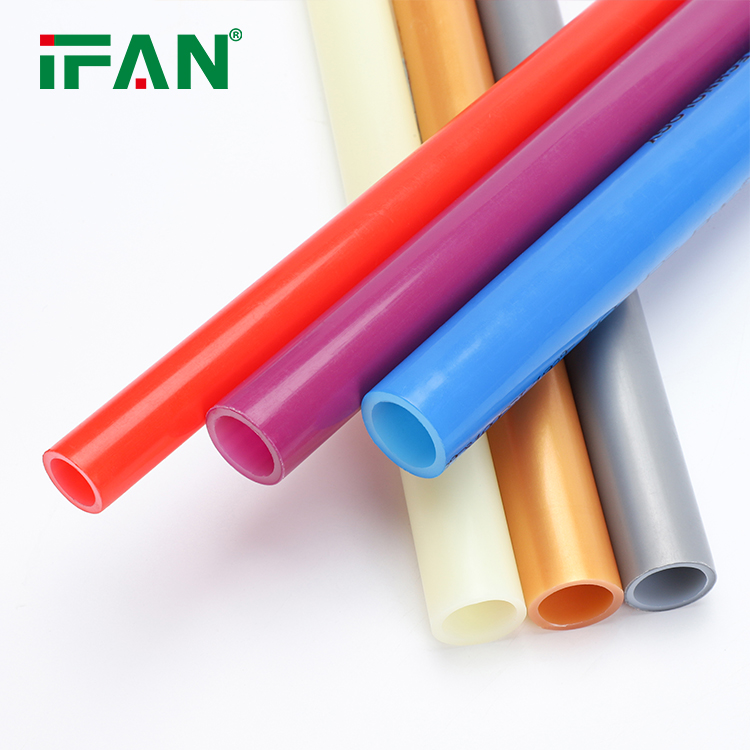
Polypropylene Random Copolymer (PPR) fittings are becoming increasingly popular for a variety of applications due to their excellent properties. When compared to pipes made of other materials, PPR fittings have multiple advantages.
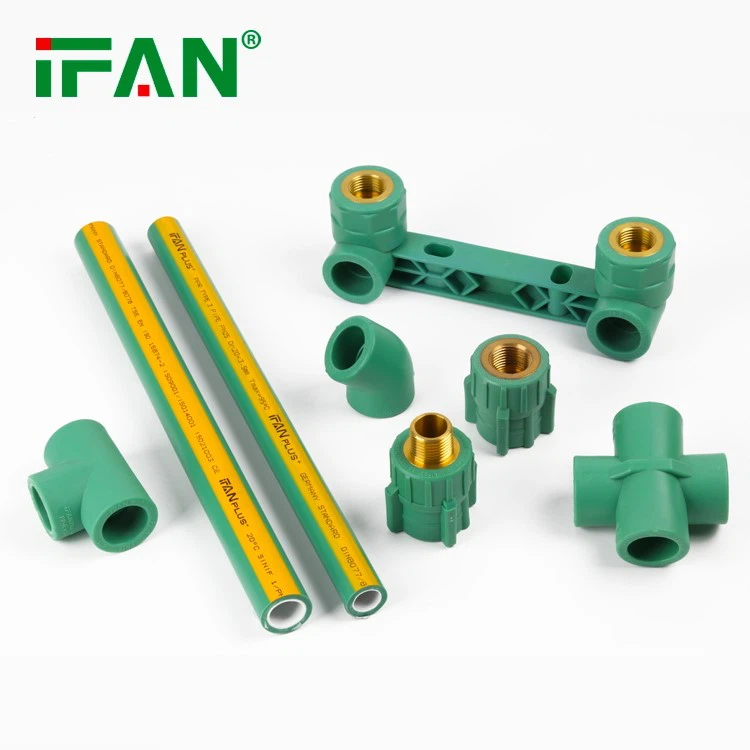
Advantages of PPR Fittings compared to pipes made of other materials
1. Durability
PPR fittings are highly durable and flexible. They are designed to withstand extreme temperatures and pressure conditions making them suitable for both hot and cold water applications. Unlike traditional piping materials, they don’t corrode or degrade even in the presence of chemicals, UV radiation, or acidic water.
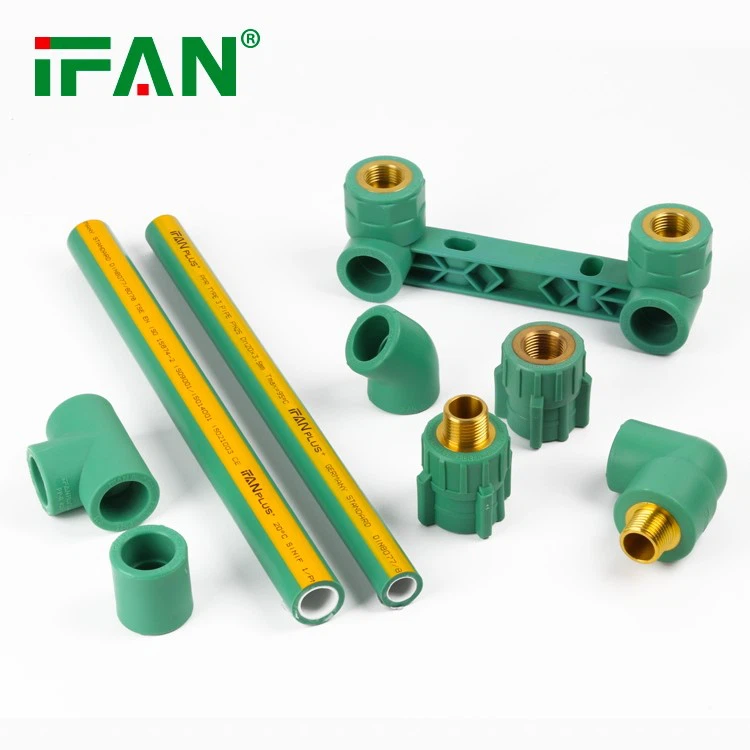
2. Longevity
PPR fittings are known for their extended lifespan. They are resistant to cracks and leaks, which reduces the need for frequent repairs or replacements. Longitudinal expansions do not occur in PPR pipes, which eliminates the possibility of pipe bursts. This long life helps to avoid costly replacements and inefficiencies.
3. Efficient Installation
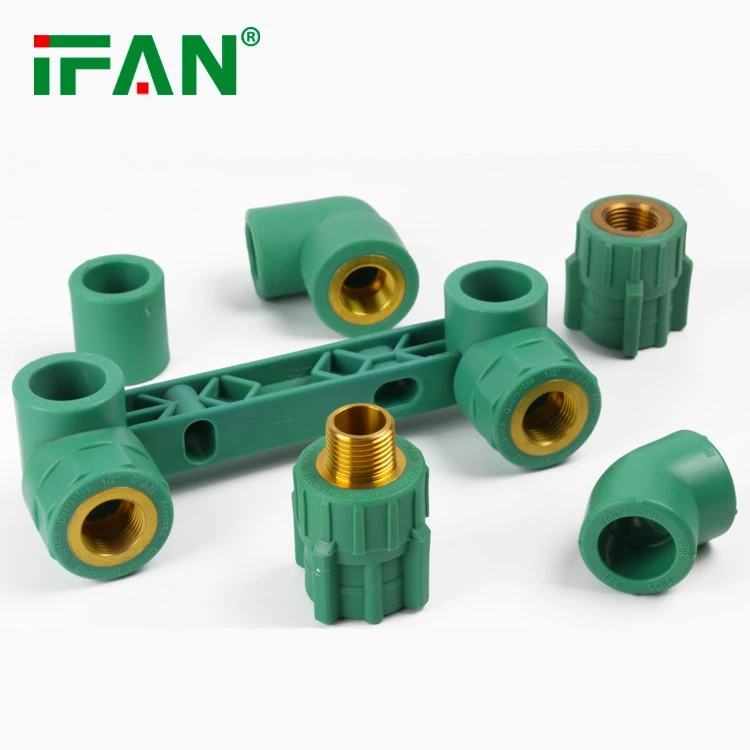
PPR fittings are designed with a simple socket fusion system, which makes them very easy and fast to install. They do not need to be welded or glued like other materials, which saves time and money on installation labor. Even complex and specialized installations can be completed with ease.
4. Cost-Effective
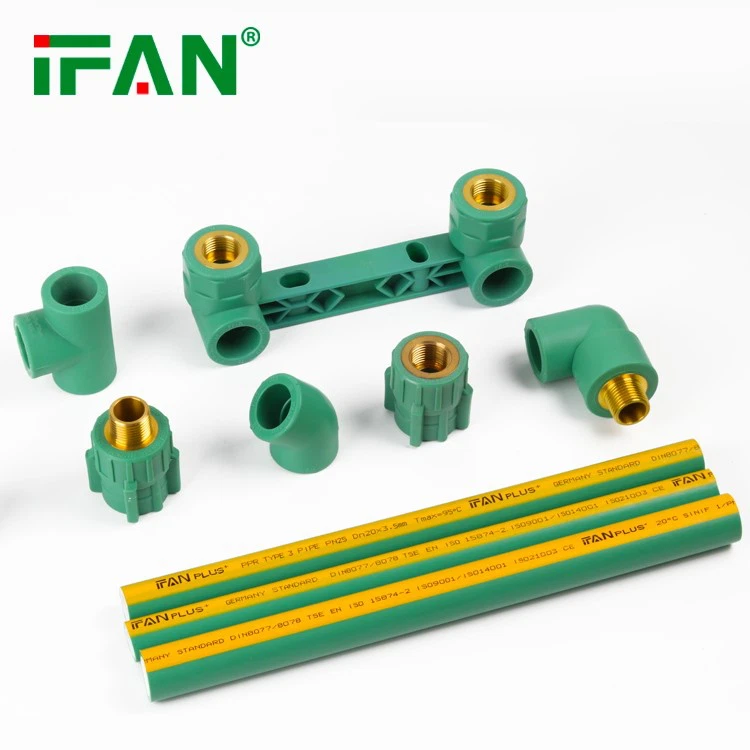
PPR fittings are more cost-effective than other piping materials in the long run because they require less maintenance, repairs, and replacements. The initial investment may be higher than other materials, but the cost savings over their lifespan make them an excellent option.
5. Environmentally Friendly
PPR fittings are recyclable and non-toxic. They do not release hazardous chemicals or heavy metals into the environment. PPR pipes are easy to recycle at the end of their lifespan and can be reused in other applications, which reduces waste and contributes to a cleaner environment.