Which is stronger CPVC or PVC?
When comparing CPVC (chlorinated polyvinyl chloride) and PVC (polyvinyl chloride) pipes, there are differences in their strength and performance characteristics. Here is a breakdown of their relative strength:
1. Pressure Rating: PVC pipes generally have a higher pressure rating than CPVC pipes. This means that PVC pipes can handle higher water pressures without experiencing failures or leaks.
2. Impact Strength: PVC pipes typically have higher impact strength compared to CPVC pipes. They are less likely to crack or break when subjected to physical stress or impact.
3. Temperature Resistance: CPVC pipes have higher temperature resistance than PVC pipes. CPVC can handle hot water at higher temperatures without significant degradation or loss of mechanical properties.
4. Flexibility: PVC pipes are more rigid and less flexible compared to CPVC pipes. CPVC pipes offer more flexibility, which can be advantageous in certain applications or when dealing with curved or irregular pipe routing.
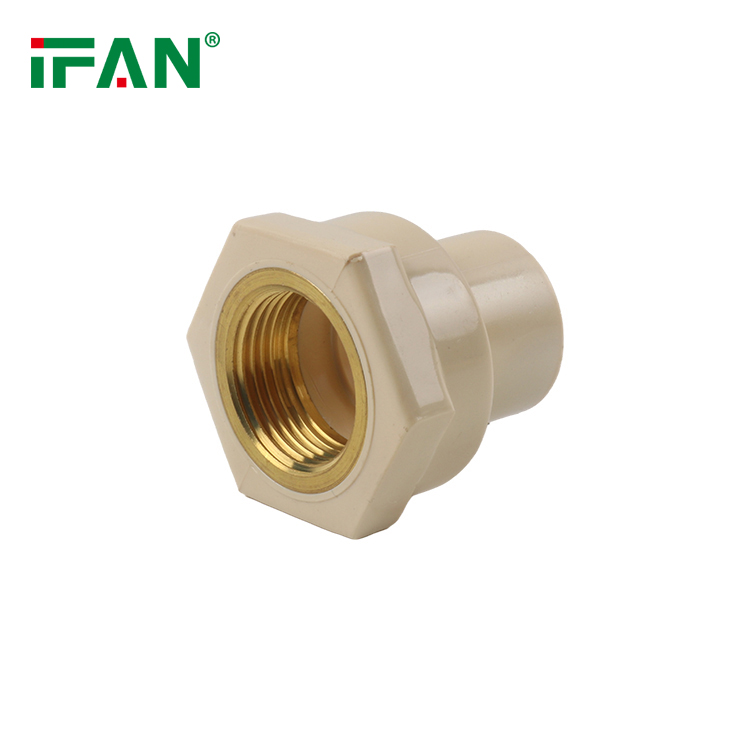
5. Chemical Resistance: CPVC pipes generally offer superior chemical resistance compared to PVC pipes. CPVC is more resistant to aggressive chemicals, solvents, and corrosive substances, making it suitable for a broader range of applications.
6. Corrosion Resistance: Both CPVC and PVC pipes are resistant to corrosion. However, CPVC pipes tend to exhibit better resistance to corrosion from the chemicals found in water, reducing the risk of degradation over time.
It is important to assess the specific requirements of your plumbing application when considering the strength of CPVC and PVC pipes. While PVC pipes may offer higher pressure rating and impact strength, CPVC pipes excel in temperature resistance, flexibility, chemical resistance, and corrosion resistance. Consulting with plumbing professionals or experts can provide valuable insights and help determine the most appropriate choice based on your specific needs and project requirements.