Introduction
As the construction industry in China continues to expand at an unprecedented rate, the demand for high-quality plumbing materials is on the rise. Among the various options available, Polypropylene Random Copolymer (PPR) pipes have gained significant popularity due to their durability, cost-effectiveness, and versatility. Recently, there has been a growing interest in the potential integration of copper with PPR pipes, leading to the question: will copper PPR pipes be widely used in China? This article explores the characteristics of PPR pipes, the advantages of combining them with copper, and the implications for the Chinese plumbing market.
Understanding PPR Pipes
What are PPR Pipes?
Polypropylene Random Copolymer (PPR) pipes are a type of thermoplastic piping system widely used in plumbing applications. Known for their lightweight nature, resistance to corrosion, and excellent thermal insulation properties, PPR pipes are ideal for transporting both hot and cold water. Their versatility makes them suitable for various applications, including residential, commercial, and industrial plumbing.
Benefits of PPR Pipes
- Durability: PPR pipes can last over 50 years with proper installation and maintenance, significantly reducing the need for replacements.
- Corrosion Resistance: Unlike metal pipes, PPR pipes do not rust or corrode, ensuring a safe and clean water supply.
- Ease of Installation: The lightweight nature of PPR pipes simplifies the installation process, reducing labor costs and installation time.
- Thermal Insulation: PPR pipes have excellent thermal insulation properties, minimizing heat loss in hot water systems and preventing condensation in cold water systems.
- Cost-Effectiveness: While the initial investment may be higher than some alternatives, the long-term savings in maintenance and replacement costs make PPR pipes a wise choice for plumbing systems.
The Rise of Copper PPR Pipes
What are Copper PPR Pipes?
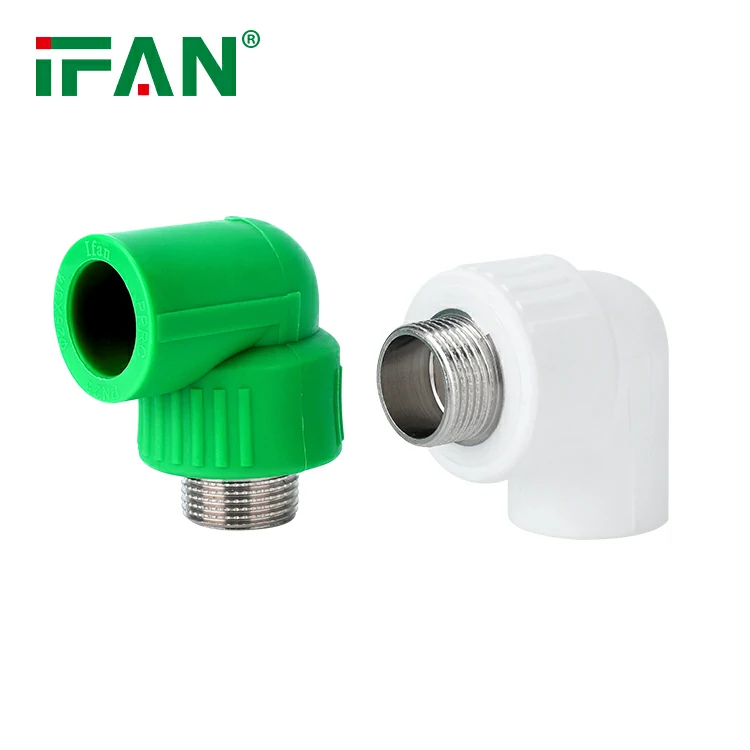
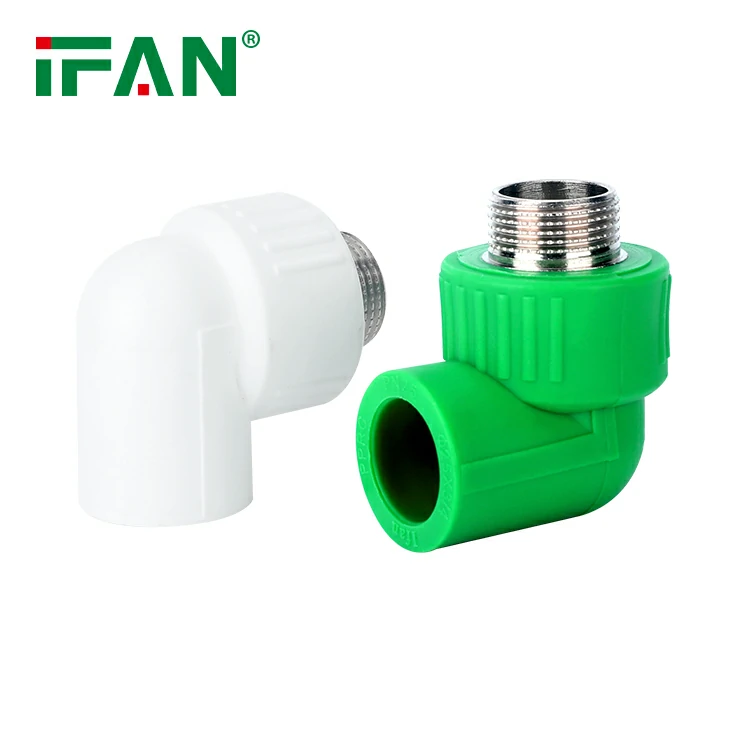
Copper PPR pipes are a hybrid plumbing solution that combines the benefits of traditional copper piping with the advantages of PPR pipes. This combination aims to leverage the best features of both materials, offering enhanced performance for plumbing systems.
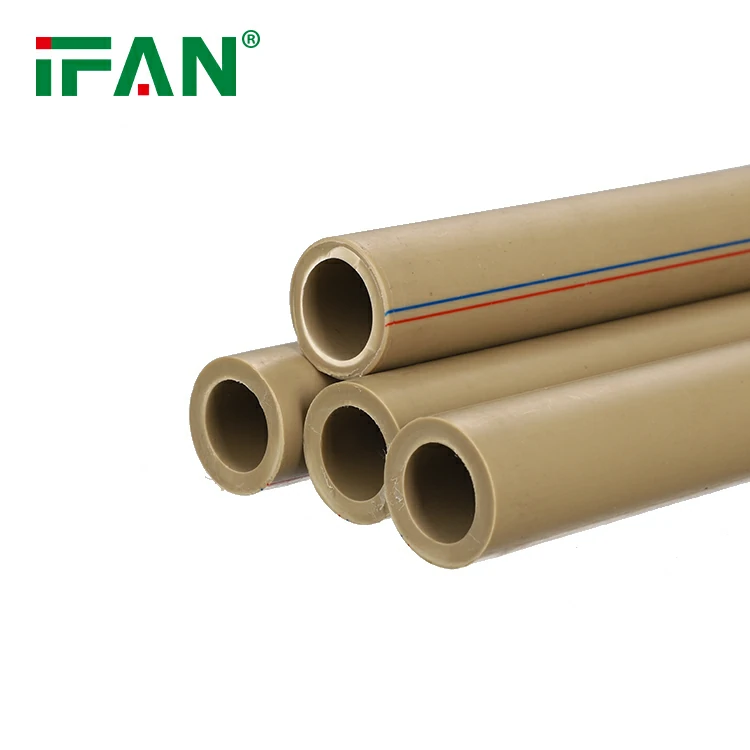
Advantages of Copper PPR Pipes
- Enhanced Strength: The inclusion of copper in PPR pipes can increase their overall strength and durability, making them suitable for high-pressure applications.
- Improved Thermal Conductivity: Copper has excellent thermal conductivity, which can enhance the efficiency of hot water systems when combined with PPR.
- Antimicrobial Properties: Copper is known for its natural antimicrobial properties, which can help maintain water quality and reduce the risk of bacterial growth in plumbing systems.
- Reduced Risk of Leakage: The combination of copper and PPR can provide more secure joints, reducing the risk of leaks in plumbing installations.
Current Trends in the Chinese Plumbing Market
Growing Demand for PPR Pipes
In recent years, the demand for PPR pipes in China has surged due to their numerous advantages. The construction industry is increasingly leaning towards materials that offer longevity, cost savings, and ease of installation. PPR pipes have emerged as a popular choice among contractors and homeowners alike.
The Role of Copper in Plumbing
Copper has traditionally been a staple in plumbing systems due to its durability and resistance to corrosion. However, it is also more expensive than PPR pipes, which has limited its widespread use in residential applications. The introduction of copper PPR pipes could provide a solution that combines the affordability of PPR with the benefits of copper, potentially appealing to a broader market.
Challenges to Widespread Adoption
Cost Considerations
One of the primary challenges to the widespread adoption of copper PPR pipes in China is cost. While the combination of materials offers enhanced performance, the initial investment may be higher than traditional PPR pipes. This could deter some consumers, particularly in price-sensitive markets.
Market Awareness and Education
For copper PPR pipes to gain traction, there needs to be increased awareness and education about their benefits. Many contractors and homeowners may be unfamiliar with this hybrid solution, leading to hesitance in adoption. Manufacturers and industry stakeholders must work to promote the advantages of copper PPR pipes through marketing and educational initiatives.
Competition from Alternative Materials
The plumbing market in China is highly competitive, with various materials vying for attention. Alternatives such as PVC, CPVC, and traditional copper pipes may pose challenges to the acceptance of copper PPR pipes. The unique advantages of copper PPR must be clearly communicated to differentiate them from these alternatives.
Future Prospects for Copper PPR Pipes in China
Increasing Focus on Sustainability
As environmental concerns continue to rise, there is a growing emphasis on sustainable building materials. Copper is a recyclable material, and the incorporation of copper into PPR pipes aligns with the principles of sustainability. This could enhance the appeal of copper PPR pipes to environmentally conscious consumers and builders.
Potential for Innovation
The plumbing industry is continually evolving, with new technologies and materials emerging. Manufacturers may explore innovative designs and applications for copper PPR pipes, enhancing their performance and expanding their usability in various plumbing systems.
Government Regulations and Standards
Government regulations and standards play a crucial role in shaping the plumbing market. If copper PPR pipes can meet or exceed regulatory requirements, they may gain acceptance and support from government initiatives aimed at improving water quality and plumbing infrastructure.
Conclusion
The potential for copper PPR pipes to be widely used in China is promising, given the growing demand for innovative and durable plumbing solutions. While challenges such as cost and market awareness exist, the unique advantages of this hybrid material could position it as a valuable option in the plumbing industry. As the market evolves and awareness increases, copper PPR pipes may find their place alongside traditional PPR and copper systems, contributing to a more efficient and sustainable plumbing landscape in China.
FAQs
1. What are the main benefits of using PPR pipes?
PPR pipes offer durability, corrosion resistance, ease of installation, excellent thermal insulation, and cost-effectiveness.
2. How do copper PPR pipes enhance plumbing systems?
Copper PPR pipes combine the strength and antimicrobial properties of copper with the lightweight and corrosion-resistant features of PPR, improving overall performance.
3. Are copper PPR pipes more expensive than traditional PPR pipes?
Yes, copper PPR pipes may have a higher initial cost compared to traditional PPR pipes, but they offer enhanced durability and efficiency.
4. What applications are suitable for copper PPR pipes?
Copper PPR pipes can be used in various applications, including residential plumbing, commercial installations, and hot water systems.
5. How can consumers learn more about copper PPR pipes?
Consumers can learn more about copper PPR pipes through manufacturer websites, industry publications, and educational seminars hosted by plumbing professionals.