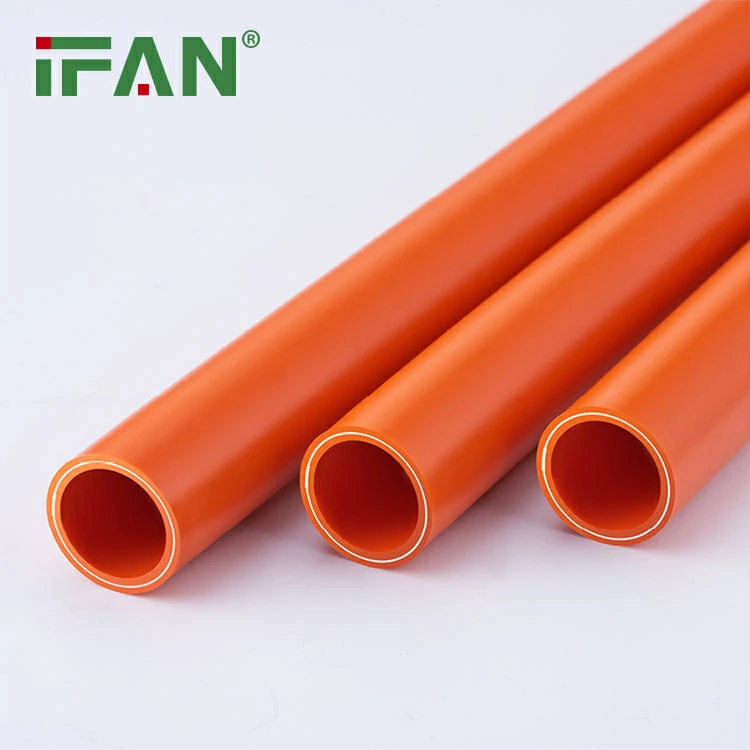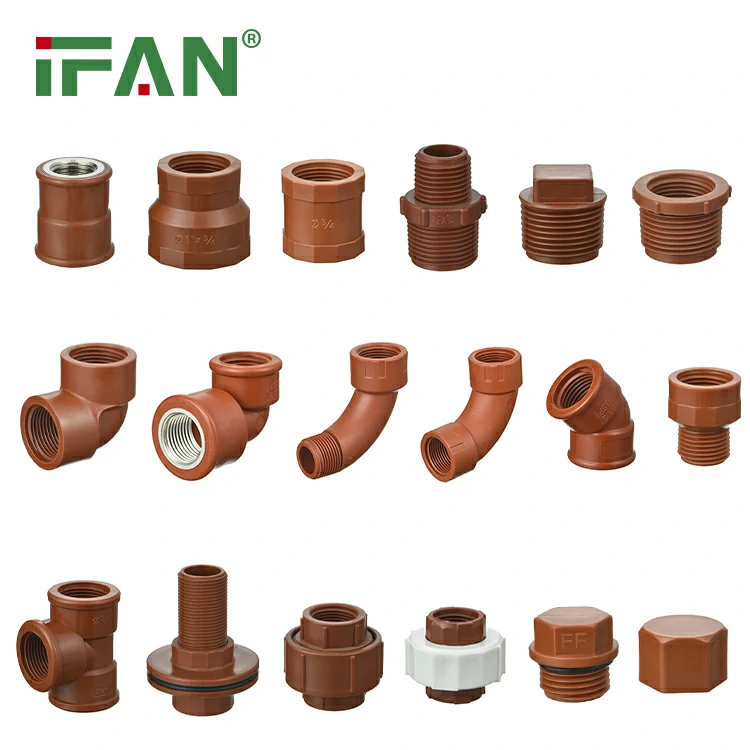
I. Overview of PPH Fittings
PPH fittings, or Polypropylene Homopolymer fittings, represent an advanced class of piping components crafted from modified polypropylene resin. Distinguished by their Beta-crystalline structure, these fittings exhibit remarkable resistance to chemicals, heat, and stress, making them a preferred choice for diverse industrial applications. PPH fittings seamlessly integrate into piping systems, ensuring the smooth flow of fluids and gases under harsh conditions.
II. Key Performance Characteristics of PPH Fittings
- Superior Chemical Resistance: Among all polypropylene materials, PPH fittings stand out for their exceptional ability to withstand a broad range of acids, bases, and solvents. This feature ensures long-term durability and reliability in aggressive chemical environments.
- High Temperature Tolerance: With an operating temperature range spanning from -20°C to +110°C, PPH fittings can withstand even the hottest process fluids, ensuring uninterrupted service in high-temperature applications.
- Strength and Durability: The homogeneous Beta-crystalline structure of PPH imparts exceptional mechanical strength and stiffness, enabling these fittings to withstand high pressures and resist deformation over time.
- Lightweight and Easy to Install: Despite their robust nature, PPH fittings are lightweight, facilitating ease of transportation, handling, and installation. This simplifies the overall piping process and reduces installation costs.
- Environmentally Friendly: PPH fittings are manufactured from non-toxic, recyclable materials, making them an environmentally responsible choice for modern piping systems.
III. Installation and Application Scenarios
PPH fittings are typically installed using thermal fusion methods, such as butt welding or socket fusion, which create leak-proof joints. They find widespread application in chemical processing plants, pharmaceutical manufacturing, electronics facilities, and wastewater treatment systems, where their chemical resistance and durability are paramount.
IV. Advantages Over Alternative Materials
Compared to other piping materials, PPH fittings offer several key advantages. Their superior chemical resistance reduces the risk of leaks and failures in harsh environments. The high temperature tolerance allows for use in processes with elevated temperatures. Additionally, the lightweight nature and ease of installation contribute to cost savings and faster project completion times.
V. Future Prospects for PPH Fittings
The global demand for PPH fittings is expected to grow steadily as industries continue to prioritize durable, cost-effective, and environmentally friendly piping solutions. Advances in material science and manufacturing techniques will further enhance the performance and versatility of PPH fittings, opening up new application areas. As industries become more focused on sustainability, PPH fittings, with their recyclable nature and low environmental impact, will play an increasingly important role in the future of piping systems.