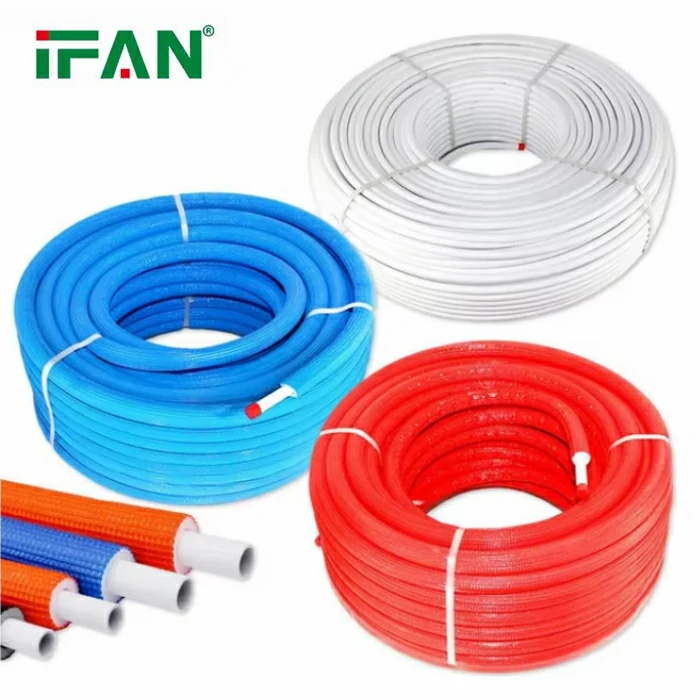
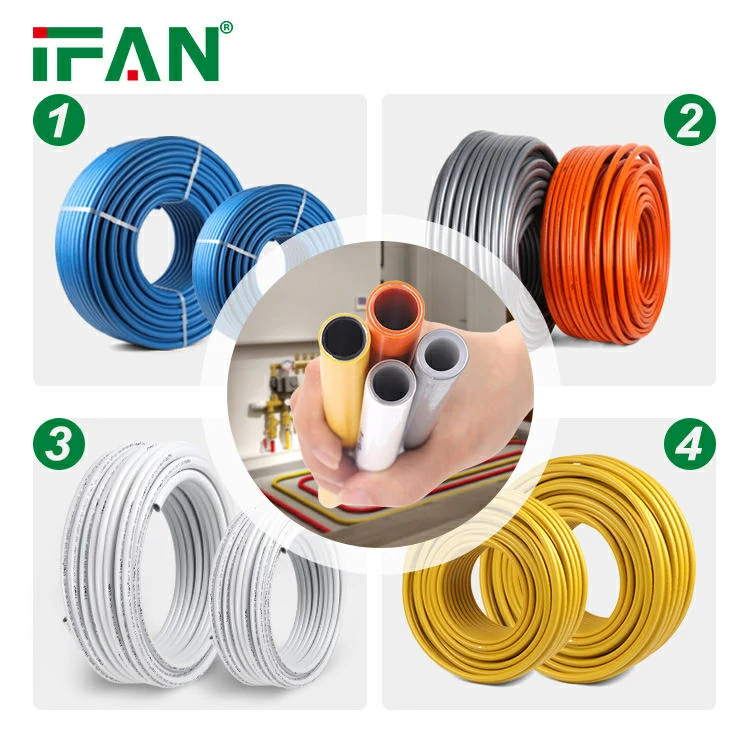
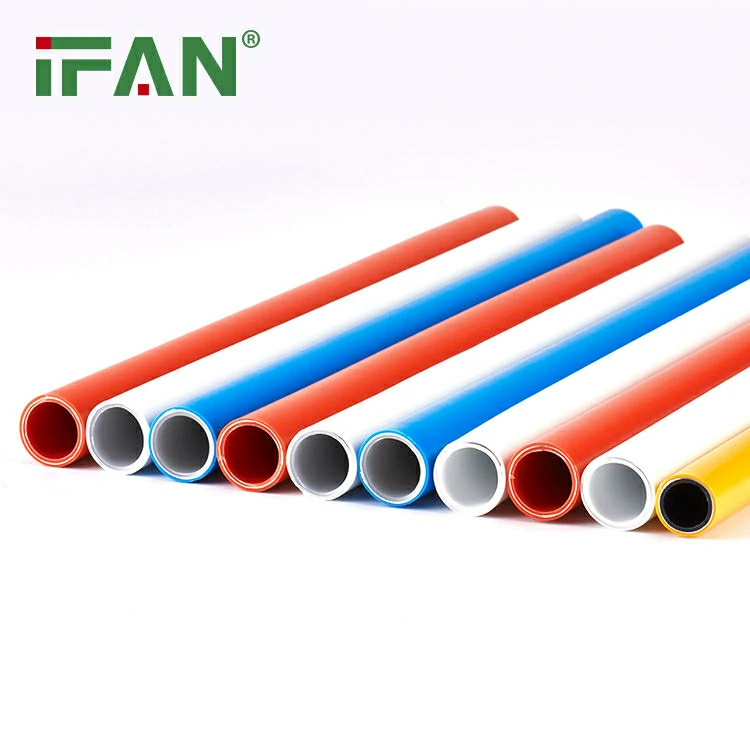
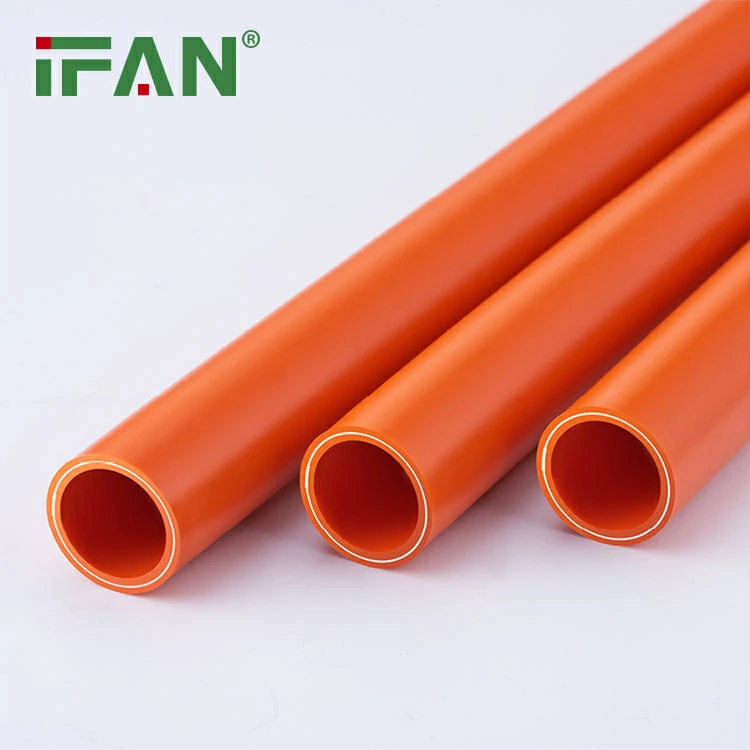
HVAC water systems need reliable piping to maintain stable heating and cooling performance. The pipe must handle pressure, temperature changes, and long operating periods. For many modern installations, a multilayer aluminum pipe offers a practical solution.
A multilayer aluminum pipe combines different materials into one reinforced structure. It usually includes plastic layers and a thin aluminum layer. This design provides flexibility while adding strength and dimensional stability. As a result, it can work well in residential, commercial, and industrial HVAC applications.
What Is a Multilayer Aluminum Pipe?
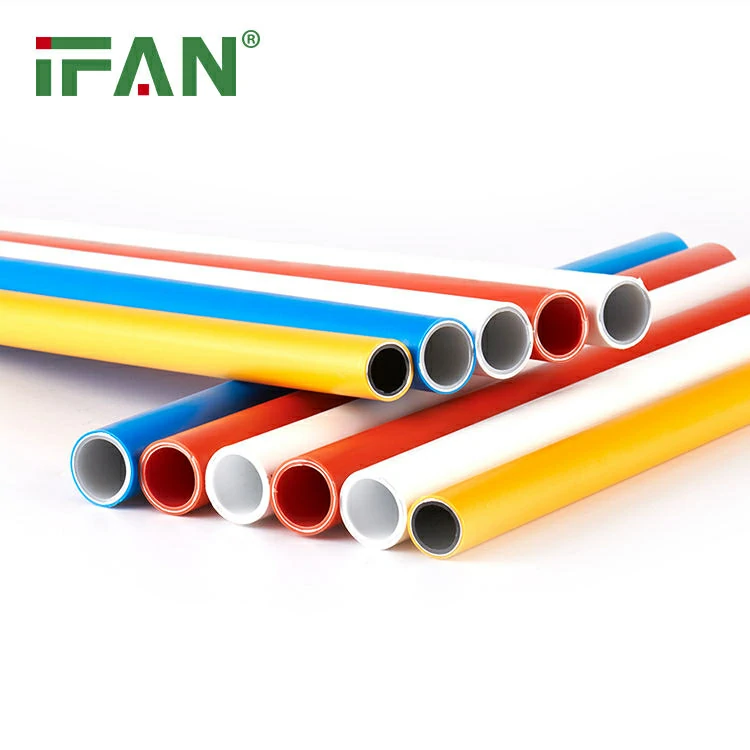
A multilayer aluminum pipe is a composite pipe made from several bonded layers. The aluminum layer sits between polymer layers. Depending on the product design, the plastic material may include PEX, PE-RT, or another suitable polymer.
The aluminum layer gives the pipe additional mechanical strength. It also helps reduce thermal expansion compared with many conventional plastic pipes. This feature is useful in heating and cooling systems where water temperature changes frequently.
The inner polymer layer provides a smooth surface for water flow. It also separates the transported water from the aluminum layer. The outer layer protects the pipe from the surrounding environment.
This combination creates a balanced structure. The pipe remains relatively lightweight while offering useful strength and flexibility.
Why Use Multilayer Aluminum Pipe in HVAC Systems?
HVAC water systems often operate under changing conditions. Water temperature can rise and fall throughout the day. Pressure can also vary depending on system design and pump operation.
A multilayer aluminum pipe is designed to handle these conditions efficiently. Its aluminum core improves dimensional stability during temperature changes. This can help reduce movement and expansion along long pipe runs.
The pipe is also easier to handle than many rigid metal alternatives. Installers can bend it during installation, depending on the pipe specification and approved bending radius. Fewer connection points may be needed in some layouts.
This can simplify installation and reduce the potential number of leakage points.
Multilayer Aluminum Pipe for Heating Systems
Heating systems require piping that can transport warm water reliably. Common applications include radiator circuits, hydronic heating, and other water-based heating systems.
The aluminum layer provides additional stability when the pipe is exposed to elevated temperatures. The polymer construction also helps reduce corrosion-related concerns that may occur with conventional metal piping.
For underfloor heating, the pipe can be routed through carefully planned circuits. Its flexibility can make installation easier around corners and obstacles.
However, the pipe must always match the temperature, pressure, and connection requirements of the heating system.
Multilayer Aluminum Pipe for Cooling Systems
Cooling systems also require dependable water distribution. Chilled water may circulate continuously through air conditioning equipment and terminal units.
A multilayer aluminum pipe can be used in suitable chilled-water applications when its specifications match the system requirements. Its smooth internal surface supports efficient water movement.
The multilayer construction can also provide useful dimensional stability. This is important when pipes are installed over longer distances or in areas with changing ambient conditions.
For commercial buildings, correct insulation is equally important. Proper insulation helps reduce condensation and energy loss around chilled-water pipes.
Key Advantages of Multilayer Aluminum Pipe
One major advantage is the combination of flexibility and strength. The pipe can be easier to install than rigid metal pipe while maintaining good structural stability.
Another advantage is low thermal expansion. The aluminum layer can limit the amount of movement caused by temperature changes. This may simplify pipe support and routing.
The smooth inner surface can also help maintain efficient water flow. It reduces the need for complex internal maintenance in normal operating conditions.
Multilayer aluminum pipe is also lightweight. This can reduce handling effort during transportation and installation.
Depending on the material structure, it can offer good resistance to corrosion and scaling. This makes it suitable for many modern HVAC water distribution systems.
Installation Considerations
Correct installation is essential for long-term performance. The pipe should be selected according to the system pressure and operating temperature.
Installers should follow the manufacturer’s bending radius requirements. Excessive bending can damage the pipe structure or reduce connection reliability.
Suitable fittings should also be used. Press fittings, compression fittings, or other connection systems must match the pipe specification.
Pipe supports should be installed at suitable intervals. The spacing depends on pipe diameter, temperature, installation direction, and local standards.
For chilled-water systems, insulation should be installed correctly. Poor insulation can cause condensation and reduce the efficiency of the HVAC system.
Multilayer Aluminum Pipe vs. Traditional Metal Pipe
Traditional copper and steel pipes have been widely used in HVAC systems. However, they can be heavier and more difficult to install in complex layouts.
Multilayer aluminum pipe provides a different approach. It combines a metal layer with modern polymer materials. This reduces overall weight while retaining useful mechanical stability.
The installation process can also be faster in suitable projects. Fewer joints may be required when the pipe can be bent into longer continuous sections.
The best choice depends on the application. Engineers should consider pressure, temperature, chemical compatibility, local regulations, installation methods, and project cost before selecting a pipe.
Applications in Modern HVAC Projects
Multilayer aluminum pipe can serve various water-based HVAC applications. These include residential heating systems, commercial buildings, hotels, offices, and other construction projects.
It can also be considered for radiator systems and hydronic heating circuits. Some suitable products may support cooling water distribution and other low-temperature HVAC applications.
For large projects, pipe selection should be based on complete system calculations. Diameter, flow rate, pressure loss, temperature, and connection methods all affect system performance.
Choosing the correct pipe specification is more important than simply selecting the lowest purchase price.
How to Choose a Multilayer Aluminum Pipe
Start by checking the operating temperature and pressure. These values should remain within the manufacturer’s rated limits.
Next, check the pipe structure. Different multilayer pipes use different polymer materials and aluminum layer thicknesses. These differences affect flexibility, durability, and application range.
Pipe diameter is another important factor. It should match the required flow rate and system design.
Connection compatibility should also be confirmed before purchasing. Using matching fittings can help improve installation reliability.
For export projects, buyers should also check applicable standards and certifications. Documentation can make product approval and project management easier.
Why Choose IFAN Multilayer Aluminum Pipe?
IFAN provides professional piping solutions for plumbing and HVAC applications. With extensive manufacturing experience, IFAN focuses on consistent product quality and practical installation performance.
The company can provide different pipe specifications and matching fittings for various project requirements. Customization options can also support distributors, contractors, and project buyers with specific requirements.
For buyers looking for a reliable multilayer aluminum pipe supplier, IFAN can provide factory-direct solutions for different markets. Product selection, fitting compatibility, and project requirements can be discussed before placing an order.
Conclusion
Multilayer aluminum pipe combines the advantages of polymer materials and aluminum reinforcement. Its lightweight structure, flexibility, dimensional stability, and corrosion resistance make it useful for many HVAC water systems.
It can support heating and cooling applications when the pipe specification matches the system conditions. Proper installation, suitable fittings, insulation, and correct sizing remain essential for reliable performance.
For wholesalers, distributors, contractors, and HVAC project buyers, selecting a suitable manufacturer is an important part of the purchasing process. IFAN offers multilayer aluminum pipe and related plumbing solutions with factory manufacturing capabilities and customization support.
If you are sourcing multilayer aluminum pipe for HVAC water systems, IFAN can provide product specifications, factory pricing, and samples for evaluation.