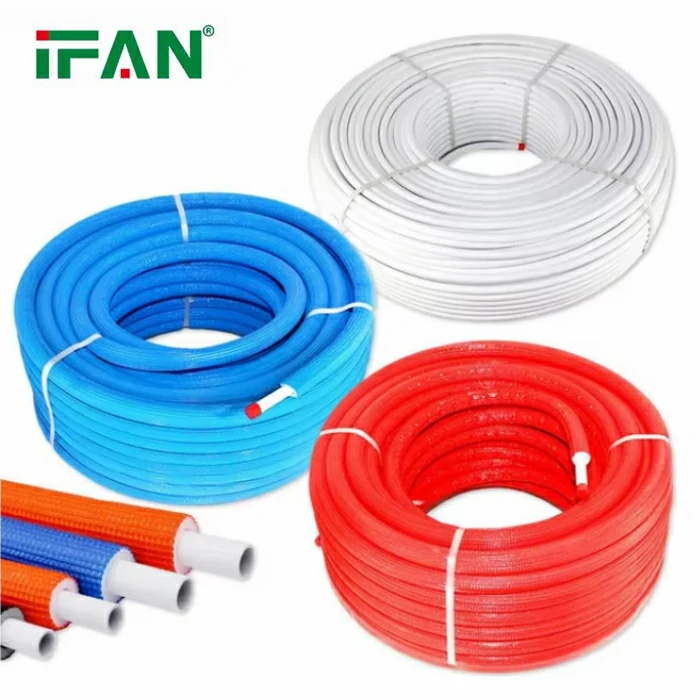
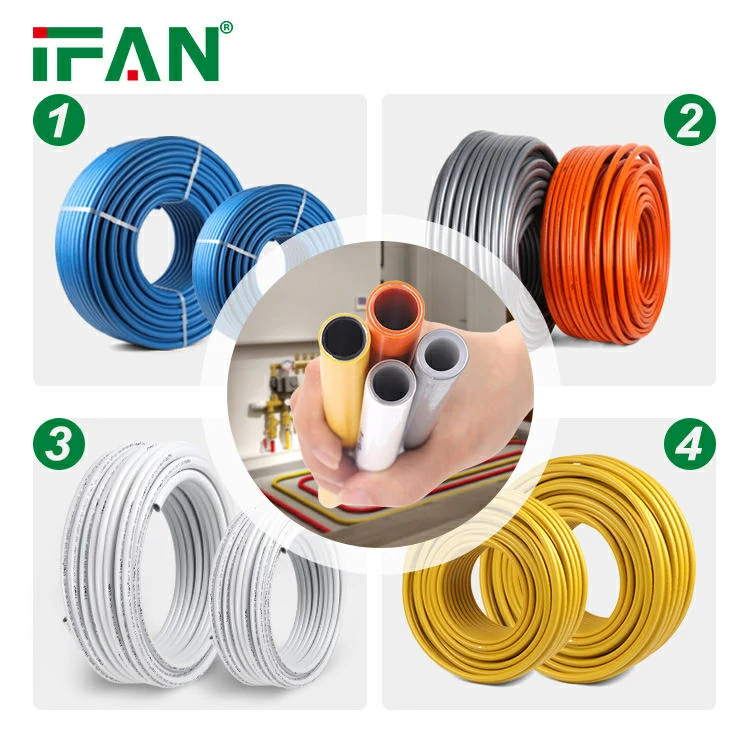
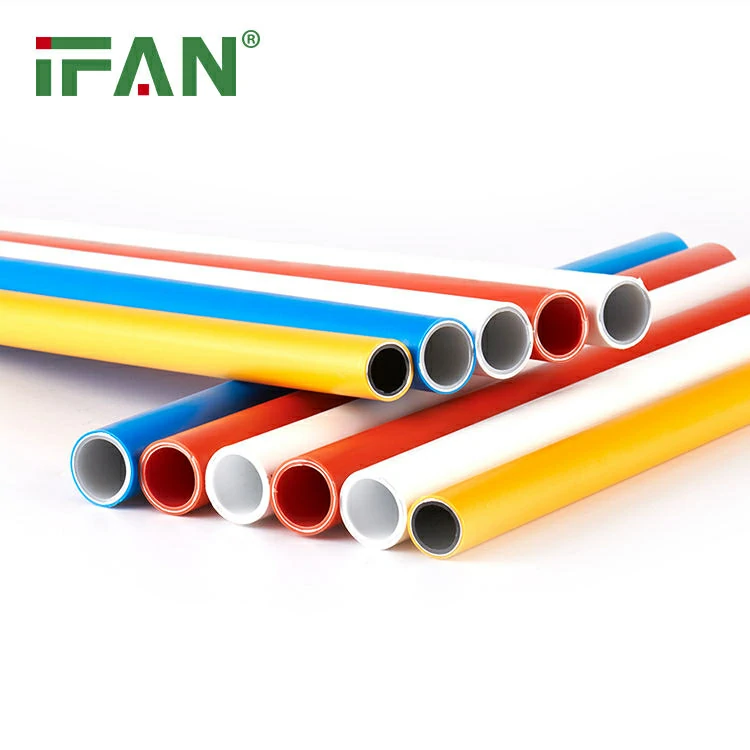
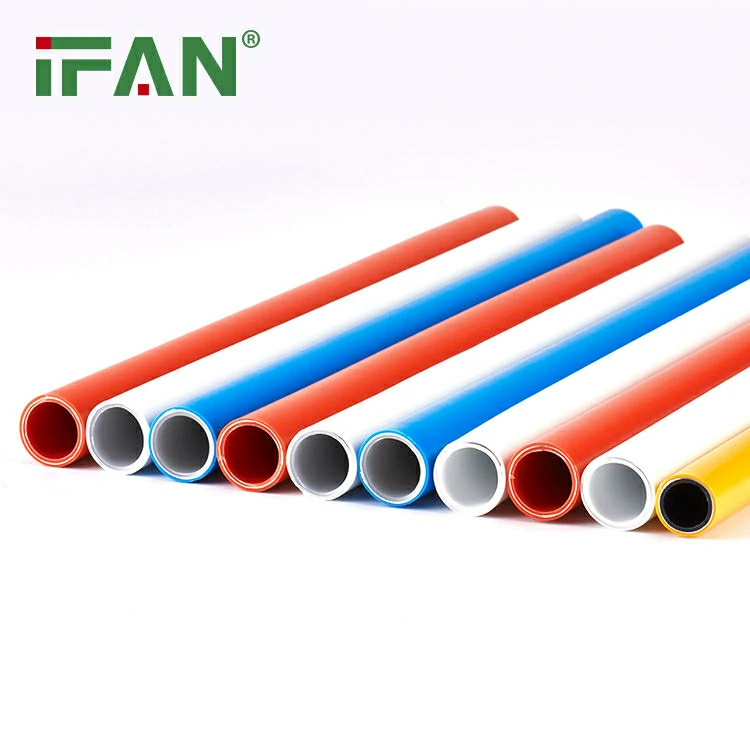
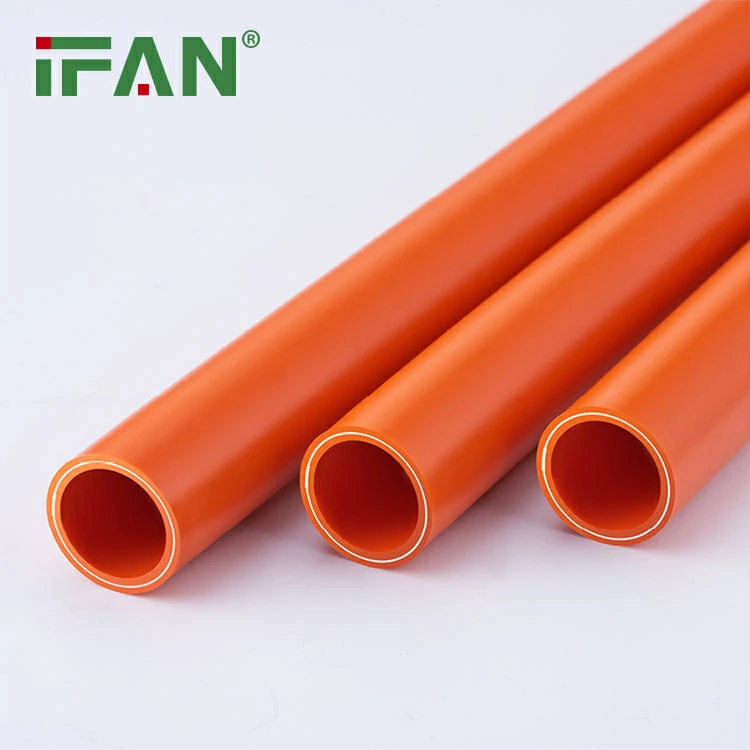
IFAN factory 30+ years manufacture experience support color /size customization support free sample.Welcome to consult for catalog and free samples.This is our Facebook Website:www.facebook.com,Click to watch IFAN’s product video.Compared with Tomex products, our IFAN products from quality to price are your best choice, welcome to buy!
1. Introduction to UPVC Fittings
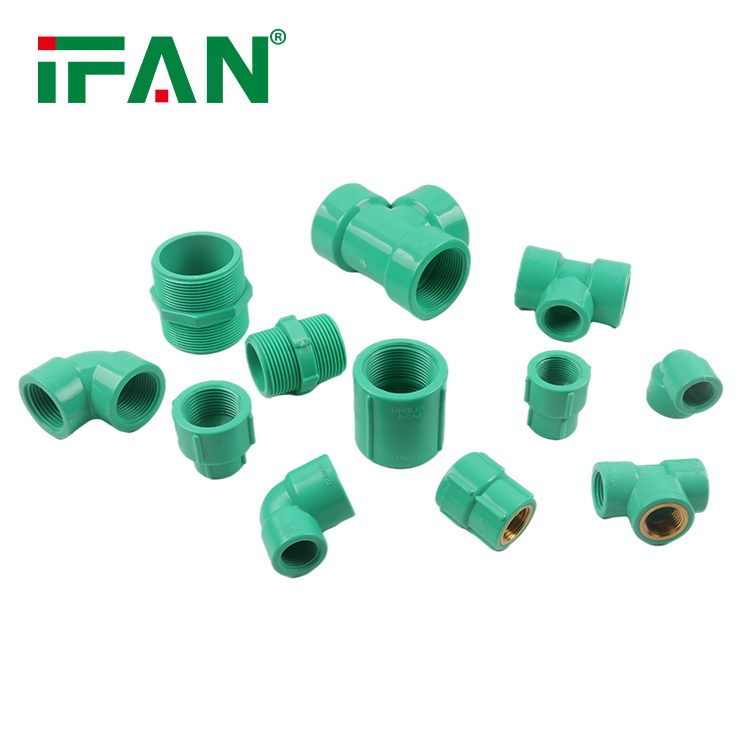
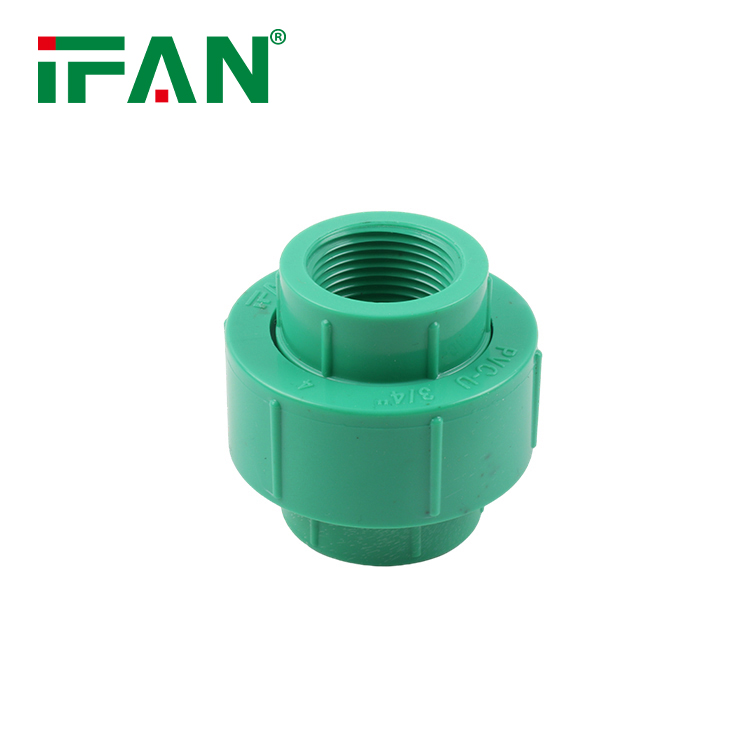
UPVC (Unplasticized Polyvinyl Chloride) fittings are integral components in modern plumbing and construction systems. Unlike regular PVC, UPVC does not contain plasticizers, making it stiffer and more durable. This material is widely used for piping systems due to its resistance to corrosion, chemical damage, and weathering. UPVC fittings are available in various shapes and sizes, including elbows, tees, couplings, and reducers, catering to diverse applications in both residential and industrial settings.
2. Advantages of UPVC Fittings
One of the primary advantages of UPVC fittings is their resistance to corrosion. Unlike metal pipes, UPVC does not rust or corrode, which ensures a longer lifespan and less maintenance. Additionally, UPVC fittings are lightweight and easy to handle, simplifying installation. They also have excellent resistance to a wide range of chemicals, making them suitable for various industrial applications. The smooth interior of UPVC pipes promotes efficient fluid flow, reducing the risk of blockages and ensuring consistent performance.
3. Installation Tips for UPVC Fittings
Proper installation is crucial for ensuring the effectiveness of UPVC fittings. First, ensure that all pipes and fittings are clean and free from debris before assembly. Use a sharp pipe cutter for precise cuts and remove any burrs from the edges. Apply solvent cement evenly to both the pipe and the fitting, then quickly join them together, holding the connection for a few seconds to allow the cement to set. It’s also important to avoid over-tightening fittings, as this can cause damage to the UPVC material. Allow sufficient time for the solvent cement to cure before testing the system under pressure.
4. Maintenance and Care
UPVC fittings require minimal maintenance, but regular checks can help extend their lifespan. Inspect the fittings periodically for signs of damage or wear, such as cracks or leaks. Clean the exterior surfaces with a mild detergent and water to remove any dirt or grime. Avoid using abrasive cleaners or tools that could damage the surface. Ensure that the system is not subjected to excessive pressure or extreme temperatures, as these conditions can affect the integrity of the UPVC fittings. Regular maintenance helps prevent potential issues and ensures the system operates efficiently.
5. Applications and Versatility
UPVC fittings are versatile and can be used in a wide range of applications. In residential settings, they are commonly employed in water supply and drainage systems due to their resistance to corrosion and leakage. In industrial contexts, UPVC fittings are used for chemical handling and process piping because of their chemical resistance. Additionally, they are used in irrigation systems, HVAC installations, and even in swimming pool systems. The adaptability of UPVC fittings to various environments makes them a popular choice across multiple industries.
Conclusion
UPVC fittings offer a durable, cost-effective solution for a variety of piping needs. Their advantages, including resistance to corrosion and chemicals, ease of installation, and minimal maintenance requirements, make them suitable for both residential and industrial applications. By understanding the basics of UPVC fittings, including their installation, maintenance, and applications, beginners can make informed decisions and ensure the reliability and efficiency of their plumbing or piping systems.