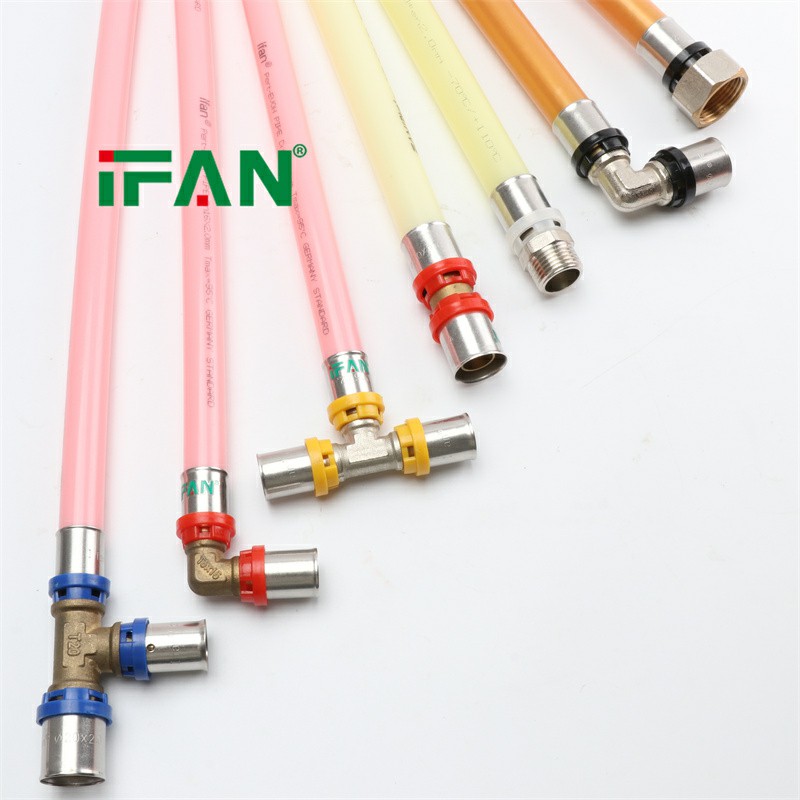
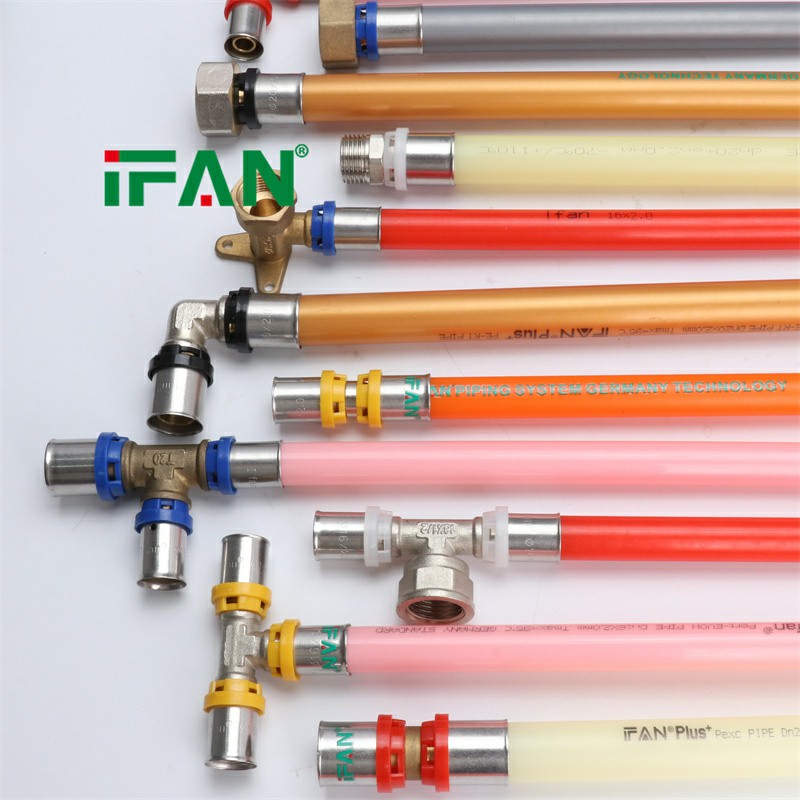
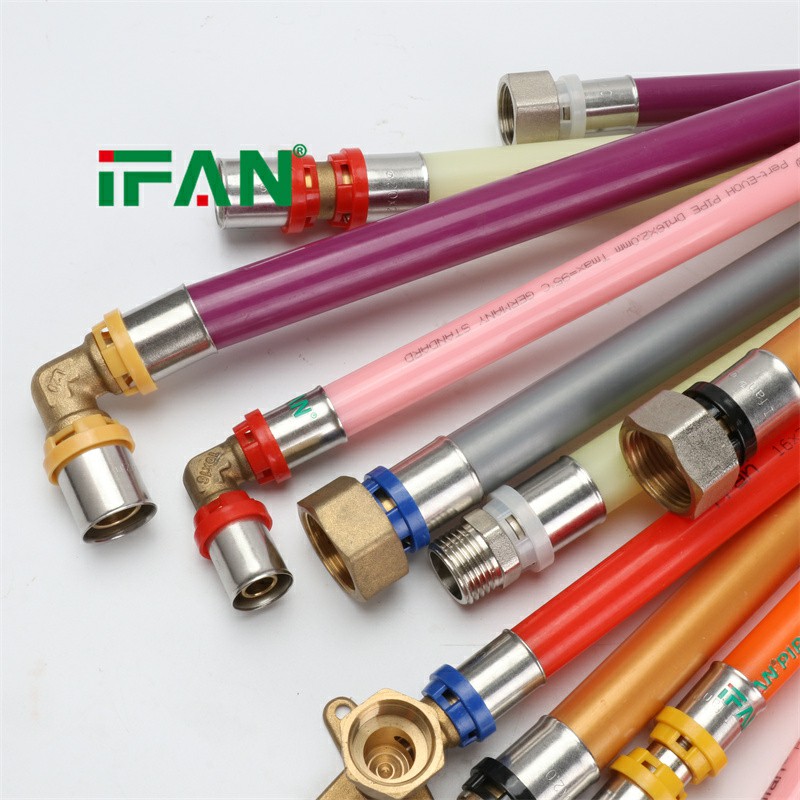
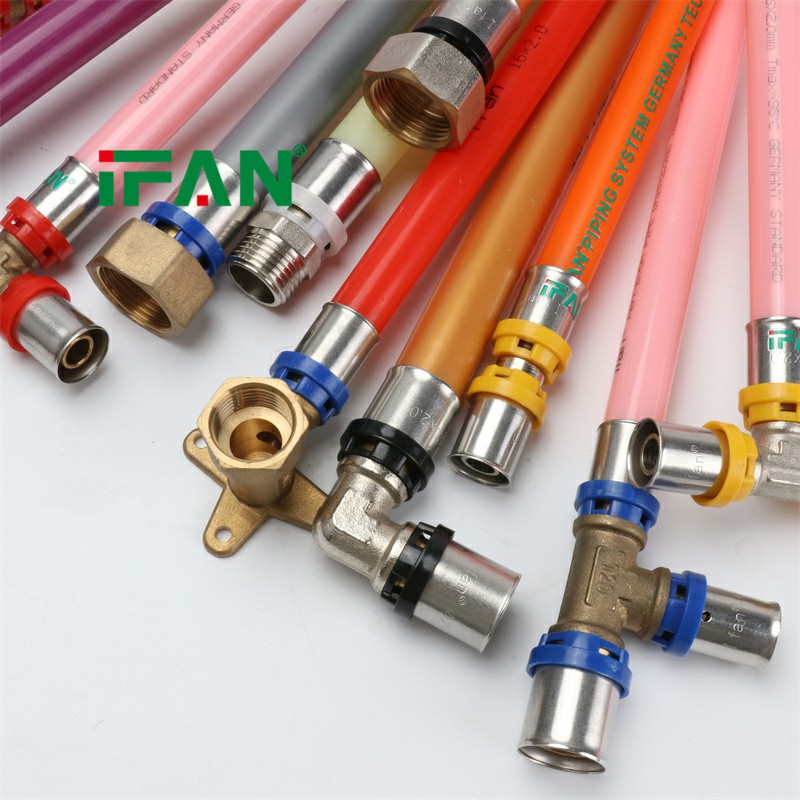
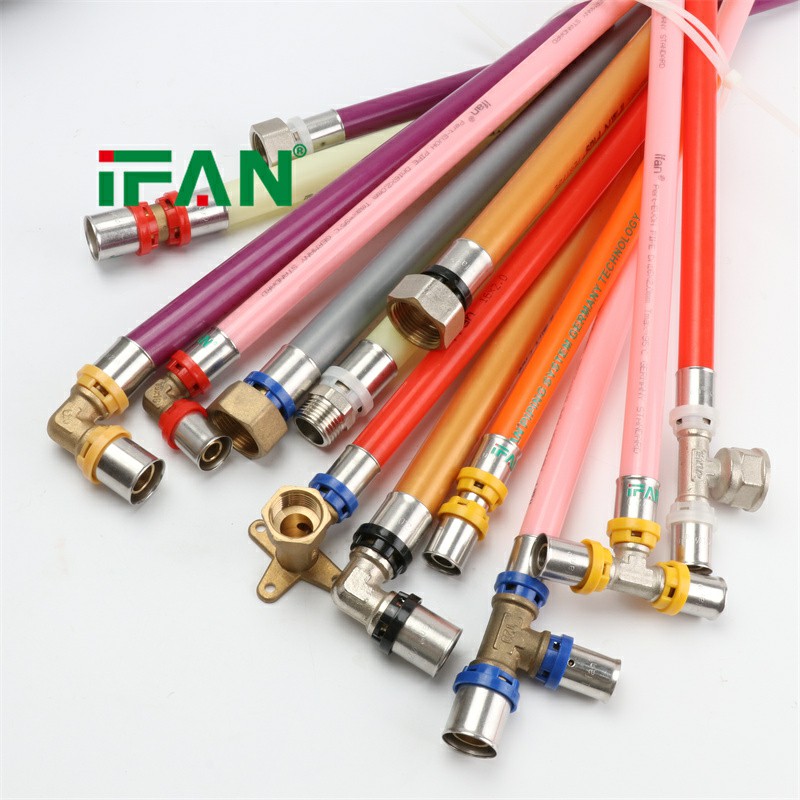
IFAN factory 30+ years manufacture experience support color /size customization support free sample.Welcome to consult for catalog and free samples.This is our Facebook Website:www.facebook.com,Click to watch IFAN’s product video.Compared with Tomex products, our IFAN products from quality to price are your best choice, welcome to buy!
When it comes to plumbing systems, the choice of fittings is crucial to ensuring long-lasting, reliable, and efficient performance. Among the wide range of options, brass fittings stand out due to their durability, strength, and corrosion resistance. This article will explore the advantages of using brass fittings in plumbing systems and why they are an essential choice for both residential and commercial applications.
What Are Brass Fittings?
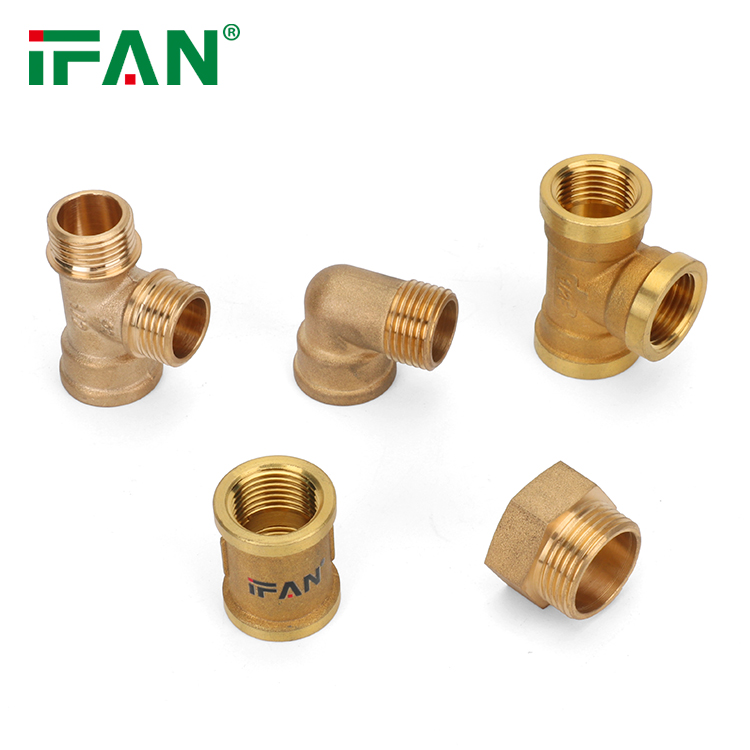
Brass fittings are plumbing components made from an alloy of copper and zinc, designed to connect, seal, or adapt pipes within a plumbing system. They are used to create secure joints, divert the flow of fluids, and ensure the system’s integrity. Brass is highly valued for its strength, resistance to corrosion, and ability to withstand high temperatures and pressures.
Benefits of Brass Fittings
1. Corrosion Resistance
One of the most significant benefits of brass fittings is their corrosion resistance. Plumbing systems are frequently exposed to water and moisture, which can cause rust and deterioration in many materials. Brass, however, is resistant to rust, making it ideal for use in both hot and cold water systems. This resistance to corrosion ensures that your plumbing system remains functional for years without leaks or pipe degradation.
2. Durability
Brass fittings are exceptionally durable and can handle high pressure and fluctuating temperatures. They are able to maintain their structural integrity under extreme conditions, making them a perfect fit for plumbing applications that require resilience. Whether used in residential plumbing or more demanding industrial systems, brass fittings are known to stand the test of time.
3. Versatility
Brass fittings are incredibly versatile and can be used with a wide range of pipe materials, including copper, PVC, and steel. Their compatibility across various piping systems allows them to be used in diverse plumbing applications, from simple household plumbing to complex commercial systems. This adaptability reduces the need for multiple types of fittings, saving both time and money.
4. Leak Prevention
Leakage in plumbing systems is a significant issue that can lead to water damage, mold growth, and expensive repairs. Brass fittings, when installed properly, create a tight, leak-proof seal. Their ability to resist deterioration ensures that the system stays secure and minimizes the risk of leaks, which is particularly important in pressurized systems like water supply lines and gas pipelines.
5. Ease of Installation
Brass fittings are often easier to install than other types of fittings, especially when using compression fittings, which do not require soldering or welding. For homeowners and professionals alike, this ease of installation is an attractive feature, reducing installation time and complexity.
6. Aesthetic Appeal
Brass fittings not only provide functional benefits but also contribute to the aesthetic appeal of a plumbing system. Their golden hue and smooth finish give them a polished, professional appearance, which is especially important for exposed plumbing systems in kitchens, bathrooms, or visible areas. Brass fittings add an elegant touch to any plumbing system, enhancing the overall design.
Common Types of Brass Fittings
1. Compression Fittings
Compression fittings are used to connect two pipes together without the need for welding. These fittings consist of a nut, compression ring, and the fitting body itself. When tightened, the nut compresses the ring around the pipe, creating a tight seal. They are often used for water supply lines, gas systems, and heating systems.
2. Elbow Fittings
Elbow fittings allow pipes to change direction, typically at 45° or 90°. They are essential for rerouting plumbing around obstacles or corners. Elbow fittings are available in both soldered and threaded varieties, ensuring a secure connection and smooth flow of water.
3. Tee Fittings
Tee fittings are used to branch off one pipe into two directions. With three openings, tee fittings allow for the splitting of fluid flow without disturbing the pressure balance in the system. They are commonly used in water distribution systems and gas supply systems.
4. Couplings and Unions
Couplings are used to join two pieces of pipe together, often to extend the length of the system. Unions, similar to couplings, allow for easy disconnection of pipes for maintenance or repair, making them ideal for water filtration systems or any system that may require periodic disassembly.
5. Cap and Plug Fittings
Cap and plug fittings are used to seal the ends of pipes or pipe sections, preventing fluid from flowing through them. These fittings are crucial during maintenance or installation when a section of pipe is temporarily closed off.
How to Maintain Brass Fittings
While brass fittings are known for their durability, regular maintenance is still necessary to ensure their longevity. Here are some tips to maintain brass fittings:
- Check for leaks: Periodically inspect your fittings for signs of leaks or corrosion.
- Clean fittings regularly: Over time, brass can develop a tarnish. Clean the fittings using a mild soap solution to keep them shiny and free from buildup.
- Tighten connections: Over time, fittings may loosen. Ensure that all connections are properly tightened to prevent leaks.
- Replace damaged fittings: If you notice any damage or signs of wear, such as cracks or rust, it’s important to replace the fittings promptly to avoid system failures.
The Environmental Impact of Brass Fittings
Brass fittings are an eco-friendly option compared to other materials, such as plastic, because they are recyclable. Brass can be melted down and reused, which reduces the demand for new materials and minimizes waste. By choosing brass fittings, you contribute to sustainable plumbing practices while benefiting from a long-lasting, durable system.
Conclusion
In conclusion, brass fittings are an excellent choice for both residential and commercial plumbing systems due to their durability, corrosion resistance, versatility, and ease of installation. Whether you’re installing a new plumbing system or upgrading an existing one, brass fittings ensure a leak-free, reliable, and efficient solution for all your plumbing needs.
Frequently Asked Questions (FAQs)
1. Are brass fittings safe for drinking water systems?
Yes, brass fittings are safe for use in drinking water systems. They are non-toxic and meet the necessary standards for potable water.
2. How long do brass fittings last?
Brass fittings can last for decades, often outlasting other materials like plastic and steel, due to their resistance to corrosion and high durability.
3. Can brass fittings be used with PVC pipes?
Yes, brass fittings are compatible with PVC pipes when using threaded or compression fittings, making them a versatile choice for various piping systems.
4. How do I know if my brass fittings are leaking?
Leaks can often be identified by visible water stains, dampness, or a decrease in water pressure. Regular inspections are crucial to prevent leaks from becoming a major issue.
5. Can brass fittings be used outdoors?
Yes, brass fittings are durable enough to be used outdoors, especially in irrigation systems, outdoor plumbing, and gas lines, where they are exposed to the elements.