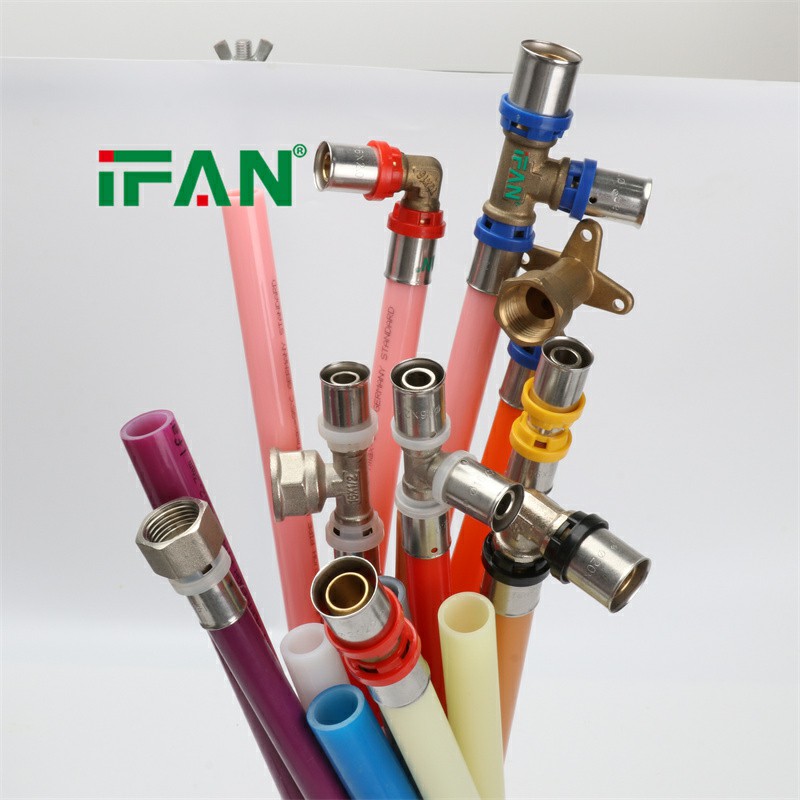
The Final Verification of System Integrity
Installing a piping network involves hundreds of individual connections. While the mechanical design of IFAN PEX Press Fittings is engineered to create a permanent, leak-proof seal, the only way to guarantee that every joint has been properly executed is through rigorous pressure testing. This final step is non-negotiable. It verifies not only the integrity of the fittings and the pipe but also the competency of the installation. Following the correct pressure testing procedures ensures that any potential issues are identified and resolved before the system is sealed behind walls or put into active service.
Preparation and Initial Visual Inspection
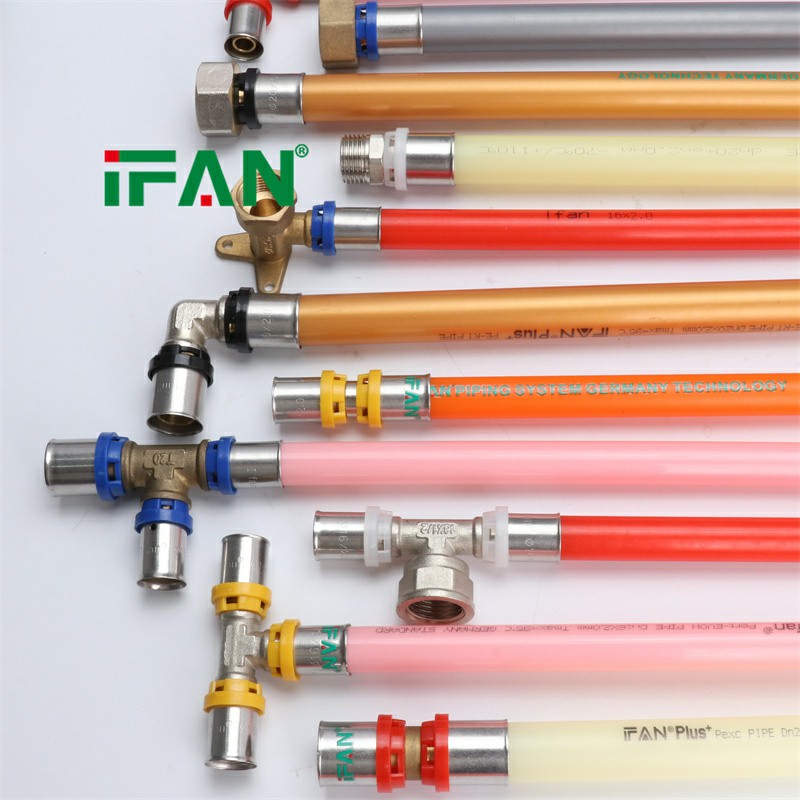
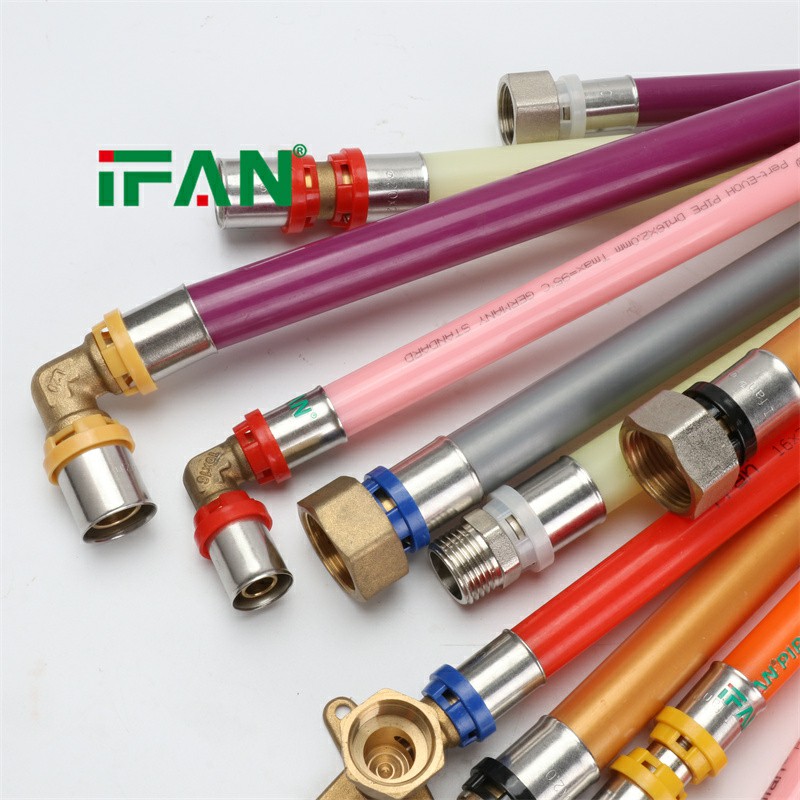
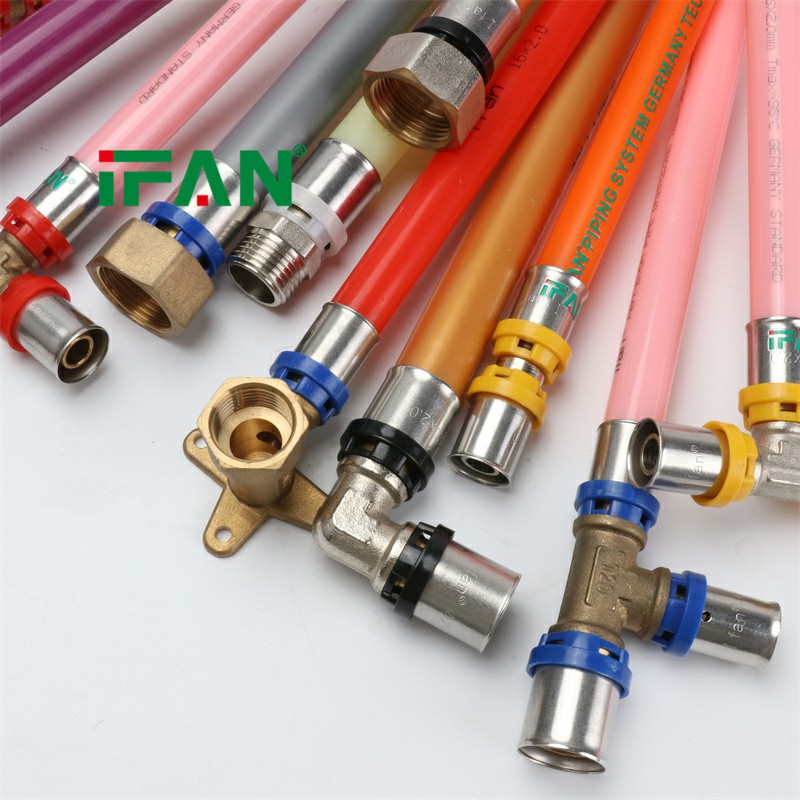
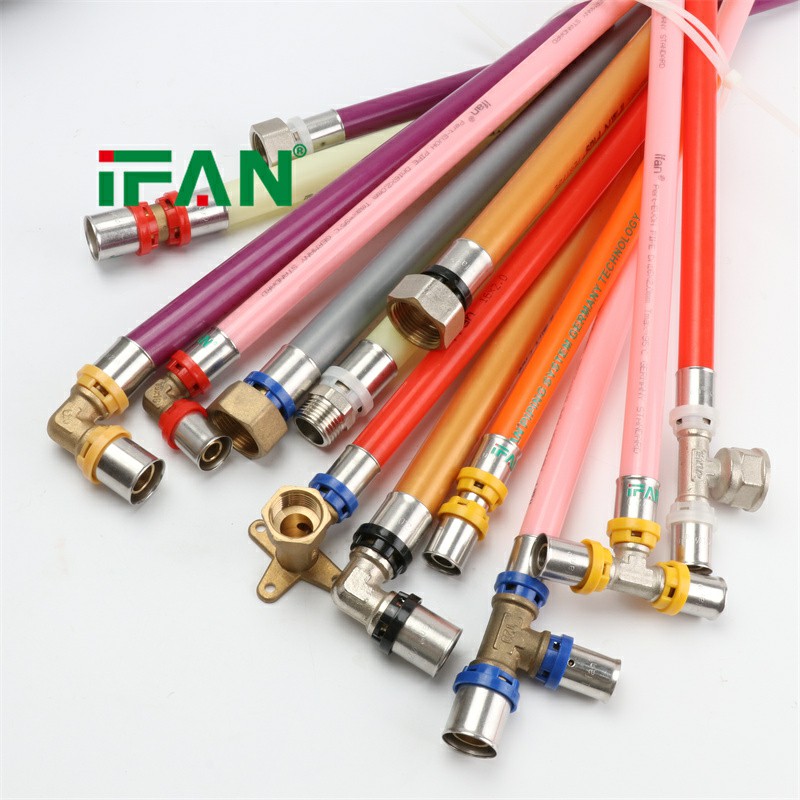
Before any water or air is introduced into the system, a thorough visual inspection must be conducted. Every single connection point needs to be verified. Look for the distinct, uniform indentation on the stainless steel sleeve of every IFAN PEX Press Fitting. If a press mark is missing, incomplete, or off-center, that joint must be cut out and replaced immediately.
The system should be completely flushed to remove any debris, solder residue, or construction dust that could damage the O-rings or clog downstream fixtures. Once the lines are clear, all open ends must be capped, and the system must be isolated from the municipal water supply or the main boiler. It is crucial to ensure that the test pressure will not inadvertently affect other parts of the building’s infrastructure.
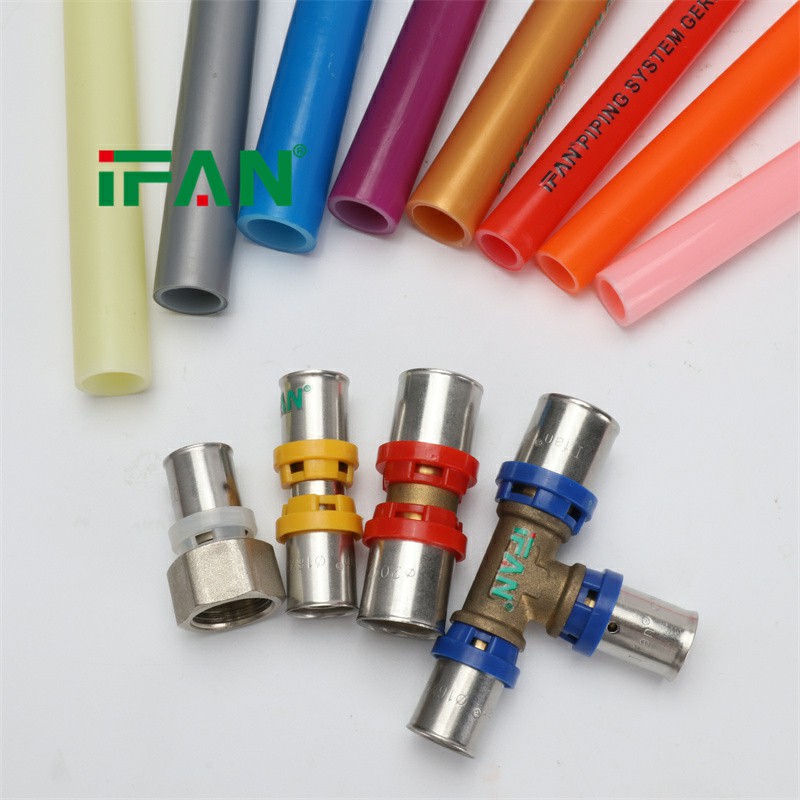
Hydrostatic Testing: The Standard Protocol
Hydrostatic testing is the most common and reliable method for verifying the integrity of water-based systems. This process involves filling the piping network with water and pressurizing it to a level that exceeds the system’s normal operating pressure.
The industry standard is to test at 1.5 times the maximum working pressure, though this should never exceed the pressure rating of the lowest-rated component in the system. The pressure should be applied slowly to avoid water hammer. Once the target pressure is reached, the system is isolated and left to hold.
The duration of the test typically ranges from 15 minutes to several hours, depending on local codes and project specifications. During this time, the pressure gauge is monitored closely. A slight initial drop in pressure is normal as the PEX pipe expands and the water absorbs air. However, if the pressure continues to drop steadily, it indicates a leak. All IFAN PEX Press Fittings should be inspected for moisture during this period. If a leak is found at a fitting, the joint cannot simply be tightened; it must be completely removed and rebuilt.
Pneumatic Testing and Safety Considerations
In situations where hydrostatic testing is impractical—such as in freezing environments or where water damage is a major risk if a leak occurs—pneumatic (air) testing may be used. However, this method carries significant safety risks. Compressed air stores a massive amount of energy. If a joint fails catastrophically under air pressure, it can cause severe injury or damage.
Therefore, pneumatic testing must always be conducted at lower pressures than hydrostatic testing, strictly following local safety regulations. The system is pressurized with air, and a soapy water solution is applied to every IFAN PEX Press Fitting. The formation of bubbles indicates a leak. Because air molecules are smaller than water molecules, a system that passes an air test is highly likely to pass a water test.
Documenting the Results and Moving Forward
Pressure testing is not just a mechanical check; it is a documentation process. The date of the test, the test pressure, the duration, and the ambient temperature should all be recorded. It is also wise to take photographs of the pressure gauge readings and the verified press marks on the fittings.
Only after the system has passed the pressure test should the installer proceed with insulating the pipes and sealing the walls. By adhering to strict pressure testing procedures, contractors ensure that the permanent, leak-proof design of IFAN PEX Press Fittings is fully realized, protecting both the building and its occupants from the costly consequences of hidden water damage.