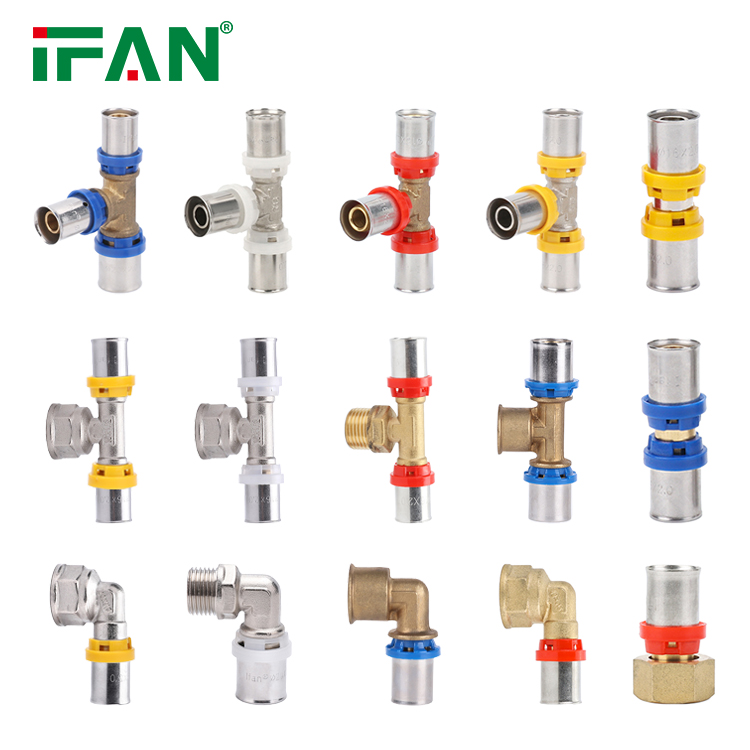
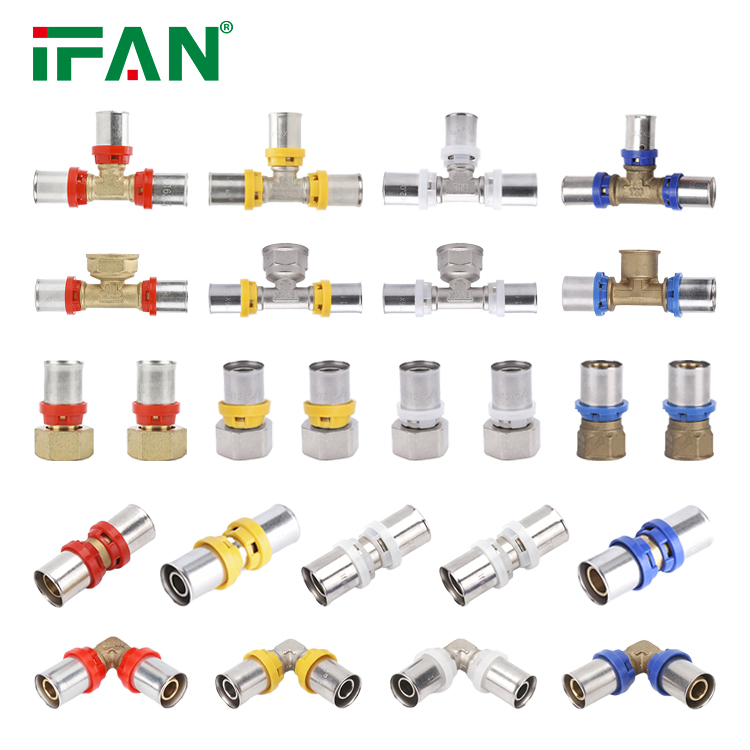
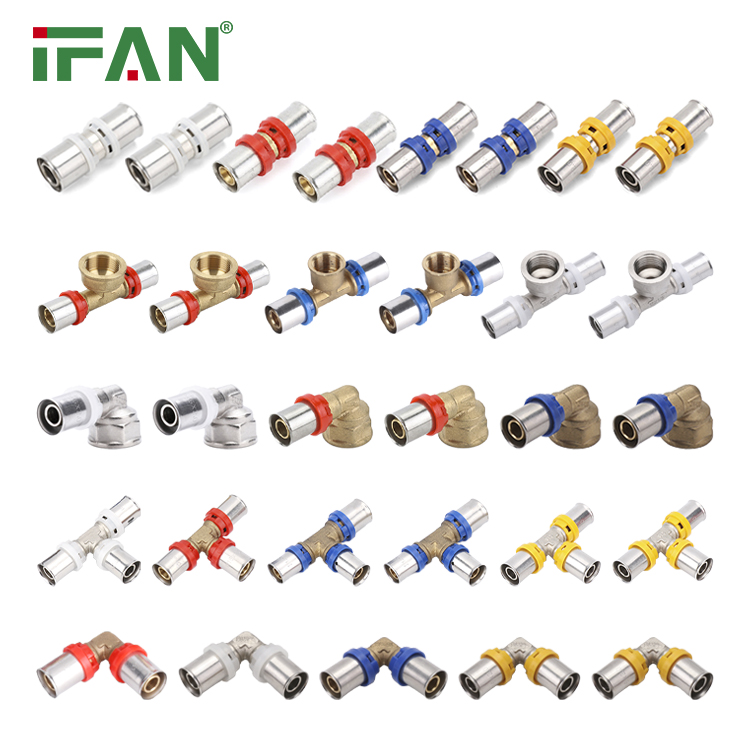
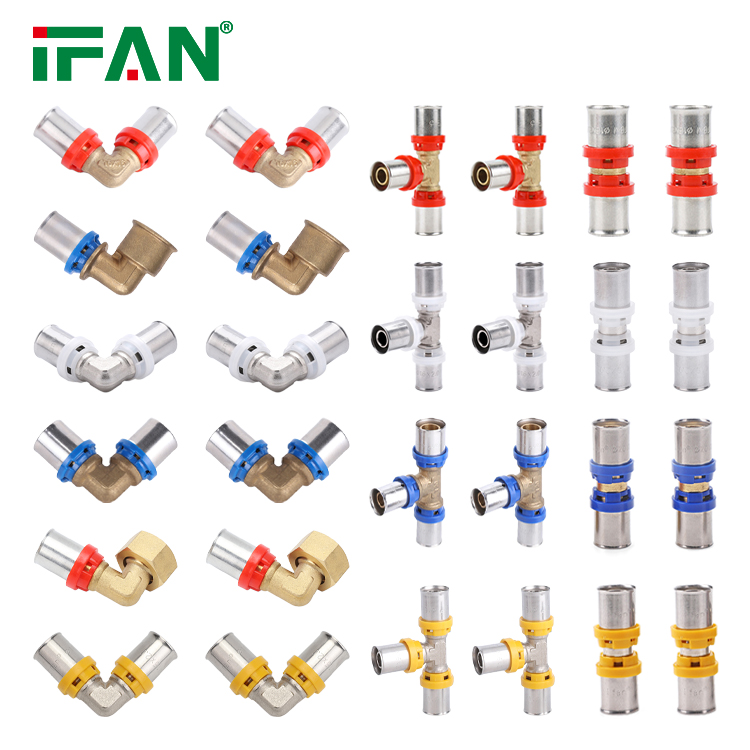
IFAN factory 30+ years manufacture experience support color /size customization support free sample.Welcome to consult for catalog and free samples.This is our Facebook Website:www.facebook.com,Click to watch IFAN’s product video.Compared with Tomex products, our IFAN products from quality to price are your best choice, welcome to buy!
When it comes to water systems, plumbing, and drainage, durability is one of the most critical factors in ensuring long-lasting performance. UPVC (Unplasticized Polyvinyl Chloride) fittings are renowned for their corrosion resistance and ease of installation. However, in harsh conditions like extreme temperatures, UV exposure, or aggressive chemical environments, even the best UPVC systems can face challenges. This article will delve into how to maximize the durability of UPVC fittings in harsh conditions, ensuring they maintain peak performance throughout their lifespan.
Understanding UPVC Fittings and Their Benefits
UPVC fittings are widely used in residential and industrial water systems due to their strength, resistance to corrosion, and ease of installation. Unlike PVC, which contains plasticizers to enhance flexibility, UPVC is rigid, offering superior pressure resistance and long-term durability. Its resistance to rust, corrosion, and scaling makes it a reliable choice for a range of plumbing applications, from water distribution to drainage systems.
However, like all materials, UPVC can degrade under certain environmental factors. To maximize its durability, it’s essential to consider specific protective measures and practices tailored to harsh conditions.
Challenges Facing UPVC Fittings in Harsh Environments
- UV Exposure
UPVC, when exposed to prolonged sunlight and UV rays, can become brittle and degrade over time. This can cause the fittings to crack or break, especially in outdoor applications like irrigation systems. - Temperature Extremes
Both extremely high and low temperatures can affect UPVC’s structural integrity. In freezing conditions, water inside UPVC pipes can freeze and expand, potentially causing the pipes and fittings to crack. Conversely, heat can make the material more flexible, potentially leading to deformation or leaks. - Chemical Exposure
In industrial applications, UPVC fittings are often exposed to aggressive chemicals or harsh solvents. If not properly protected, these chemicals can degrade the material, weakening its performance and leading to premature failure. - Physical Impact
While UPVC fittings are tough, excessive impact from external forces such as heavy machinery, objects, or even manual handling can cause cracks or breaks.
Ways to Maximize Durability of UPVC Fittings in Harsh Conditions
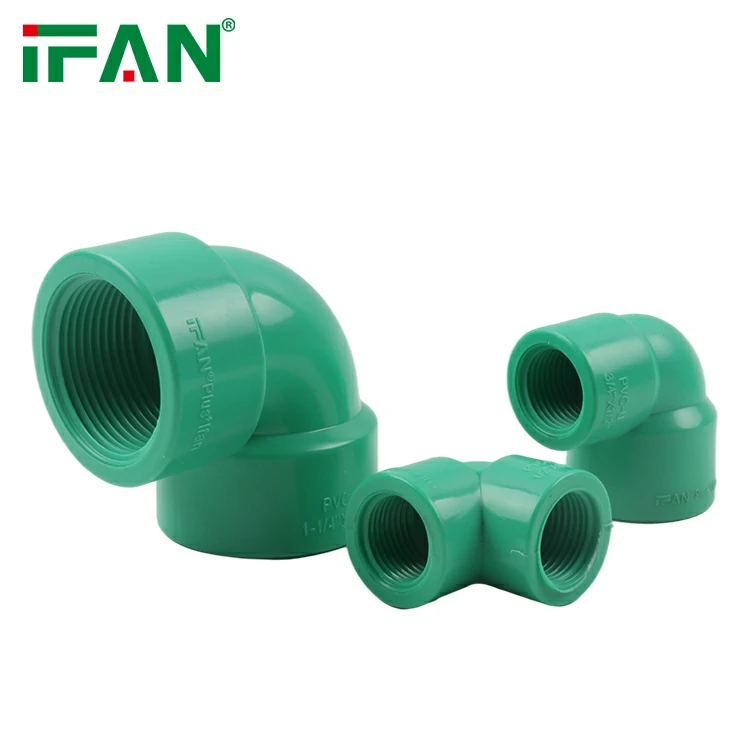
- Use UV-Resistant Coatings
UV radiation is one of the most significant threats to the longevity of UPVC fittings. To prevent UV degradation, manufacturers often apply special coatings to UPVC pipes and fittings. These coatings block UV rays, preventing the material from becoming brittle and cracking. If UV exposure is a concern, particularly for outdoor installations, ensure that you select UV-resistant UPVC fittings that offer additional protection against sun damage.
- Choose Temperature-Resistant UPVC Fittings
When selecting UPVC fittings for use in extreme temperatures, ensure you are using those designed for the specific environmental conditions. UPVC has a defined temperature range in which it maintains its strength and flexibility. In areas with extreme cold, special cold-resistant UPVC pipes and fittings can prevent freezing and cracking. Similarly, for high-temperature applications, look for UPVC that is specifically formulated to withstand elevated temperatures, ensuring it remains rigid and durable.
- Proper Insulation for Cold Climates
For areas subject to freezing temperatures, insulating your UPVC pipes and fittings is crucial. Insulation helps prevent the water inside from freezing, which can otherwise cause the pipes to burst. Foam sleeves, fiberglass wraps, or even heat cables can be used to insulate exposed pipes, reducing the risk of freezing and increasing the durability of your UPVC fittings in cold conditions.
- Protect Against Chemical Exposure
For industrial environments where UPVC fittings might be exposed to chemicals, it’s essential to choose fittings that are resistant to specific substances. UPVC’s chemical resistance varies depending on the type of resin used, so select fittings that are rated for the particular chemicals or solvents involved in the process. Additionally, you can apply chemical-resistant coatings or sealants to enhance protection from corrosive substances.
- Handling and Installation Care
Proper handling and installation are crucial to maximizing the lifespan of UPVC fittings. Avoid dropping or mishandling fittings, as physical impact can cause cracks and defects. When installing, ensure that all joints are properly sealed, and avoid over-tightening fittings, which can lead to stress cracks. Using the correct adhesives and following manufacturer instructions for installation will ensure a secure and durable system.
- Regular Maintenance and Inspections
Even the most durable UPVC fittings require regular maintenance to ensure they remain in optimal condition. Conduct periodic inspections to check for signs of wear and tear, such as cracks, leaks, or discoloration. If you identify any issues, it’s essential to address them promptly before they worsen, potentially compromising the entire system. Routine cleaning and ensuring that fittings are free from debris will also prevent buildup that could affect performance.
Choosing the Right UPVC Fittings for Harsh Conditions
- Reinforced UPVC Fittings
For extremely harsh environments, reinforced UPVC fittings with added fiberglass or composite materials provide superior durability. These fittings are designed to withstand higher pressure, extreme temperatures, and physical impact, making them ideal for industrial and outdoor applications.
- Pressure-Resistant Fittings
In regions with high water pressure or systems that are under significant stress, selecting pressure-resistant UPVC fittings is essential. These fittings are designed to maintain their integrity under high pressure, reducing the risk of leaks or burst pipes.
- Custom-Designed Fittings
If your project involves specific challenges—such as exposure to extreme heat, UV radiation, or chemicals—consider opting for custom-designed UPVC fittings. These are tailored to meet the exact needs of your system and offer enhanced durability in challenging conditions.
Conclusion
Maximizing the durability of UPVC fittings in harsh conditions requires careful consideration of the environment and proper protective measures. By using UV-resistant coatings, temperature-resistant materials, chemical protection, and taking steps to properly handle and install your fittings, you can extend their lifespan and reduce the risk of premature failure. Regular maintenance and periodic inspections will ensure that your UPVC fittings remain in top condition, even in the most challenging environments.
Frequently Asked Questions (FAQs)
- What makes UPVC fittings resistant to corrosion?
UPVC fittings are made from a rigid, unplasticized form of PVC, which resists corrosion caused by exposure to water, chemicals, and other environmental factors, making them ideal for plumbing and drainage systems. - How can I prevent UPVC fittings from becoming brittle in the sun?
UV-resistant coatings can be applied to UPVC fittings to protect them from sun damage. Choosing UV-resistant UPVC products is also a good option for outdoor applications. - Can UPVC fittings be used in extremely cold environments?
Yes, UPVC fittings can be used in cold environments, but they must be insulated to prevent freezing. Special cold-resistant UPVC fittings are also available for such conditions. - How can I extend the lifespan of UPVC fittings in industrial settings?
To extend the lifespan of UPVC fittings in industrial settings, use fittings with chemical-resistant coatings and choose those rated for the specific substances in your system. Regular maintenance and inspections are also important. - Is it safe to install UPVC fittings myself?
Yes, UPVC fittings are relatively easy to install, but it’s important to follow the manufacturer’s instructions carefully to avoid issues such as leaks or cracks. Using the proper tools and sealants ensures a secure and durable system.