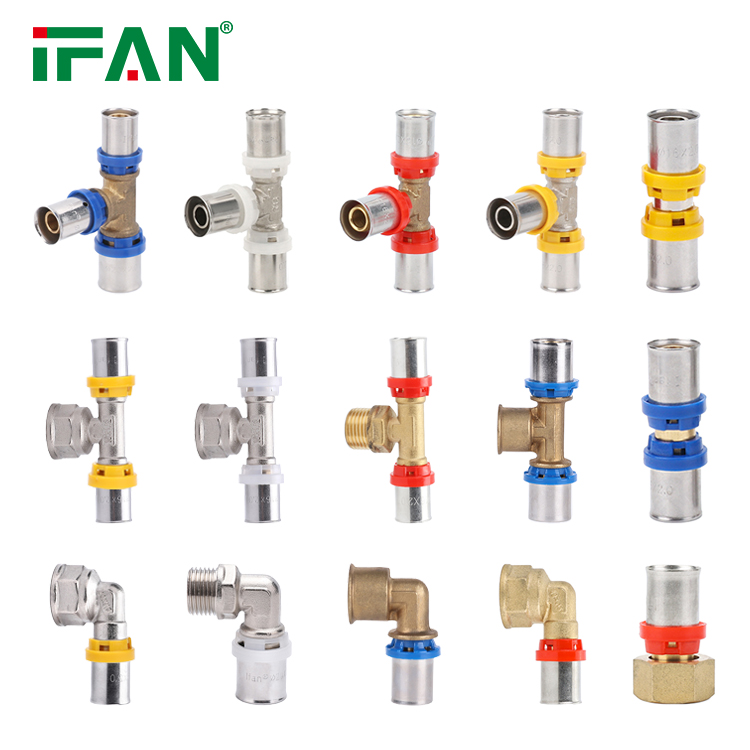
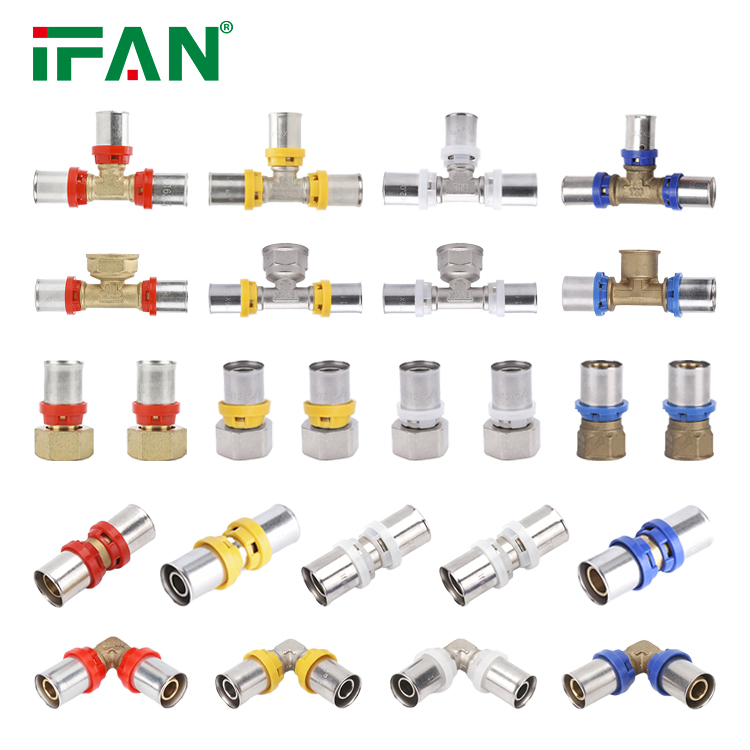
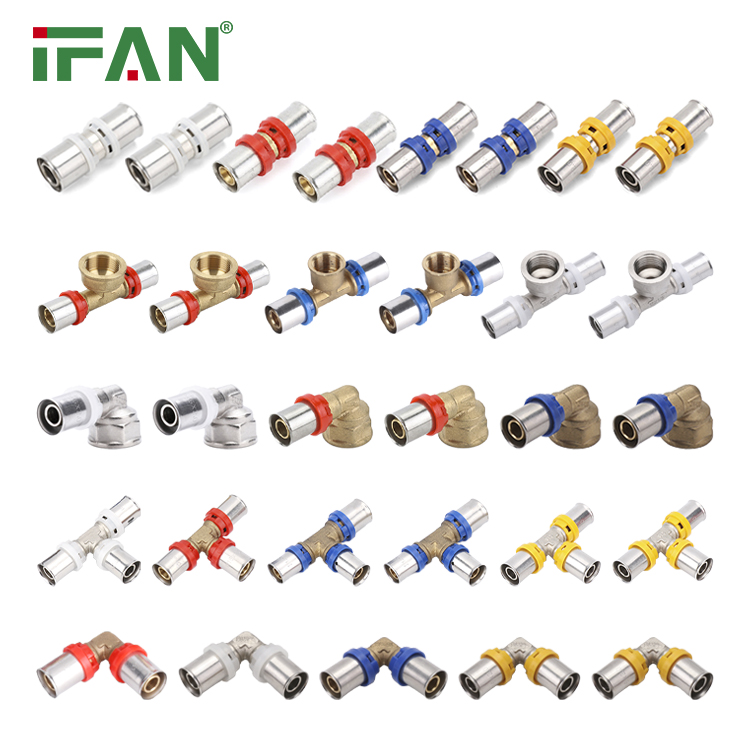
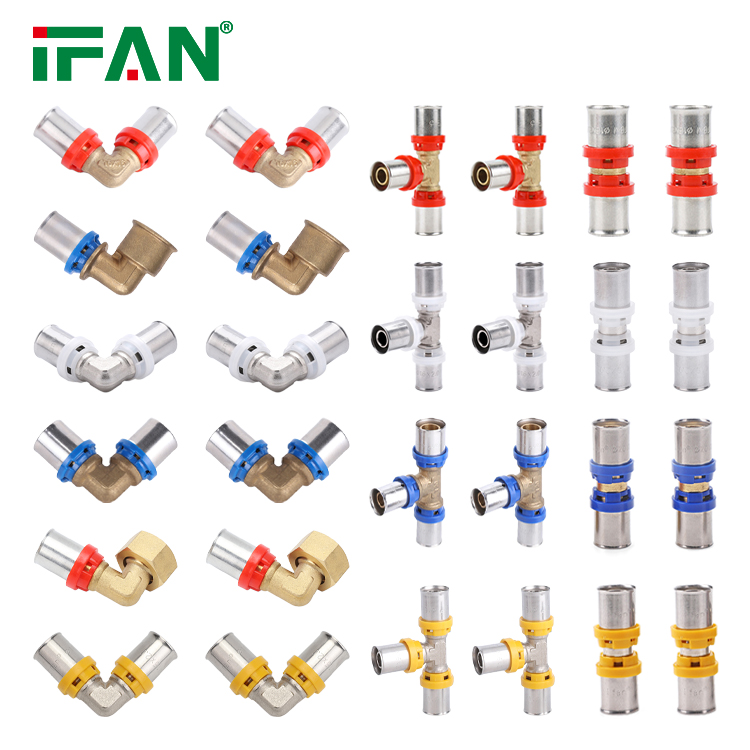
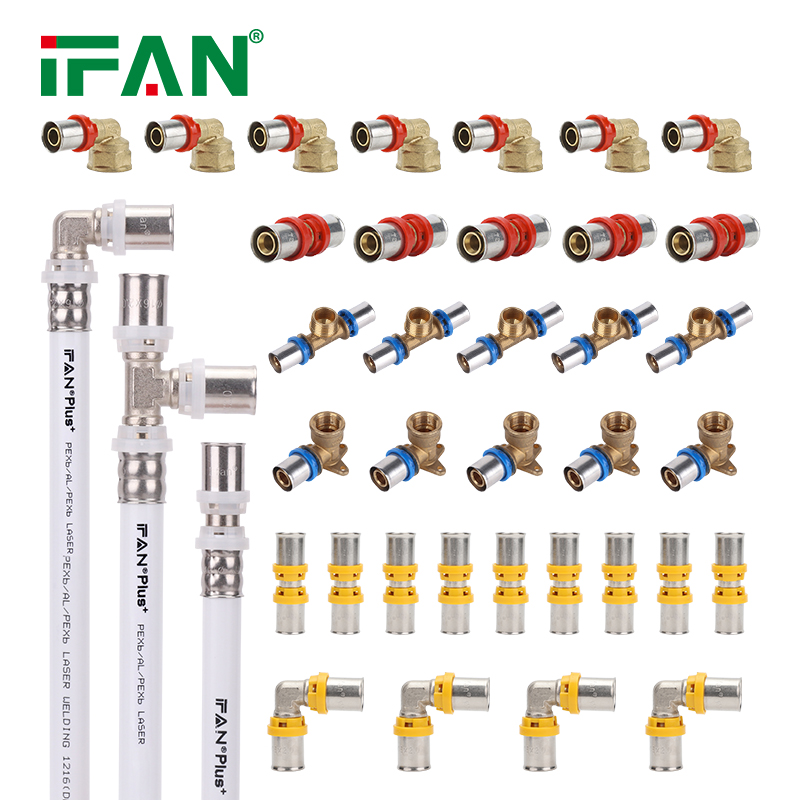
IFAN factory 30+ years manufacture experience support color /size customization support free sample.Welcome to consult for catalog and free samples.This is our Facebook Website:www.facebook.com,Click to watch IFAN’s product video.Compared with Tomex products, our IFAN products from quality to price are your best choice, welcome to buy!
When selecting the right plumbing fittings for your water systems, it’s essential to understand the differences between UPVC fittings and PVC fittings. Both materials are widely used in plumbing, but they have distinct characteristics that make them suitable for different applications. This article will explore the key differences between UPVC and PVC fittings, their respective advantages, and which one is ideal for your specific needs.
What are UPVC Fittings?
UPVC stands for Unplasticized Polyvinyl Chloride. It is a rigid and durable plastic material used in plumbing, drainage, and various industrial applications. UPVC fittings are designed to resist corrosion, rust, and other types of chemical degradation, making them ideal for transporting water, chemicals, and gases. UPVC is commonly used in water supply systems, irrigation, and sewer lines due to its excellent durability and resistance to external factors like UV rays.
Key Features of UPVC Fittings
- Corrosion Resistance: UPVC is highly resistant to rust and corrosion, making it ideal for systems exposed to water and chemicals.
- Rigid Construction: It is strong, rigid, and can withstand higher pressures than PVC fittings.
- UV Resistance: UPVC fittings are designed to resist UV degradation, making them suitable for outdoor applications.
- High Durability: UPVC fittings last longer in harsh conditions, making them more durable than standard PVC fittings.
What are PVC Fittings?
PVC stands for Polyvinyl Chloride. Unlike UPVC, PVC contains plasticizers that give it more flexibility. PVC fittings are commonly used in plumbing systems, electrical conduit installations, and other applications that do not require rigid, heavy-duty materials. PVC is lightweight, affordable, and easy to install, making it a popular choice for residential plumbing systems.
Key Features of PVC Fittings
- Flexibility: PVC fittings are more flexible than UPVC fittings due to the presence of plasticizers.
- Cost-Effective: PVC fittings are generally less expensive than UPVC, making them a more budget-friendly option.
- Lightweight: PVC is lighter than UPVC, making it easier to handle and install.
- Vulnerable to UV Degradation: Without UV-resistant coatings, PVC fittings can degrade quickly when exposed to sunlight.
Key Differences Between UPVC and PVC Fittings
1. Material Composition
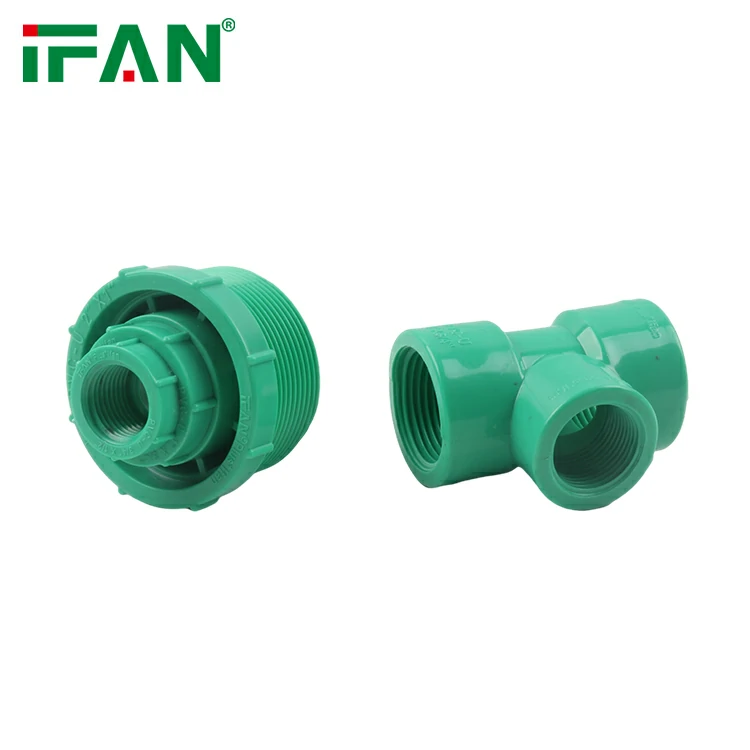
The most significant difference between UPVC and PVC is their material composition. UPVC is unplasticized, meaning it does not contain any plasticizers, which makes it more rigid and durable. PVC, on the other hand, is plasticized and is more flexible, but less rigid and durable than UPVC.
2. Strength and Durability
UPVC fittings are stronger and more durable than PVC fittings. They can withstand higher pressures and are more resistant to corrosion and weathering. PVC fittings, being more flexible, are more susceptible to cracking and breaking under pressure or impact.
3. Flexibility
PVC fittings are more flexible, which allows them to be used in areas where some movement is needed, such as in seismic zones or in areas with temperature variations. However, this flexibility can also make PVC more prone to deformation and cracking over time, especially in outdoor installations.
4. UV Resistance
UPVC fittings have better resistance to UV degradation than PVC fittings. This makes UPVC the preferred choice for outdoor installations, especially in areas with intense sunlight exposure. PVC fittings, without additional UV protection, can become brittle and degrade under UV rays.
5. Cost
PVC fittings are generally more affordable than UPVC fittings. Due to the flexibility and lower production cost of PVC, it remains the most cost-effective choice for general plumbing applications. UPVC, being more durable and resistant to harsh conditions, comes at a higher price but offers long-term benefits in terms of performance and lifespan.
6. Applications
- UPVC Fittings: Best used for plumbing systems in industrial applications, outdoor installations, and systems exposed to UV rays, chemicals, or higher pressures.
- PVC Fittings: Ideal for residential plumbing systems, drainage systems, and low-pressure water applications where flexibility and ease of installation are more important.
Advantages of UPVC Fittings
- Longevity: UPVC fittings last longer than PVC fittings, especially in harsh conditions. They can withstand higher temperatures and pressures, making them ideal for industrial applications.
- Chemical Resistance: UPVC is highly resistant to chemicals, making it suitable for transporting hazardous materials.
- Strength: The rigidity of UPVC ensures that it maintains its structural integrity over time, even under pressure.
Advantages of PVC Fittings
- Affordability: PVC fittings are typically less expensive than UPVC, making them the go-to option for residential plumbing systems.
- Ease of Installation: PVC is lighter and easier to work with, reducing installation time and labor costs.
- Flexibility: PVC fittings can adapt to various types of systems that require some level of movement, making them suitable for areas prone to seismic activity.
Choosing Between UPVC and PVC Fittings
The decision between UPVC and PVC fittings depends largely on the intended application and environmental factors.
- For Residential Plumbing: PVC is generally the better choice due to its affordability, ease of installation, and sufficient durability for most residential applications.
- For Industrial and Outdoor Applications: UPVC is more suitable due to its superior strength, chemical resistance, and UV resistance.
- For Areas with Harsh Conditions: UPVC should be chosen when durability and resistance to weather and chemicals are a priority.
Conclusion
Both UPVC and PVC fittings have their advantages and specific applications. Understanding the key differences between them, such as flexibility, durability, cost, and UV resistance, is crucial for selecting the right type of fitting for your plumbing needs. While PVC fittings are ideal for cost-effective, residential projects, UPVC fittings provide a more durable and long-lasting solution for industrial and outdoor systems.
Frequently Asked Questions (FAQ)
1. What is the difference between UPVC and PVC?
UPVC is unplasticized and rigid, offering more durability and strength, while PVC contains plasticizers that make it more flexible but less durable.
2. Can PVC fittings be used outdoors?
PVC fittings can be used outdoors, but they are more vulnerable to UV degradation unless they are specially coated or treated.
3. Are UPVC fittings more expensive than PVC fittings?
Yes, UPVC fittings are generally more expensive due to their superior strength, chemical resistance, and UV protection.
4. Can PVC fittings be used in industrial applications?
PVC fittings are typically used in low-pressure systems and are more suitable for residential applications. UPVC is a better choice for industrial use.
5. Which fitting is better for hot water systems?
UPVC fittings are more suitable for hot water systems as they can handle higher temperatures and pressures compared to PVC fittings.