Introduction
When it comes to sourcing clean water from underground aquifers, deep wells are a reliable solution for residential, agricultural, and commercial applications. However, the success and longevity of any deep well system largely depend on the quality of water pipes and fittings used during installation. With increasing demand for cost-effective, durable, and easy-to-install materials, PEX pipe has emerged as a top recommendation in modern deep well systems.
In this article, we’ll explore the types of pipes and fittings best suited for deep wells, with a specific focus on why PEX pipe is quickly becoming the preferred choice for installers and engineers worldwide.
What Is a Deep Well?
A deep well typically extends more than 25 meters (about 80 feet) below ground level, reaching into deep water tables or aquifers. These wells often require submersible pumps, heavy-duty piping systems, and corrosion-resistant fittings to maintain a consistent and uncontaminated water flow.
Due to the harsh conditions below ground—high pressure, potential for mineral scaling, and exposure to varying temperatures—the materials used in piping must be both resilient and reliable.
Why Pipe Selection Matters in Deep Wells
Choosing the wrong pipe or fitting can lead to:
- System failure due to pipe collapse or burst
- Contamination of potable water
- Reduced water flow or pressure loss
- Costly repairs or replacement
This is why selecting high-performance piping materials such as PEX pipe is critical to the success of your deep well installation.
Common Types of Water Pipes for Deep Wells
1. PVC (Polyvinyl Chloride) Pipe
Widely used for shallow to moderate-depth wells. It is lightweight, easy to handle, and resistant to corrosion. However, it becomes brittle under extreme cold and may not handle deep pressures as well as other materials.
2. HDPE (High-Density Polyethylene) Pipe
Highly flexible and chemical-resistant, HDPE is a good option for deeper wells but is more challenging to connect and requires specialized welding tools.
3. Steel Pipe (Galvanized or Stainless)
Historically common in deep well setups, steel pipes offer high strength but are susceptible to corrosion over time, leading to contamination and reduced flow efficiency.
4. PEX Pipe (Cross-linked Polyethylene)
A modern solution, PEX pipe offers unmatched flexibility, corrosion resistance, and durability. It performs well under both high pressure and temperature fluctuations, making it ideal for deep well applications.
Benefits of Using PEX Pipe in Deep Wells
✔️ Corrosion and Scale Resistance
Unlike steel or copper, PEX does not corrode. It also resists mineral scaling, which is common in hard water extracted from deep wells.
✔️ High Flexibility
PEX pipe can be coiled and bent without fittings. This reduces the risk of joint failure and makes installation easier even in narrow or uneven boreholes.
✔️ Excellent Pressure Rating
Modern PEX pipes are designed to handle high water pressures commonly found at deep well depths—especially when paired with powerful submersible pumps.
✔️ Thermal Resistance
PEX performs well in both hot and cold climates. It expands slightly with freezing water, reducing the likelihood of pipe rupture.
✔️ Lower Installation Costs
Due to fewer fittings and reduced labor, using PEX pipe for deep wells can reduce total system installation costs significantly.
Choosing the Right PEX Pipe for Your Deep Well
There are different types of PEX piping on the market. For deep wells, the most suitable types are:
PEX-A
- Highest flexibility
- Best suited for cold weather and freeze-thaw conditions
- Can be repaired using thermal memory (expansion method)
PEX-B
- Slightly more rigid but still flexible enough for deep well use
- Lower cost than PEX-A
- Requires mechanical fittings
PEX-AL-PEX
- Composite pipe with aluminum core
- Retains shape when bent
- Often used for above-ground plumbing but can be adapted for certain deep well systems
Pro Tip: Always choose PEX pipes certified for potable water (e.g., NSF/ANSI 61) to ensure the safety of your water supply.
Recommended Fittings for Deep Well Installations
When using PEX pipe in a deep well system, proper fittings ensure system integrity and prevent leakage. Commonly recommended fittings include:
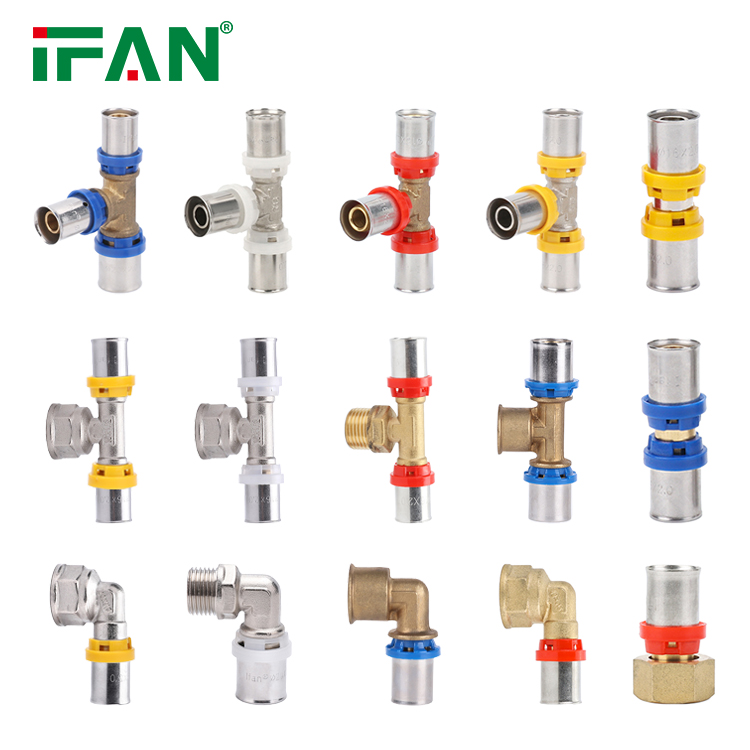
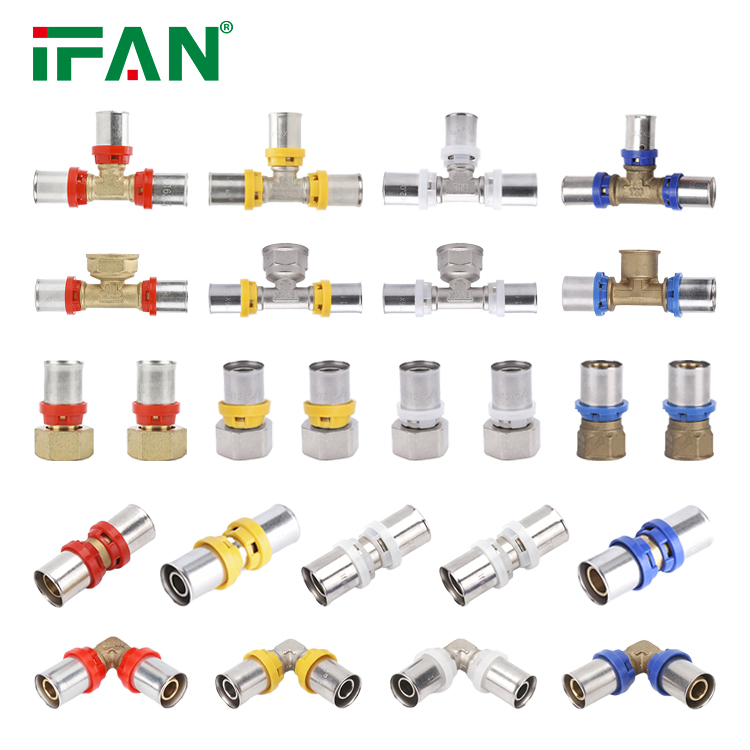
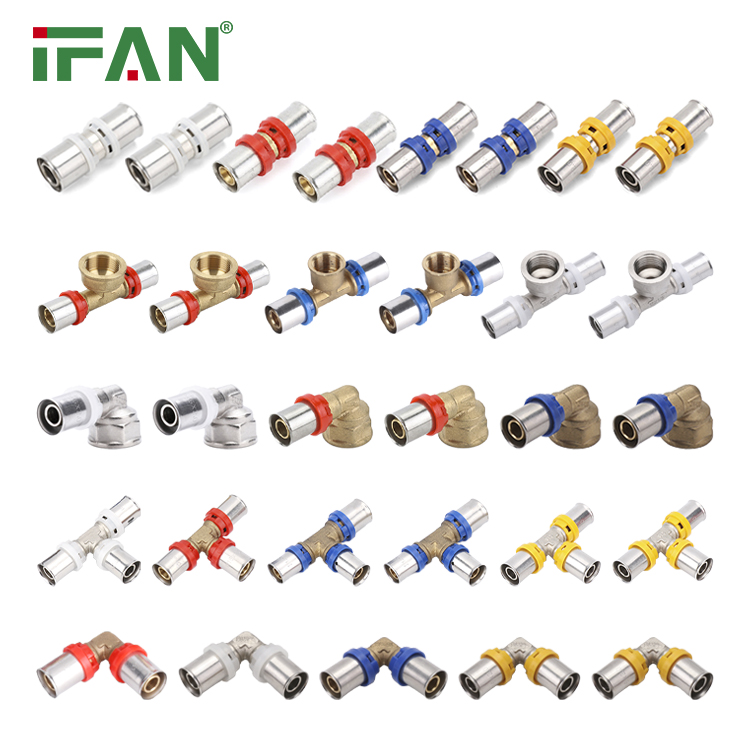
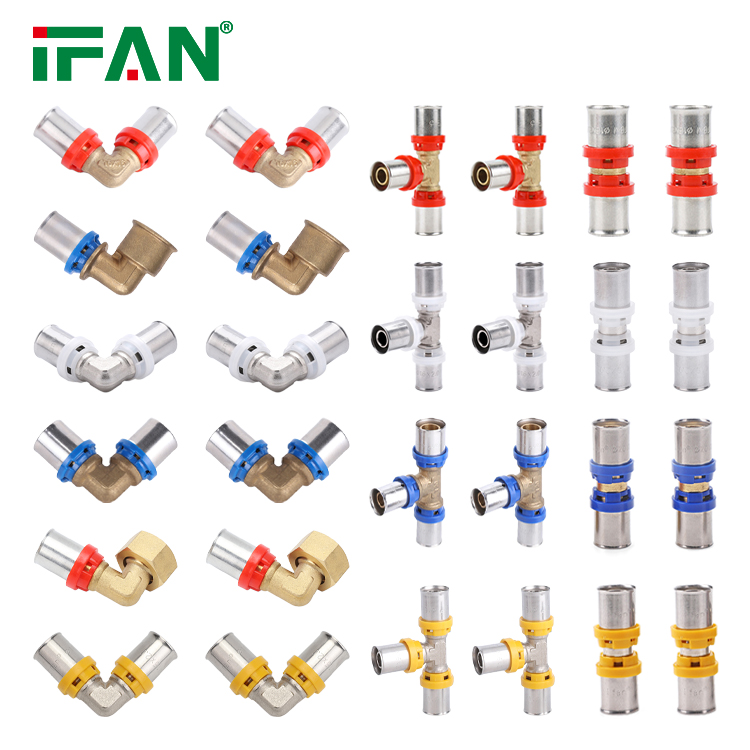
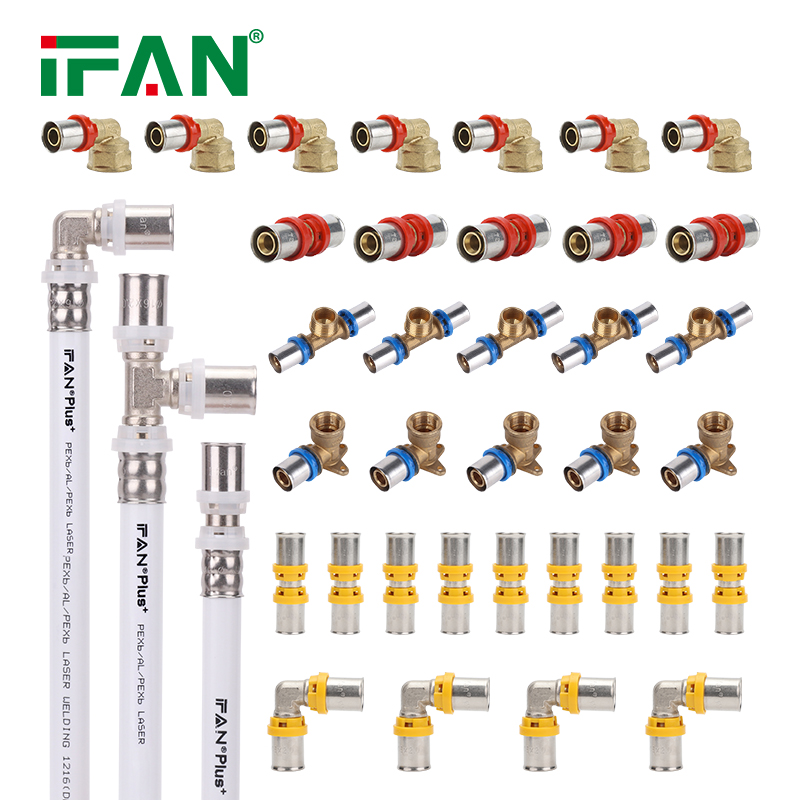
1. Brass or Poly Alloy Crimp Fittings
Used with copper or stainless steel crimp rings for secure connections.
2. Stainless Steel Clamps (Cinch Clamps)
Provide a strong seal and are resistant to corrosion, making them ideal for submersible applications.
3. Push-Fit (SharkBite) Fittings
Easy to use and reliable, though more expensive. Best for temporary or accessible connections, not for long-term submersion.
4. Compression Fittings
Used in high-pressure systems or where heat-based installation isn’t feasible.
Make sure to pair fittings with high-grade Teflon tape or appropriate thread sealant to prevent leaks in high-pressure environments.
Installation Tips for PEX Pipe in Deep Wells
- Always use continuous coils of PEX pipe to avoid unnecessary joints.
- Use a torque arrestor to reduce stress on the pipe from pump vibrations.
- Install a pitless adapter for clean and efficient pipe exit at the well casing.
- Secure the PEX pipe vertically using well pipe centralizers to avoid abrasion inside the well casing.
Limitations to Consider
While PEX pipe offers many advantages, there are a few considerations:
- UV Sensitivity: PEX should not be exposed to direct sunlight for long periods. Bury or insulate exposed sections.
- Depth Limitations: For extremely deep wells (over 400 ft), pressure rating must be verified.
- Pipe Movement: In high-flow systems, pipe motion can cause wear at contact points if not properly secured.
Environmental Impact and Safety
PEX pipes are recyclable and generally safer for the environment than metal alternatives that corrode and release particulates. Additionally, they’re BPA-free and have low levels of extractables, making them ideal for drinking water.
Lifespan testing shows PEX pipes can last 25-50 years, depending on water quality and installation quality.
Case Example: PEX in a 200-Foot Agricultural Well
In rural Arizona, a farmer replaced old galvanized pipes with PEX-B in a 200-foot deep well. The new system reduced pump strain and maintenance costs by 40%. Water clarity improved as the pipe did not release rust or particulates.
Conclusion
For anyone building or upgrading a deep well system, choosing the right water pipes and fittings is not just about cost—it’s about safety, longevity, and efficiency. PEX pipe stands out as a modern, high-performance solution that meets the demands of deep well applications.
Its flexibility, corrosion resistance, and ease of installation make it the recommended choice for water professionals around the world. When paired with the right fittings and installation methods, PEX pipes offer unmatched reliability—even hundreds of feet below ground.
Frequently Asked Questions (FAQ)
1. Can I use PEX pipe in a deep well with a submersible pump?
Yes. PEX pipe is highly recommended for deep wells, especially when installed with a torque arrestor and centralizers to reduce pipe movement.
2. How deep can I safely install PEX pipe?
PEX pipe can typically be used for wells up to 300–400 feet, depending on pipe diameter and pressure ratings. Always consult manufacturer specifications.
3. Is PEX pipe better than PVC for deep wells?
Yes, especially for deeper wells or installations in cold climates. PEX is more flexible, durable, and resistant to freezing and scaling.
4. What fittings should I use with PEX in a deep well system?
Stainless steel cinch clamps or brass crimp fittings are the most reliable for deep well installations.
5. Does PEX pipe affect water taste or quality?
No. Certified PEX pipes are tested and approved for potable water, and they do not leach chemicals or alter water taste.