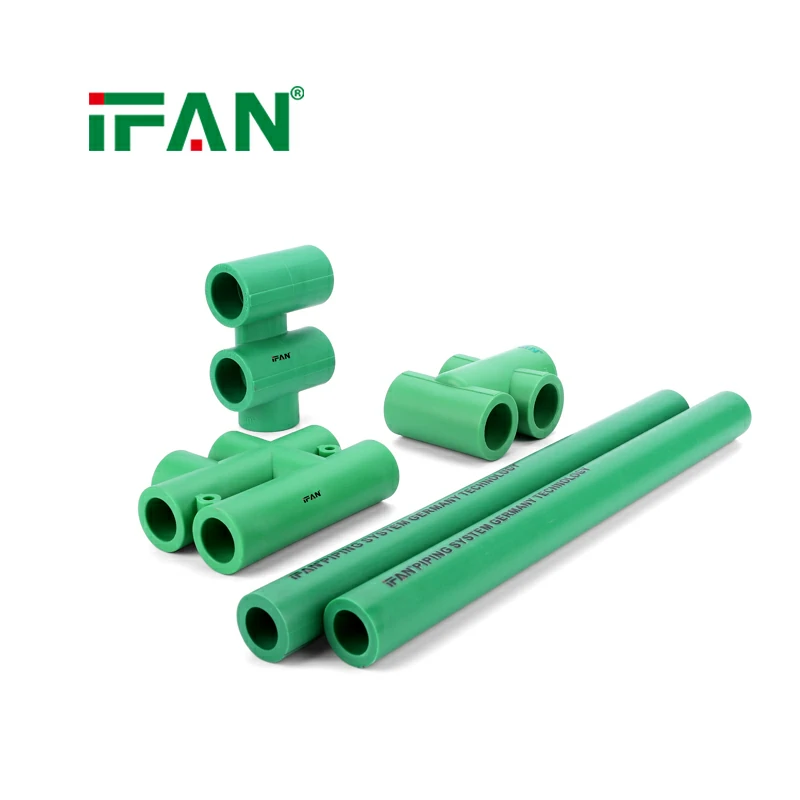
Introduction
The Sahelian region of Africa, including Mauritania, faces a unique set of challenges in terms of infrastructure, public health, and access to resources. Among these challenges, improving access to clean water and efficient sanitation systems is crucial. PPR fittings, which are integral components in water distribution systems, play a critical role in enhancing the region’s infrastructure. In parallel, Mauritania, like many Sahelian countries, faces ongoing public health issues, such as the need for effective vaccination strategies. This article explores the intersection of water infrastructure improvement using PPR fittings and public health efforts, specifically vaccination strategies, in the context of Mauritania’s development.
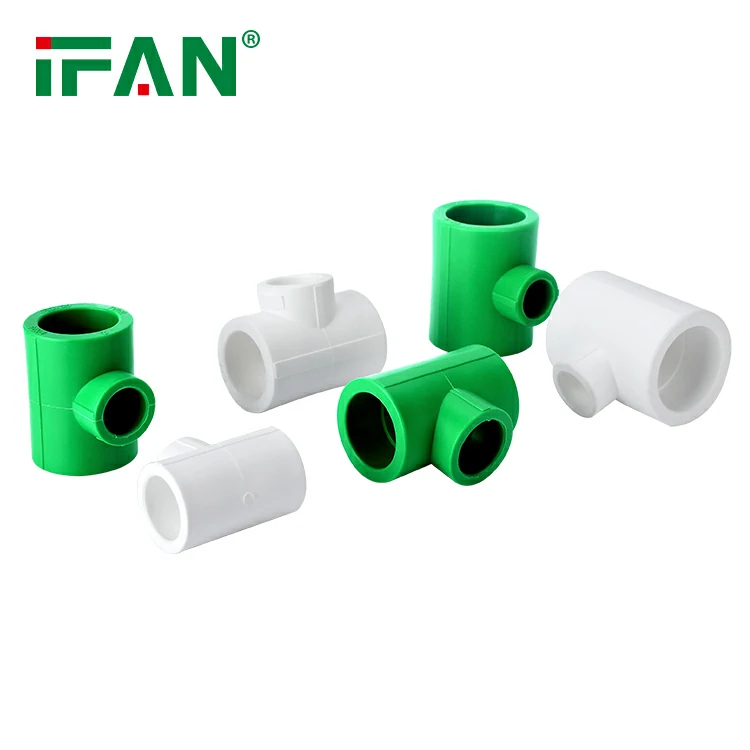
Understanding PPR Fittings in Mauritania’s Water Infrastructure
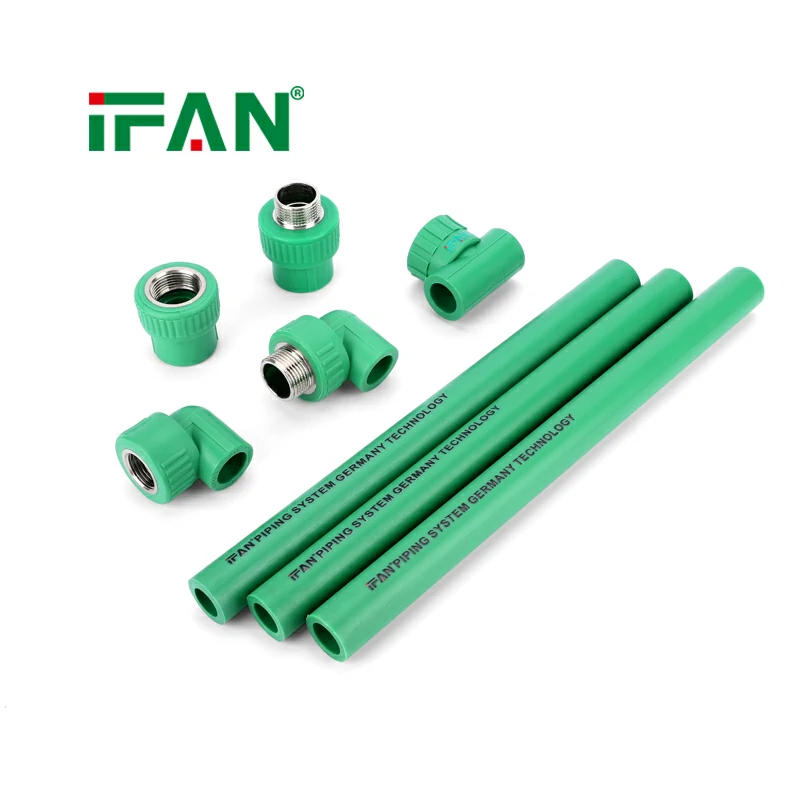
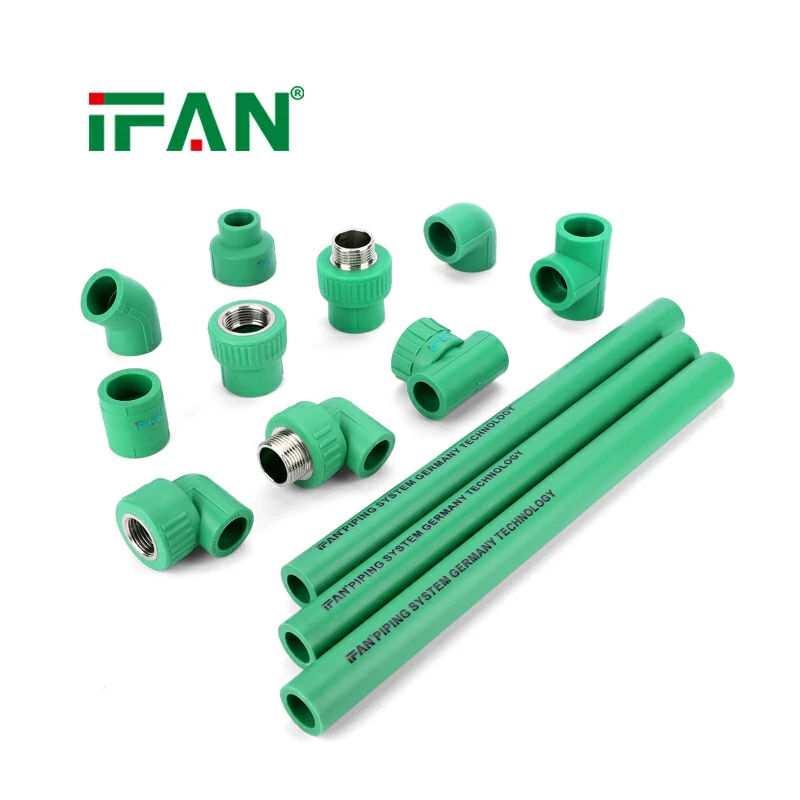
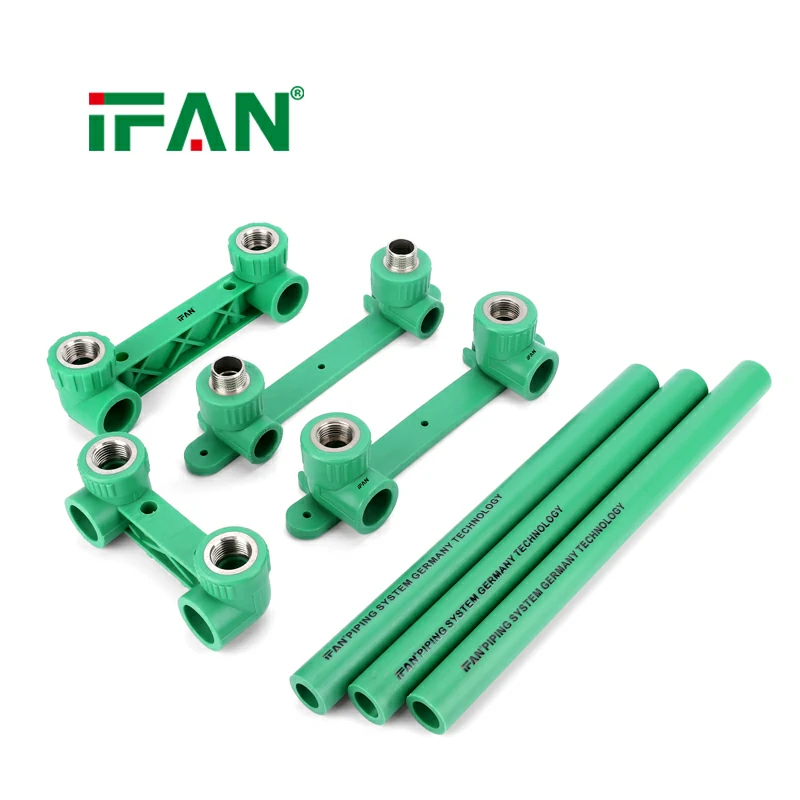
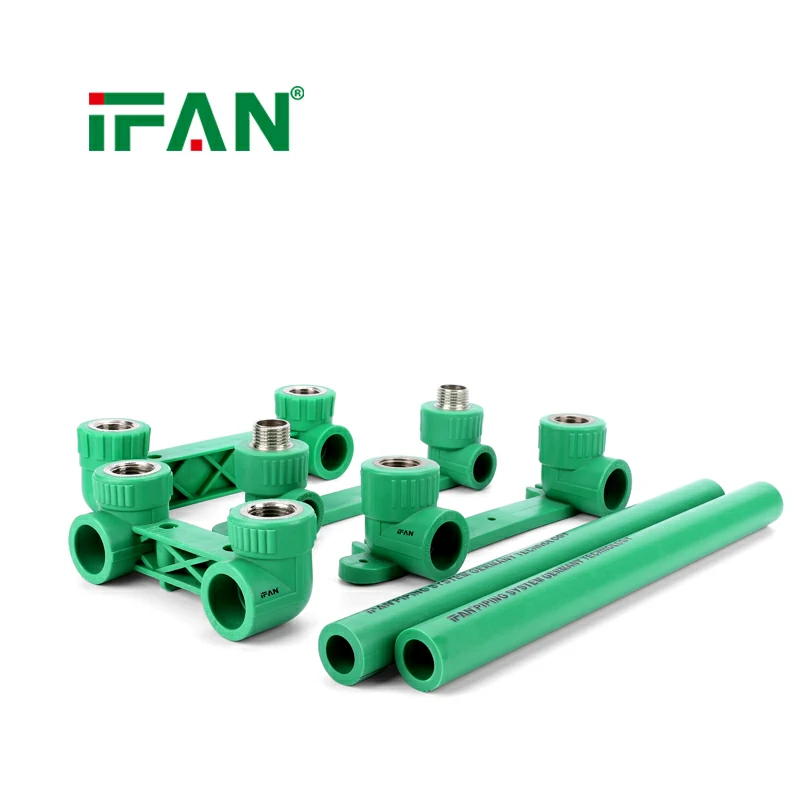
PPR fittings (Polypropylene Random Copolymer fittings) are a crucial part of modern water distribution systems. Made from a highly durable thermoplastic material, these fittings offer significant advantages over traditional materials, such as metal pipes. Their resistance to corrosion, chemical exposure, and high temperatures makes them ideal for both urban and rural water supply systems in harsh climates, like those in Mauritania.
In Mauritania, where arid and semi-arid conditions prevail, reliable access to clean water is a vital issue. The country has invested in modernizing its water infrastructure, particularly in rural areas, where access to clean water remains limited. PPR fittings have been instrumental in the development of new pipelines and distribution networks, enabling a more reliable and long-lasting water supply system.
The adoption of PPR fittings has helped Mauritania address the following key challenges:
- Water Contamination: Due to corrosion and leakage in traditional water systems, contaminants often seep into the water supply. PPR fittings, being corrosion-resistant, prevent such contamination and ensure cleaner water.
- Durability: In regions where extreme heat and dry conditions are common, materials like metal pipes often degrade. PPR fittings can withstand such conditions, leading to fewer repairs and longer-lasting infrastructure.
- Cost-Effectiveness: PPR fittings are more affordable than traditional metal systems, which makes them a viable option for Mauritania’s growing infrastructure needs, particularly in rural areas with limited budgets.
Mauritania’s Public Health Challenges: Vaccination Strategy and Infrastructure
While PPR fittings have addressed critical infrastructure needs, Mauritania’s public health challenges are multifaceted. One of the most pressing concerns is vaccination—specifically, reaching remote areas with effective vaccines and ensuring proper cold storage.
Vaccination in Mauritania has made significant progress, but the country still faces hurdles, such as:
- Geographical Barriers: Mauritania’s vast desert regions and sparsely populated areas make it difficult to ensure all citizens have access to vaccines. Long distances, poor road conditions, and a lack of efficient transportation systems often delay or limit the reach of vaccination campaigns.
- Cold Chain Maintenance: The effectiveness of vaccines depends on maintaining them at the correct temperature, from the production site to the distribution point. PPR fittings can help by ensuring that water systems are in place for rural health centers that rely on water for sterilization, refrigeration, and sanitation.
- Public Awareness: There is a need for community engagement and education regarding the importance of vaccinations, particularly in rural regions where misinformation and traditional beliefs may pose barriers.
Integrating PPR Fittings into Vaccination Strategy and Health Infrastructure
While PPR fittings may seem like an unrelated aspect of vaccination efforts, there is a synergy between water infrastructure and public health systems. Water supply systems and vaccination programs must work together to improve overall health outcomes. Here’s how PPR fittings can indirectly support Mauritania’s vaccination strategy:
- Improved Health Facility Infrastructure: Health centers in rural areas rely on clean water for various purposes, including cleaning, sterilizing medical equipment, and cooling vaccine refrigerators. The use of PPR fittings in these facilities ensures that the water supply is reliable, which is essential for maintaining the effectiveness of vaccines. A constant water supply also aids in maintaining hygiene standards, preventing outbreaks of preventable diseases.
- Mobile Vaccination Units: Mobile health units play a key role in reaching remote populations. These units need an efficient water system for sterilization, cooling, and hygiene. PPR fittings can help design compact, durable water systems that are easy to transport and install in such mobile units, ensuring they are equipped to handle vaccination drives in even the most remote parts of Mauritania.
- Cold Chain Reliability: Vaccines must be stored within specific temperature ranges to remain effective. By improving water access and hygiene in local health centers through PPR fittings, these facilities can maintain the necessary infrastructure for storing vaccines in cold conditions.
What Vaccination Strategy is Best for Mauritania?
Given the challenges Mauritania faces in vaccination, an integrated strategy that combines infrastructure improvements, community engagement, and targeted vaccine distribution is essential. Here are key components of an effective vaccination strategy for Mauritania:
- Expansion of Vaccination Coverage: Focus on expanding immunization services to rural and hard-to-reach areas using mobile health units and community-based approaches. Integrating water and sanitation improvements via PPR fittings in these regions is crucial for the success of vaccination campaigns.
- Cold Chain Optimization: Establish a robust cold chain system for vaccines, ensuring reliable refrigeration from the manufacturing site to the distribution point. This system should be supported by a reliable water supply in health facilities, facilitated by PPR fittings.
- Community Awareness Campaigns: Educate communities on the importance of vaccinations and dispel myths that prevent vaccine acceptance. Utilizing local leaders and healthcare workers in this process can enhance trust and increase vaccine uptake.
- Collaboration with International Organizations: Collaborating with international health organizations such as the WHO and UNICEF can help address logistical challenges, such as the transportation of vaccines and medical supplies, while leveraging their expertise in vaccination strategies.
Conclusion
The recognition of PPR fittings in Mauritania’s growing infrastructure is crucial not only for improving access to clean water but also for supporting the public health system. By ensuring that health centers have reliable water access for sterilization and cold storage, PPR fittings can help optimize vaccination efforts. Mauritania’s vaccination strategy should integrate infrastructure development, particularly in rural areas, to maximize coverage and ensure that vaccines are delivered and stored properly. As the country continues to develop its water infrastructure with PPR fittings, it will be better equipped to face both water-related and vaccine-preventable health challenges.
Frequently Asked Questions (FAQ)
- What are PPR fittings, and why are they important in Mauritania?
PPR fittings are plumbing components made from a durable thermoplastic material that resists corrosion and high temperatures. They are crucial for ensuring reliable water supply systems in Mauritania, especially in rural areas, contributing to both sanitation and healthcare efforts. - How do PPR fittings help in vaccination strategies?
PPR fittings ensure that health facilities have reliable water access for sterilization and cooling of vaccines, which are essential to maintaining the cold chain and hygiene standards in rural areas. - What are the main challenges to vaccination in Mauritania?
The challenges include geographical barriers, cold chain maintenance, and public awareness, all of which can be mitigated through better infrastructure and community engagement. - Why is cold chain management crucial for vaccines?
Vaccines require specific temperature ranges to maintain their efficacy. Proper cold chain management ensures that vaccines are effective when administered, which is vital for preventing diseases. - How can mobile vaccination units benefit from PPR fittings?
Mobile vaccination units require a reliable water system for sterilization and cooling. PPR fittings help create durable, transportable water systems, ensuring that these units can operate effectively in remote areas.