Ethiopia, with its rapidly growing economy, is making strides to improve its industrial capabilities and reduce reliance on foreign imports. One of the significant steps taken towards achieving self-sufficiency is the establishment of a PPR fitting system factory. PPR (Polypropylene Random Copolymer) fittings are essential components in plumbing, and the creation of this factory is set to boost local production while contributing to import substitution and expanding export trade. This article explores the importance of the PPR fitting system factory in Ethiopia and its role in encouraging economic growth, trade, and sustainable development.
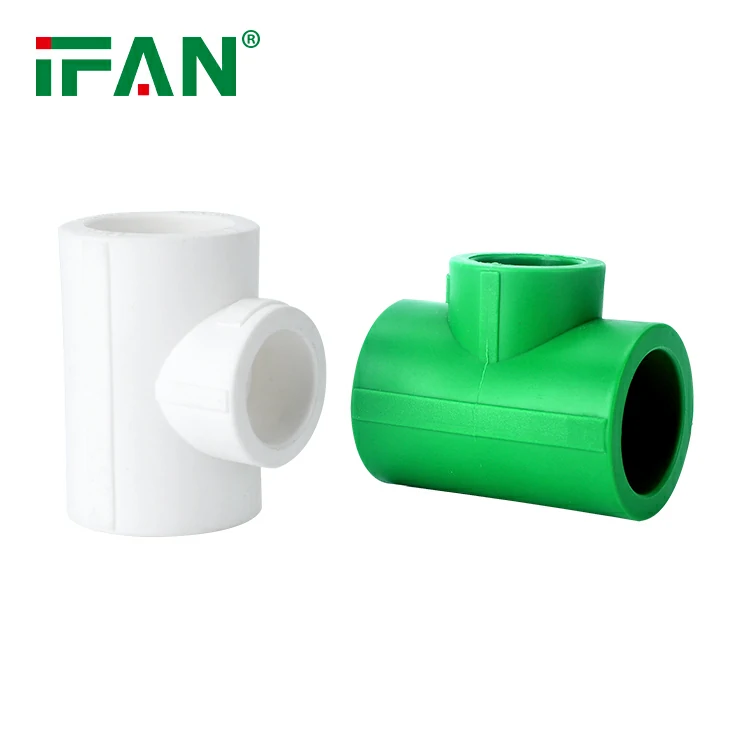
The Significance of PPR Fitting Systems in Ethiopia
PPR fittings are used widely in plumbing systems for both residential and industrial applications. These fittings are favored due to their durability, resistance to high temperatures, and long lifespan. In Ethiopia, like many other developing nations, the construction and infrastructure industries are expanding rapidly. As the demand for PPR fittings increases, the local supply must match this growth to avoid over-reliance on imports.
The establishment of a local PPR fitting system factory is a game-changer for the country, as it will address several pressing economic concerns. Import substitution is one of the key goals behind the factory’s establishment. By producing PPR fittings locally, Ethiopia can reduce its dependence on foreign suppliers, which will not only save valuable foreign exchange but also create more jobs and foster a competitive local industry.
Encouraging Import Substitution
Import substitution is a strategy that encourages local production of goods that are traditionally imported. In Ethiopia, the majority of plumbing components, including PPR fittings, are imported, resulting in high costs for both consumers and businesses. These imports drain the country’s foreign exchange reserves and hinder the growth of the local manufacturing sector.
The new PPR fitting system factory aims to change this by providing high-quality, locally produced fittings at competitive prices. This move is expected to significantly reduce the need for imports, benefiting the Ethiopian economy in multiple ways:
- Cost Savings: By manufacturing PPR fittings locally, the costs associated with importing these components—such as shipping, tariffs, and middlemen—will be eliminated, lowering prices for consumers and businesses alike.
- Job Creation: Establishing a local factory creates employment opportunities for Ethiopians, from factory workers to management, research and development, and marketing staff. This reduces unemployment and provides valuable skill-building opportunities.
- Encouraging Innovation: As the factory ramps up production, it is expected that innovation in manufacturing processes will increase, leading to the development of new technologies and techniques that can be applied to other industries.
- Reduced Dependency: Import substitution promotes self-sufficiency, allowing Ethiopia to reduce its dependency on foreign suppliers, particularly for critical components like plumbing fittings. This is crucial for a country that is working to build a resilient economy.
Expanding Export Trade
While import substitution is a key goal, the factory’s potential to expand export trade is equally important. Ethiopia is strategically located in the Horn of Africa, with access to major international markets, including the Middle East, Asia, and Europe. By producing high-quality PPR fittings locally, Ethiopia can tap into these markets, promoting its products on a global scale.
The export potential of the PPR fitting system factory can bring significant economic benefits to the country:
- Revenue Generation: By exporting locally produced fittings, Ethiopia can earn valuable foreign exchange, which can be reinvested into other sectors of the economy, such as education, healthcare, and infrastructure.
- Building International Reputation: Producing high-quality products for export will help Ethiopia build a reputation as a reliable manufacturer of plumbing components. This could lead to partnerships with international companies, further expanding Ethiopia’s presence in global markets.
- Market Diversification: Exporting PPR fittings diversifies Ethiopia’s market base. This will reduce the country’s reliance on traditional exports like coffee, textiles, and agriculture. By adding a manufactured product to its export portfolio, Ethiopia is creating a more balanced economy.
- Economic Growth: Expanding export trade can spur economic growth, creating new industries and opportunities. As the factory grows and demand increases, other sectors, such as logistics, retail, and technology, will benefit from the expanded economic activity.
Sustainable Development and Environmental Impact
In addition to the economic benefits, the PPR fitting system factory aligns with Ethiopia’s goals for sustainable development. PPR fittings are an environmentally friendly option for plumbing systems. They are durable, require less maintenance, and have a longer lifespan compared to traditional metal fittings, reducing waste in the long term. Moreover, the local production of PPR fittings will help lower the carbon footprint associated with the importation process, as fewer goods will need to be shipped internationally.
Conclusion
The PPR fitting system factory in Ethiopia is a significant milestone in the country’s efforts to foster import substitution and expand export trade. By providing high-quality, locally produced plumbing components, the factory will not only reduce the country’s reliance on foreign imports but also stimulate job creation, economic growth, and international trade. This initiative aligns with Ethiopia’s broader goals of economic diversification and sustainable development, making it a pivotal step in the nation’s industrial and economic transformation.
FAQs About the PPR Fitting System Factory in Ethiopia
1. What are PPR fittings used for?
PPR fittings are used in plumbing systems for connecting pipes. They are durable, heat-resistant, and ideal for both residential and industrial plumbing.
2. How does the PPR fitting system factory help Ethiopia’s economy?
The factory helps by reducing the need for imported plumbing components, creating local jobs, and generating export revenue, which contributes to economic growth.
3. What are the benefits of using locally produced PPR fittings?
Locally produced PPR fittings are more affordable due to the elimination of shipping and import taxes, and they promote self-sufficiency by reducing reliance on foreign suppliers.
4. How can the PPR fitting system factory impact Ethiopia’s export trade?
The factory can enhance Ethiopia’s export capabilities by producing high-quality plumbing components for international markets, generating foreign exchange and diversifying exports.
5. Is the production of PPR fittings environmentally friendly?
Yes, PPR fittings are environmentally friendly because they are durable, require less maintenance, and have a long lifespan, reducing waste. Local production also reduces the carbon footprint associated with imports.