Introduction
The Bloomington Fire Department has announced a vital new community service: becoming a permanent car seat fitting station. This initiative ensures that parents and caregivers have consistent, expert access to certified technicians who can properly install child safety seats, a task that is notoriously difficult to get right. While child safety and firefighting may seem unrelated to industrial manufacturing, the core concept of achieving a perfect, secure, and reliable fit creates a powerful and unexpected connection to the world of pipe press fittings. This article explores the fire department’s new role and how the universal principle of a correct installation is paramount in both saving lives and building robust systems.
A Lifesaving Community Service
The National Highway Traffic Safety Administration (NHTSA) estimates that nearly half of all car seats are misused. A improperly installed car seat can fail catastrophically in a collision, turning a safety device into a liability. The Bloomington Fire Department’s decision to establish a permanent fitting station addresses this critical public safety issue head-on. Certified Child Passenger Safety Technicians (CPSTs) at the station will provide hands-on assistance and education to caregivers, ensuring every car seat is installed according to the manufacturer’s exact specifications and the vehicle’s unique interior. This service is typically offered by appointment, making safety accessible and convenient for the community.
The Critical Importance of a “Perfect Fit”
The effectiveness of a child safety seat hinges entirely on one factor: achieving a perfect fit. This involves multiple precise criteria:
- Secure Attachment: The car seat must be anchored tightly to the vehicle’s seat using either the LATCH system or the seat belt, with minimal side-to-side or front-to-back movement at the belt path.
- Correct Recline Angle: Infant seats require a specific recline angle to prevent a baby’s head from flopping forward and obstructing their airway.
- Harness Fit: The harness straps must be snug against the child’s body and positioned at the correct height relative to the child’s shoulders.
- Compatibility: The design of the car seat must be compatible with the contours and features of the vehicle’s seat.
A failure in any one of these connections can compromise the entire system’s integrity during a crash.
An Industrial Parallel: The Science of Pipe Press Fittings
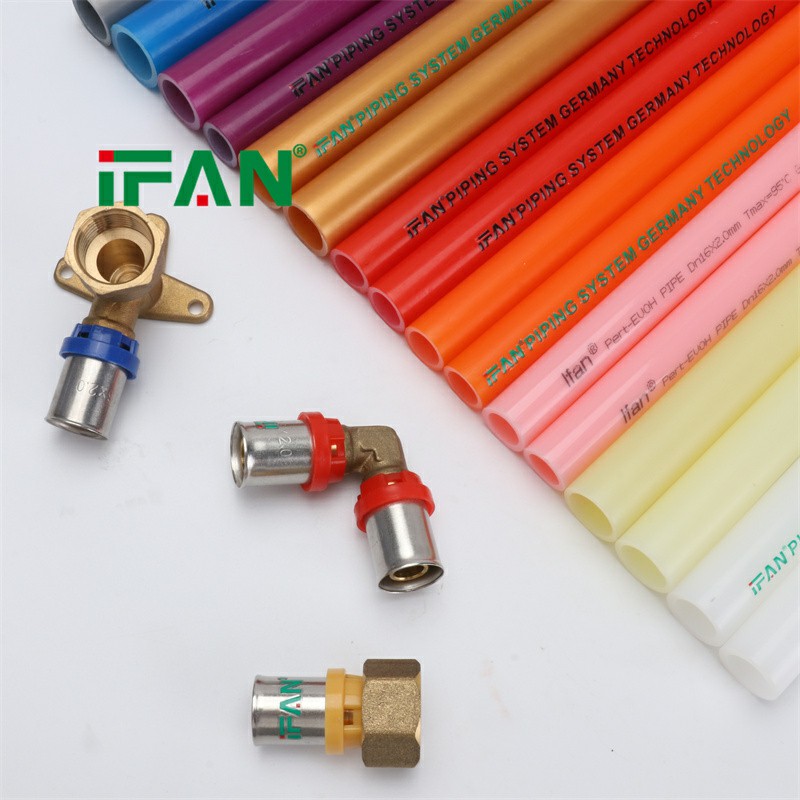
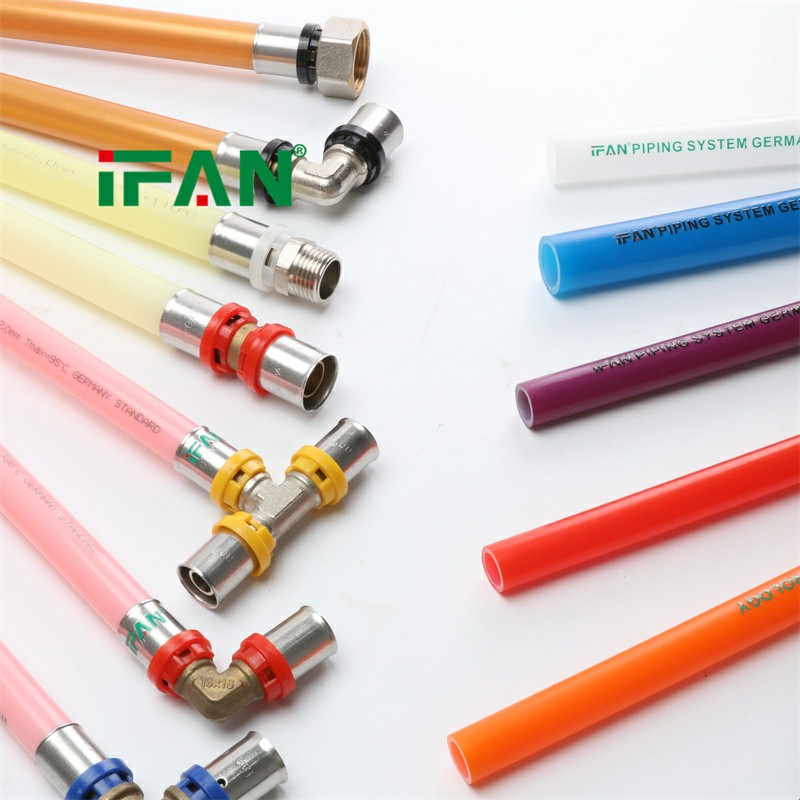
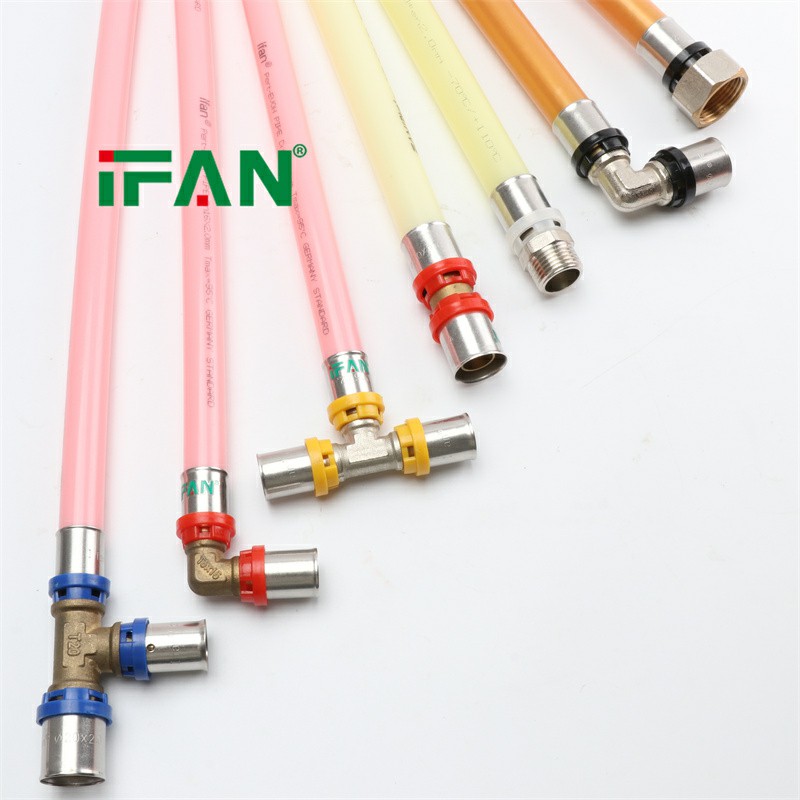
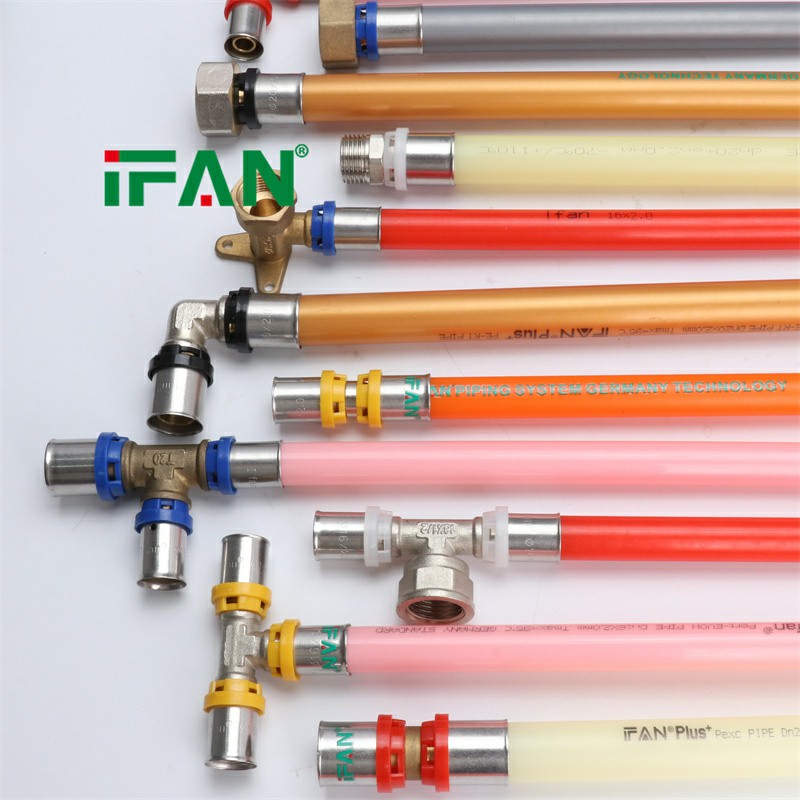
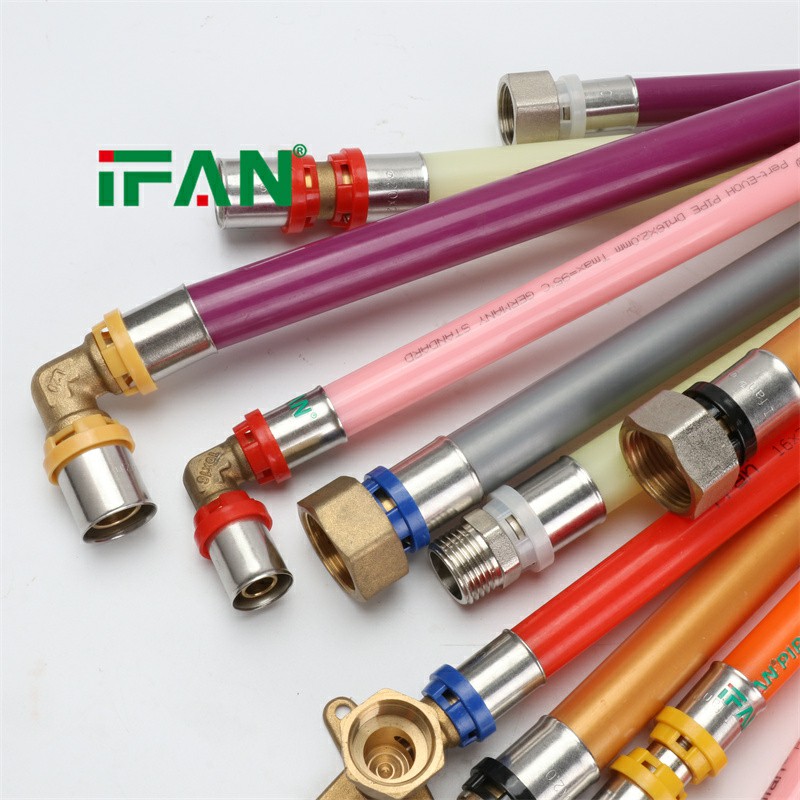
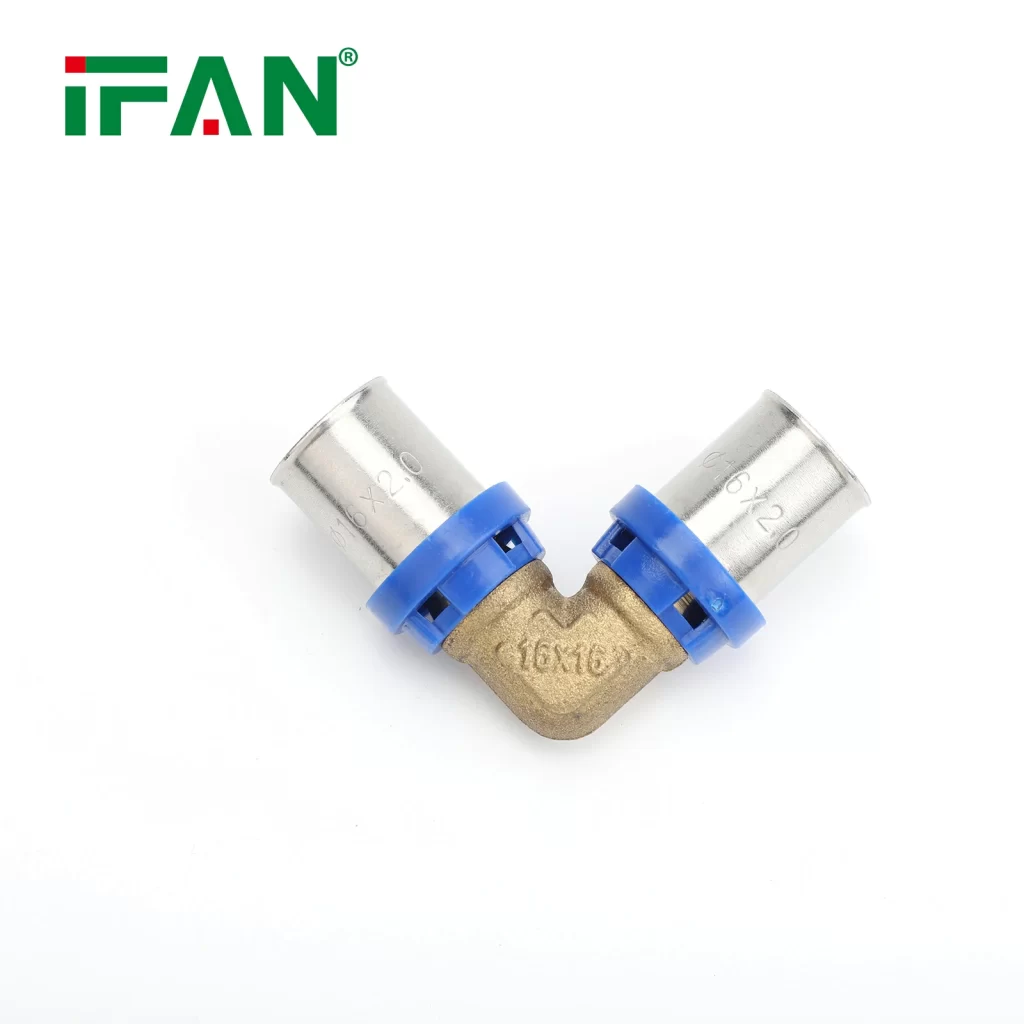
This lifesaving pursuit of a “perfect fit” has a direct counterpart in industrial and mechanical applications, specifically the installation of pipe press fittings. These fittings are used to create secure, leak-proof connections in plumbing, fire suppression, and hydraulic systems without the need for welding or threading.
The philosophy connecting a CPST and a pipefitter is identical: precision and reliability are non-negotiable.
- Precision Engineering: A pipe press fitting is manufactured to exact tolerances. Similarly, a car seat and a vehicle are designed to specific standards to ensure they can connect securely.
- Proper Installation is Key: The reliability of a pipe press fitting depends entirely on correct installation. The pipe must be cut cleanly, deburred, and fully inserted into the fitting before a calibrated pressing tool is applied. An improperly pressed fitting will leak or fail under pressure. Likewise, a car seat installed with a loose latch or twisted strap is primed for failure.
- System Integrity: In a building’s plumbing, a single failed fitting can cause flooding and significant damage. In a fire suppression system, it can render the entire system inoperable. In a vehicle, a single improperly fitted car seat can lead to tragedy. In both cases, the integrity of the entire system depends on the correctness of each individual connection.
The Fire Department’s Unique Role
Firefighters are inherently experts in response and prevention. Their understanding of the horrific consequences of traffic accidents provides a profound motivation to get car seat installation right. Their methodical, standards-based approach to equipment checks and procedures mirrors the exacting process required to install a pipe press fitting. By becoming permanent fitting station operators, they are applying their core skills—meticulous attention to detail, a commitment to safety codes, and a dedication to public protection—to a proactive, preventative mission.
Conclusion
The Bloomington Fire Department’s new permanent car seat fitting station is more than a community service; it is a testament to the universal importance of a secure connection. Whether it’s a life-saving child seat secured firmly in a minivan or a pipe press fitting sealed within a building’s critical infrastructure, the principle remains the same: a perfect, reliable fit is the foundation of safety and performance. This initiative powerfully demonstrates how expertise in one field, driven by a commitment to precision, can save lives in another.
FAQs
- Why is a permanent car seat fitting station important?
Studies show a high rate of car seat misuse. A permanent station provides consistent, expert access to certified technicians, drastically improving installation correctness and child passenger safety. - What do pipe press fittings have to do with car seats?
Both require a perfect, secure, and reliable fit to function correctly. The precision and zero-tolerance for error needed to install a leak-proof pipe press fitting is analogous to the precision needed to install a crash-proof car seat. - How does a car seat achieve a “secure fit”?
A secure fit is achieved by tightly fastening the seat to the vehicle using the LATCH system or seat belt (with less than 1 inch of movement at the belt path) and ensuring the child’s harness is snug against their body. - Who can use the Bloomington Fire Department’s fitting station?
The service is typically available to all parents, grandparents, and caregivers within the community, though it’s advisable to call ahead for an appointment with a certified technician. - What makes a pipe press fitting reliable?
The reliability comes from precision manufacturing and a calibrated installation process. A specialized pressing tool deform the fitting around the pipe, creating a permanent, uniform, and leak-proof seal that is often stronger than the pipe itself.