Introduction: What Do Fantasy Football and PPR Fittings Have in Common?
Welcome to your Week 11 Fantasy Football Hot Takes — where the focus is on PPR formats, breakout performances, and yes… PPR fittings. While one is about scoring points in receptions, the other is about building strong, leak-proof plumbing systems. But the common thread? Reliability, performance under pressure, and long-term value.
In this edition of “PPR Fittings Hot Takes,” we’ll take a close look at three key fantasy players: Mark Andrews, Khalil Shakir, and Justin Herbert — and draw comparisons to the essential qualities of PPR fittings, which are quickly becoming the gold standard in modern plumbing systems.
Let’s dive in.
Hot Take #1: Mark Andrews – The Elite Tight End (Like High-Pressure PPR Fittings)
Mark Andrews continues to be a dominant force in PPR fantasy formats. Despite the tight end position being notoriously volatile, Andrews provides weekly stability, averaging over 6 targets per game and boasting one of the highest red-zone usage rates among TEs.
Why He’s Like PPR Fittings:
- Consistency: Andrews is as reliable as a properly heat-fused PPR fitting — no leaks, no surprises.
- Built to Last: Like fittings rated for 50 years, Andrews is built for dynasty formats too.
- Pressure Tested: Whether it’s third down or goal-line, he thrives under pressure — just like PPR pipe fittings in high-pressure HVAC systems.
Hot Take: Andrews isn’t just a TE1 — he’s a fantasy foundational piece, just like PPR fittings are foundational to modern plumbing.
Hot Take #2: Khalil Shakir – Under-the-Radar Like Unseen PPR Connections
Khalil Shakir’s usage has quietly been increasing, and in Week 11, he flashed big-play ability with excellent route running and reliable hands. He’s not yet a must-start in all formats, but he’s creeping into flex-worthy territory — especially in deeper PPR leagues.
Why He’s Like PPR Fittings:
- Hidden Value: Like the PPR fittings you don’t see behind walls, Shakir does the dirty work without the spotlight.
- Efficiency: Limited snaps, maximum yardage — just like PPR fittings that reduce pressure loss in fluid systems.
- Emerging Talent: Much like how the plumbing industry is shifting from metal to PPR fittings, fantasy players may soon shift from aging WRs to hidden gems like Shakir.
Hot Take: Stash him now. In deeper leagues or dynasty formats, Shakir could become a valuable PPR flex starter down the stretch.
Hot Take #3: Justin Herbert – Flashy Performance, Needs Support (Like Smart PPR Installations)
Justin Herbert remains one of the most talented quarterbacks in the NFL, but fantasy output has been inconsistent due to drops, O-line issues, and offensive injuries. While the talent is undeniable, fantasy managers need to temper expectations unless his supporting cast improves.
Why He’s Like PPR Fittings:
- High Potential: When installed correctly, PPR fittings support full system optimization. Herbert is the same — he needs a clean system (O-line + WRs) to thrive.
- Versatility: PPR fittings can handle hot, cold, or high-pressure systems. Herbert can succeed in shootouts, comebacks, or conservative schemes.
- Requires Precision: Just as improper welding of PPR fittings can cause failure, poor play-calling or execution can limit Herbert’s fantasy ceiling.
Hot Take: He’s still a top-10 QB rest of season, but don’t treat him as matchup-proof. Think of him as a high-performance system that depends on perfect conditions — just like advanced PPR infrastructure.
What Are PPR Fittings (For Real)?
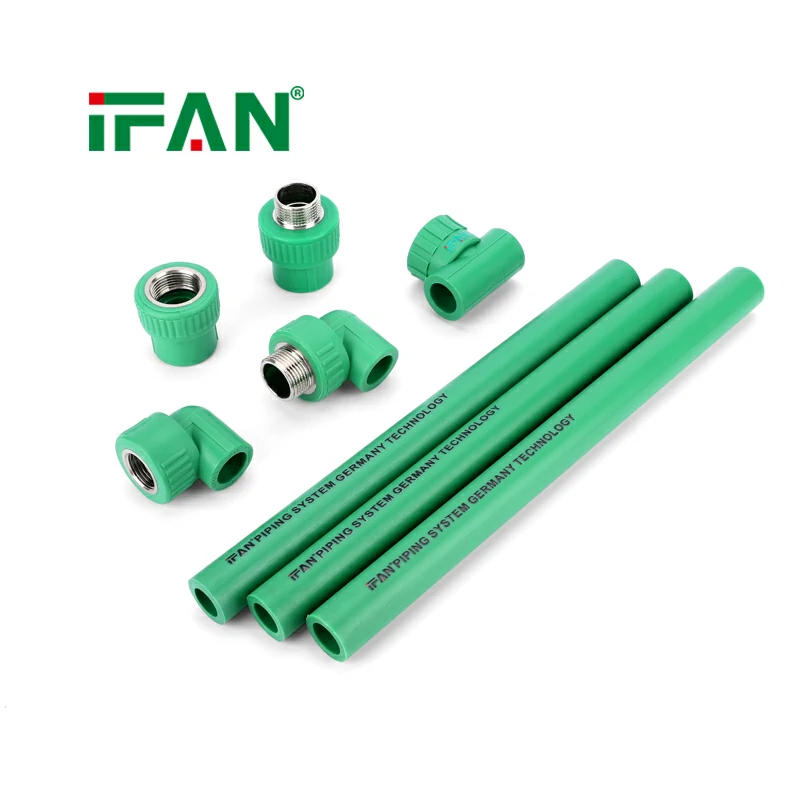
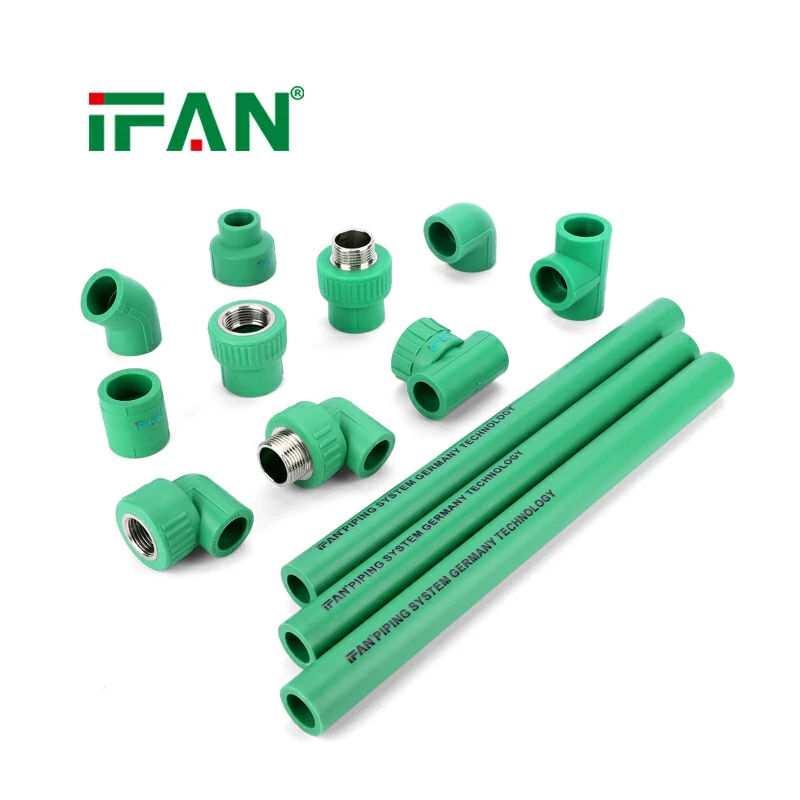
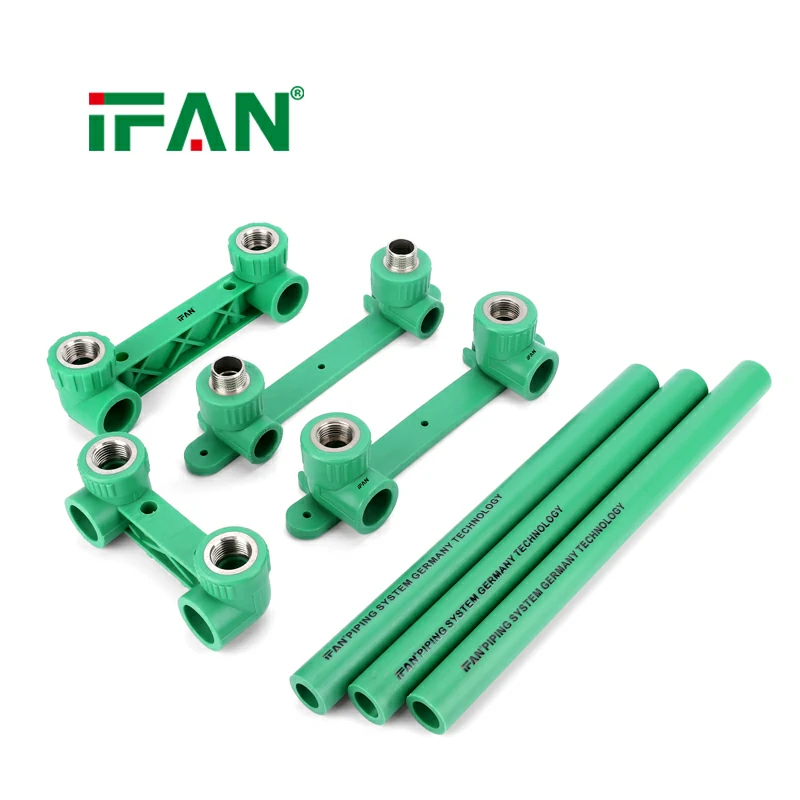
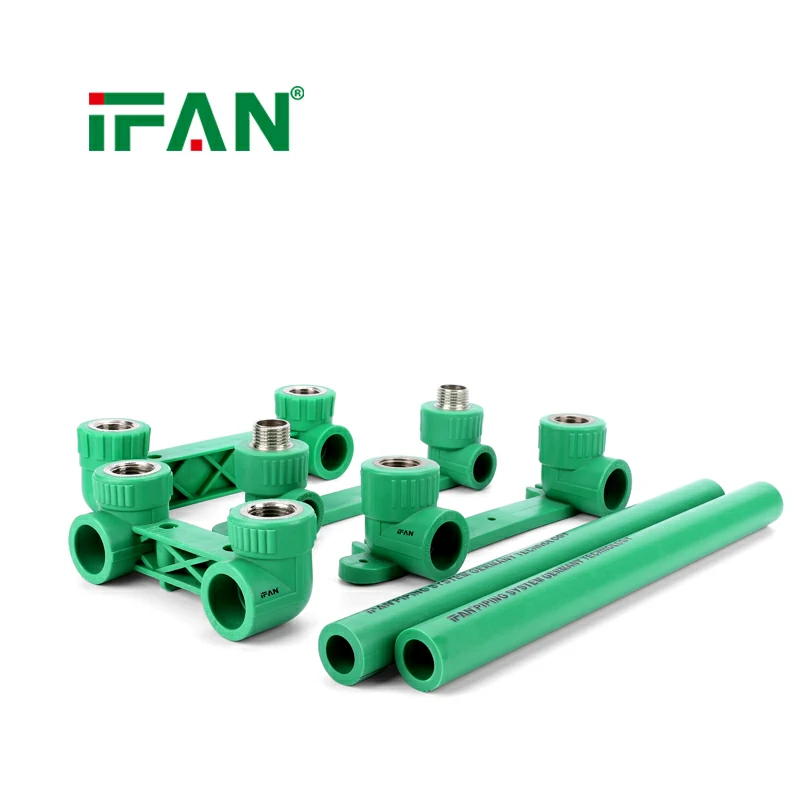
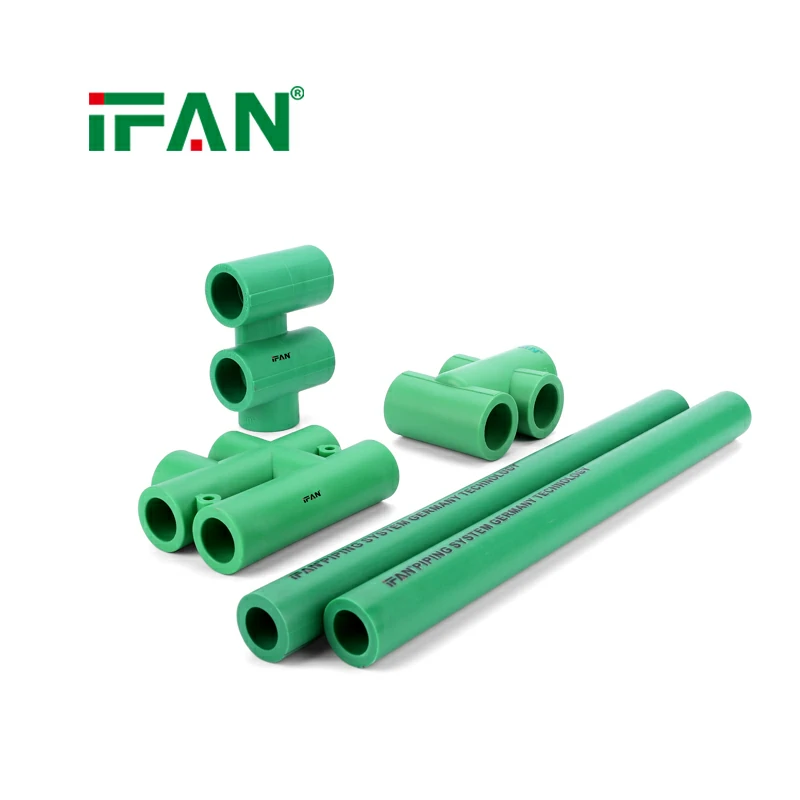
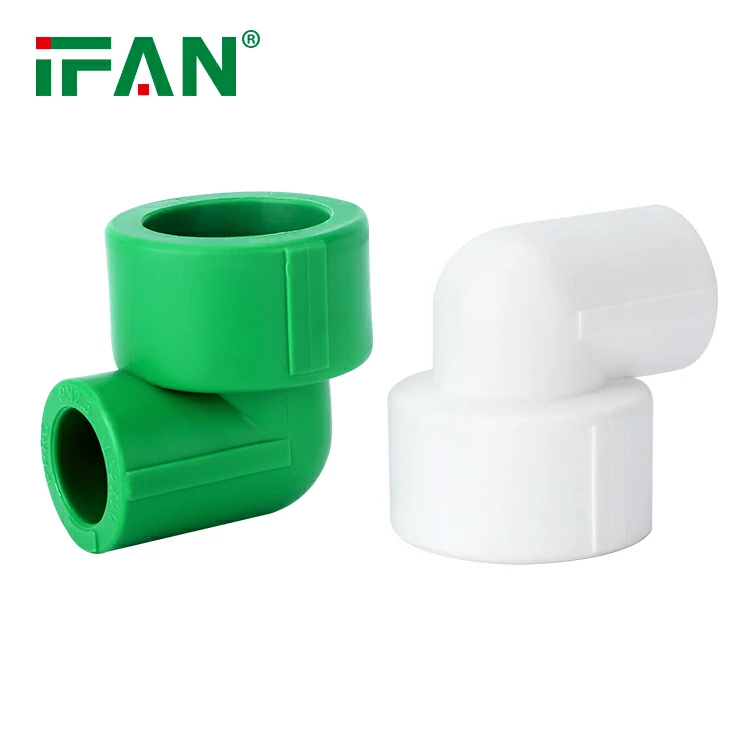
Let’s pivot to the literal meaning of PPR fittings — a critical component in plumbing systems worldwide. These are Polypropylene Random Copolymer components used to connect PPR pipes for efficient water and fluid transport.
Key Benefits of PPR Fittings:
- Corrosion Resistance: No rust or scaling — perfect for clean water systems.
- Durability: Lasts up to 50 years under proper conditions.
- Eco-Friendly: 100% recyclable and non-toxic.
- High Performance: Can handle temperatures up to 95°C and pressure over 20 bar.
Whether you’re managing a fantasy roster or constructing a building, you want efficiency, reliability, and long-term performance — and PPR fittings offer just that.
Final Thoughts
Fantasy Football success requires strategy, foresight, and reliable players — just like any solid piping system needs dependable components. In Week 11, Mark Andrews showed why he’s a TE anchor, Khalil Shakir gave us a sneak peek at breakout potential, and Justin Herbert reminded us that elite talent still needs support.
Likewise, PPR fittings prove that small, often overlooked parts can make the biggest difference — whether it’s in your home’s plumbing or your fantasy team’s championship run.
So next time you think about “PPR,” remember — it’s not just about points per reception, it’s also about the precision and power of modern fittings keeping everything flowing smoothly.
Frequently Asked Questions (FAQ)
1. What does “PPR” stand for in PPR fittings?
PPR stands for Polypropylene Random Copolymer, a type of plastic used in plumbing systems for its high durability and resistance to temperature and pressure.
2. Are PPR fittings the same as PVC fittings?
No. PPR fittings offer better temperature and pressure resistance compared to PVC and are often used in hot and cold water supply systems.
3. How long do PPR fittings last?
PPR fittings can last up to 50 years under proper installation and normal operating conditions.
4. Can PPR fittings be used for drinking water systems?
Yes. PPR fittings are non-toxic, corrosion-free, and safe for potable water applications.
5. How are PPR fittings installed?
They are installed using heat fusion welding, which creates a seamless, leak-proof joint by melting the pipe and fitting together.