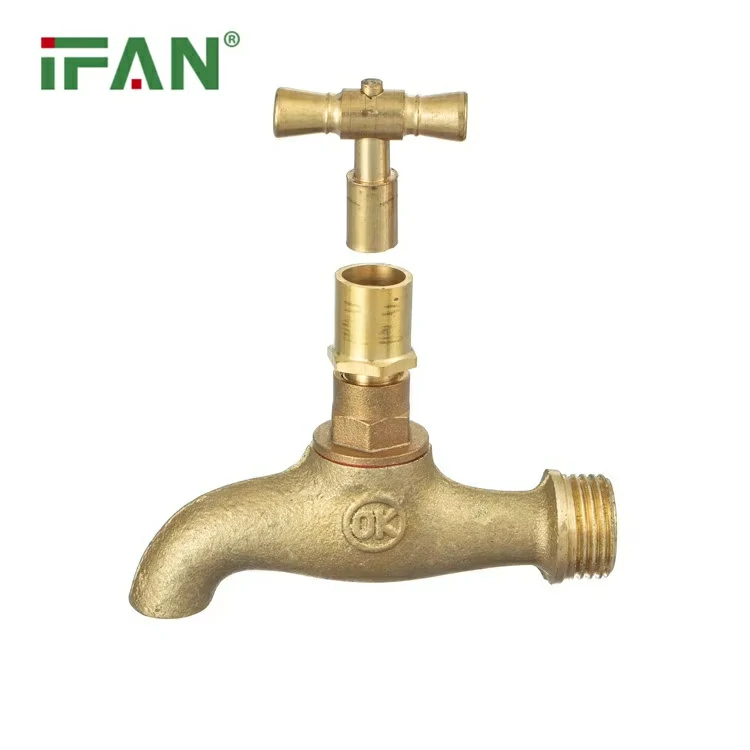
Choosing the right check valve material is important for plumbing, water supply, industrial piping, and HVAC systems. Two common options are brass non return valves and stainless steel check valves. Both products prevent backflow, but they perform differently under pressure, temperature, and chemical exposure. Understanding these differences helps engineers, contractors, and buyers select the correct valve for long-term performance.
What Is a Non Return Valve?
A non return valve, also called a check valve, allows fluid to flow in one direction only. It automatically closes when reverse flow occurs. These valves protect pumps, pipelines, water heaters, and industrial equipment from back pressure and contamination.
Brass non return valves and stainless steel check valves share the same working principle. However, their body materials create major differences in durability, corrosion resistance, and application range.
Brass Non Return Valve Overview
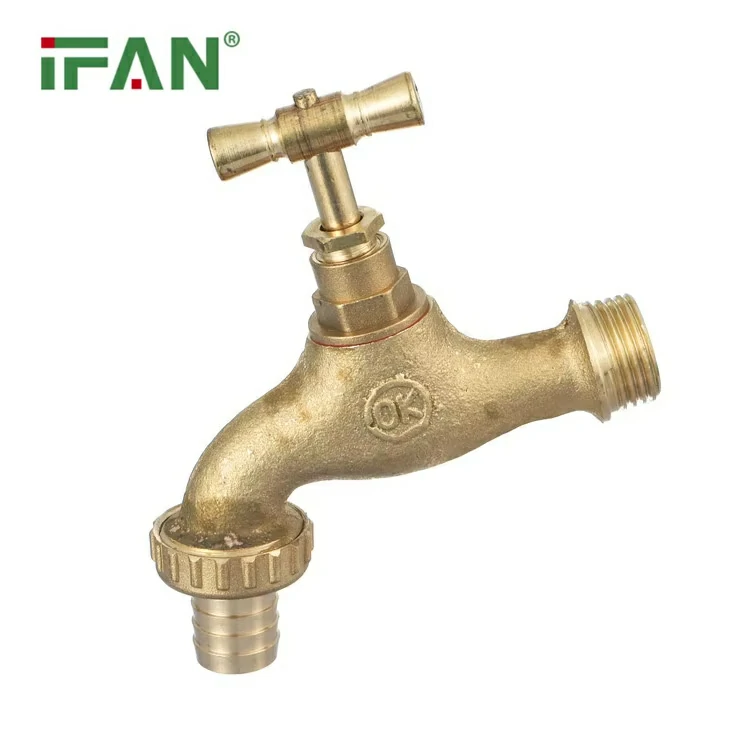
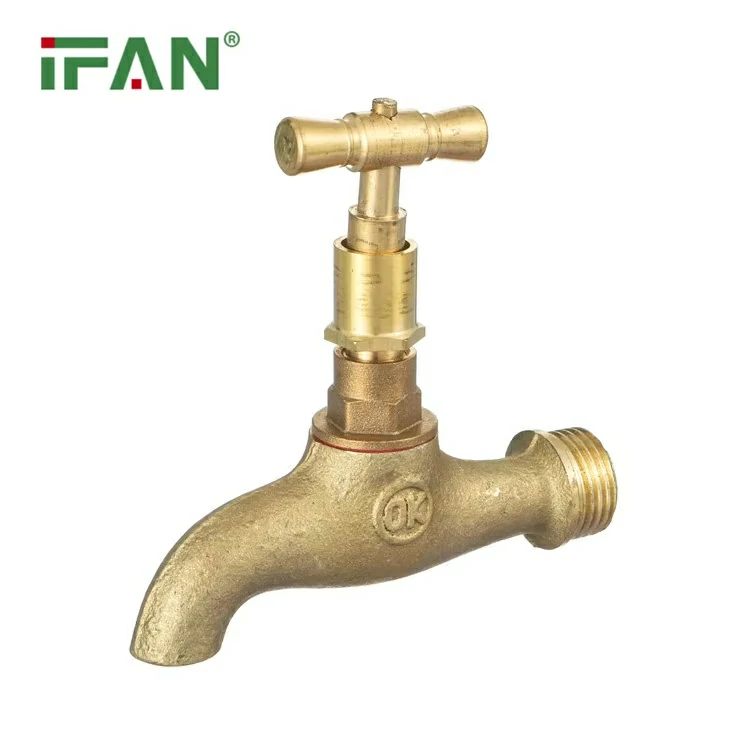
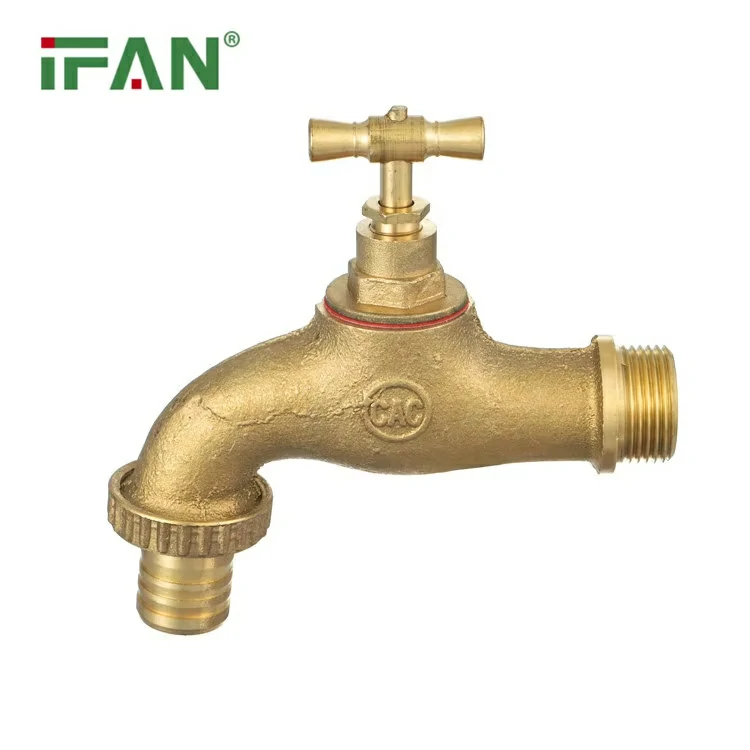
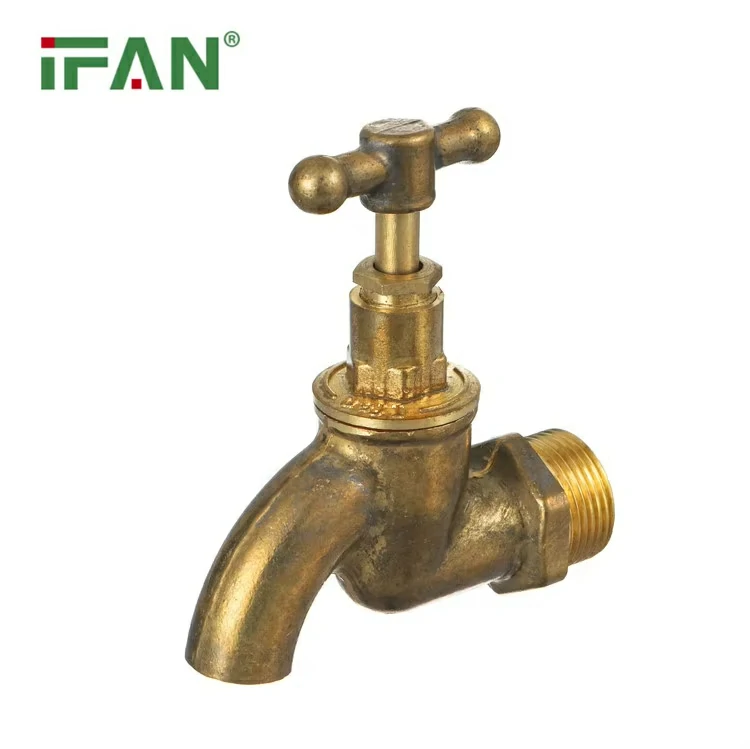
Brass non return valves are widely used in residential plumbing and commercial water systems. Brass is an alloy mainly made of copper and zinc. It offers good strength and reliable corrosion resistance in normal water environments.
Advantages of Brass Non Return Valves
Cost-Effective Solution
Brass valves are usually more affordable than stainless steel models. This makes them popular for large plumbing projects where budget control matters.
Good Corrosion Resistance
Brass performs well in clean water systems and low-corrosion environments. It resists rust better than ordinary steel products.
Easy Installation
Brass valves are lighter than stainless steel check valves. Installers often find them easier to handle during pipeline assembly.
Excellent Machinability
Manufacturers can produce brass valves with precise threads and smooth internal surfaces. This improves sealing performance and flow efficiency.
Stainless Steel Check Valve Overview
Stainless steel check valves are designed for demanding environments. They are commonly used in chemical plants, marine systems, food processing lines, and high-pressure industrial applications.
Most stainless steel valves are made from grades such as 304 or 316 stainless steel. These materials provide excellent mechanical strength and corrosion resistance.
Advantages of Stainless Steel Check Valves
Superior Corrosion Resistance
Stainless steel performs exceptionally well in aggressive environments. It can resist chemicals, saltwater, and high humidity conditions more effectively than brass.
High Temperature Resistance
Stainless steel check valves can operate under higher temperatures without deformation or performance loss.
Longer Service Life
In harsh industrial systems, stainless steel valves usually last longer than brass valves. This reduces maintenance frequency and replacement costs.
Stronger Pressure Handling
Stainless steel has higher tensile strength. It is better suited for high-pressure pipelines and industrial fluid systems.
Brass Non Return Valve vs Stainless Steel Check Valve
Material Durability
Stainless steel offers greater durability under extreme conditions. Brass performs well in normal plumbing systems but may degrade faster in chemical or saltwater environments.
Corrosion Performance
For potable water systems, brass valves provide reliable corrosion resistance. However, stainless steel is the better choice for corrosive media and outdoor industrial applications.
Price Comparison
Brass non return valves are generally more economical. Stainless steel check valves cost more because of their material strength and manufacturing complexity.
Weight Difference
Brass valves are lighter and easier to transport. Stainless steel valves are heavier but provide higher structural strength.
Application Range
Brass valves are commonly used in:
- Residential plumbing
- Hot and cold water systems
- Air compressors
- Irrigation pipelines
Stainless steel check valves are preferred for:
- Chemical processing
- Marine engineering
- Food-grade systems
- High-temperature pipelines
- Industrial pressure systems
Which Valve Should You Choose?
The best choice depends on the operating environment and budget. Brass non return valves work well for standard water supply systems and indoor plumbing applications. They provide reliable performance at a lower cost.
Stainless steel check valves are better for corrosive fluids, high pressure, or demanding industrial conditions. Although the initial investment is higher, they often deliver longer operational life.
Conclusion
Both brass non return valves and stainless steel check valves play critical roles in modern piping systems. Brass valves are cost-effective, lightweight, and ideal for common plumbing applications. Stainless steel valves provide superior strength, corrosion resistance, and durability for industrial use.
When selecting a valve, buyers should evaluate fluid type, temperature, pressure, and environmental conditions carefully. Choosing the correct material improves system safety, reduces maintenance costs, and extends pipeline service life.
Many professional manufacturers, including IFAN, offer both brass and stainless steel check valve solutions for residential and industrial projects. High-quality valve selection ensures stable flow control and reliable backflow prevention in every piping system.