Why Brass Ball Valves Win Every Time — Plastic and Steel Just Can’t Compete
Plastic Ball Valves: Cheap Upfront, Painful Later
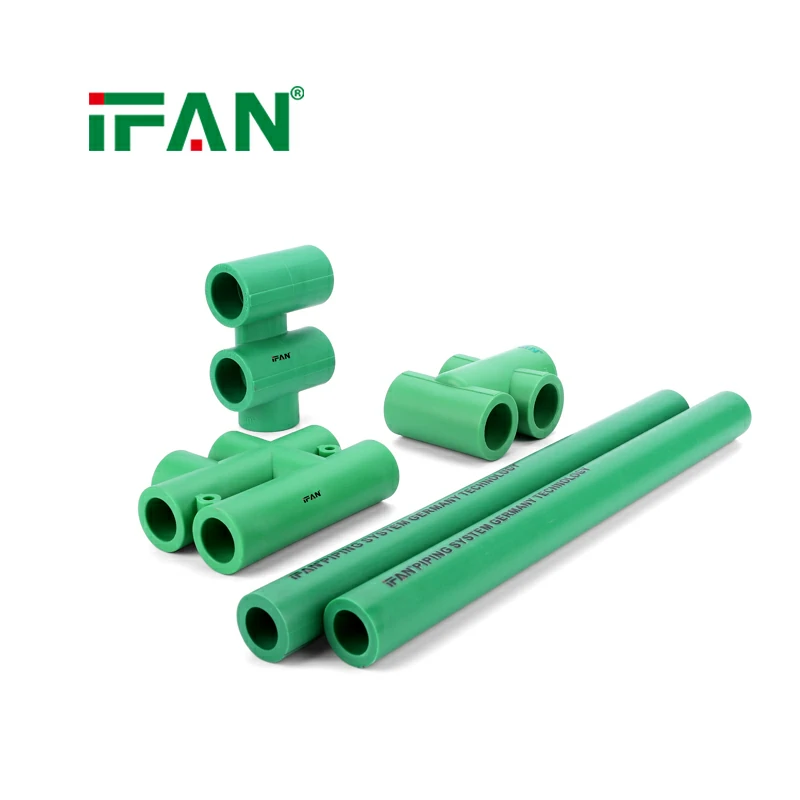
Someone probably told you at some point: “Just grab a plastic ball valve, it’s cheap and it works.” Works? Sure — until it doesn’t.
The biggest issue with plastic valves is pressure. The moment your home water pressure spikes — and it will, especially in older buildings with water hammer — that plastic body cracks. And don’t even get me started on heat. Turn on the winter heating and watch that plastic age in fast-forward. After two or three years, the seals go hard and leaks become inevitable.
Here’s another thing nobody warns you about: plastic valve stems snap like twigs. After a few open-close cycles, the threads strip out, and suddenly you can’t shut the valve off at all. IFAN Brass Ball Valves don’t have any of these problems. The stems are stainless steel — you can cycle them thousands of times without a single slip. That’s what real material quality gets you.
Steel Ball Valves: Tough But Full of Hidden Problems
“Okay, so I’ll go with steel then.” Steel valves are tough, sure — but they rust. And once they start rusting, it’s game over.
Steel sitting in water every single day? Even with a zinc coating, oxidation happens. Rust flakes break off and travel through your pipes, clogging showerheads, destroying water heaters. Fixing that damage costs ten times more than the valve itself. Plus, steel valves are heavy. Installers hate them, movers hate them, everyone hates them.
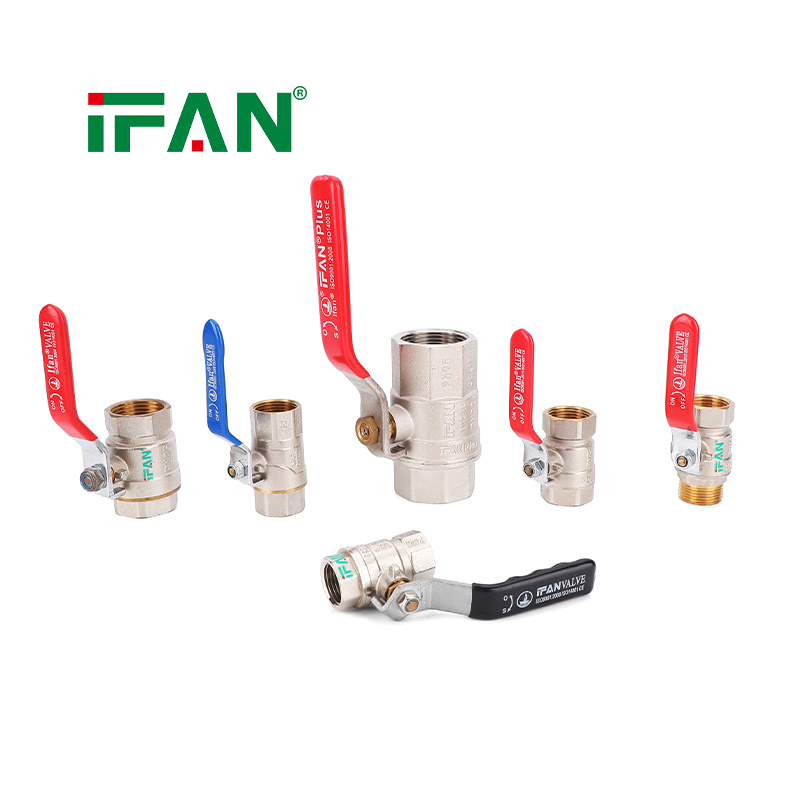
And here’s the kicker — steel valves don’t seal as well as brass over time. The sealing surfaces get scratched by particles in the water, and slow leaks start creeping in. IFAN Brass Ball Valves use PTFE seats with brass ball cores — smooth, wear-resistant sealing surfaces that handle even mediocre water quality without breaking a sweat. Steel simply can’t match that.
Why Brass Takes the Crown — The IFAN Advantage
Brass ball valves basically take everything good from plastic and steel, and throw away everything bad.
First: corrosion-resistant without rusting. Brass is naturally anti-corrosive. Unlike steel, it doesn’t oxidize. Unlike plastic, it doesn’t age. Sit it in water or air for decades and it still looks the same.
Second: handles everything. IFAN Brass Ball Valves operate from -20°C to 120°C at PN25 working pressure. Cold water lines, underfloor heating manifolds, hot water systems — brass handles it all. The high temperatures that destroy plastic? Brass laughs at them. The corrosion that kills steel? Brass doesn’t care.
Third: smooth operation and insane longevity. Brass machines beautifully. The ball core turns silky smooth, and the valve never gets brittle like plastic. We’re talking 20 to 30 years of trouble-free service.
IFAN uses CW617N lead-free brass with full NSF certification — completely safe for potable water. BSP and NPT threads available, residential or commercial, you name it.
Stop Overthinking It — Go With IFAN Brass Ball Valves
Here’s the truth: valves are the one place in your plumbing system where you absolutely cannot cut corners. That plastic valve you saved a few bucks on? It’ll cost you a fortune in water damage later. That steel valve? Rust will make you regret it.
IFAN Brass Ball Valves — 30-plus years of manufacturing, every single unit double-tested for air tightness and hydrostatic pressure, full ISO certification. Whether it’s a home renovation or a commercial project, brass is the way to go, and IFAN is the brand to trust. Everyone who’s used them says the same thing: “I wish I’d gone with IFAN from the start.”