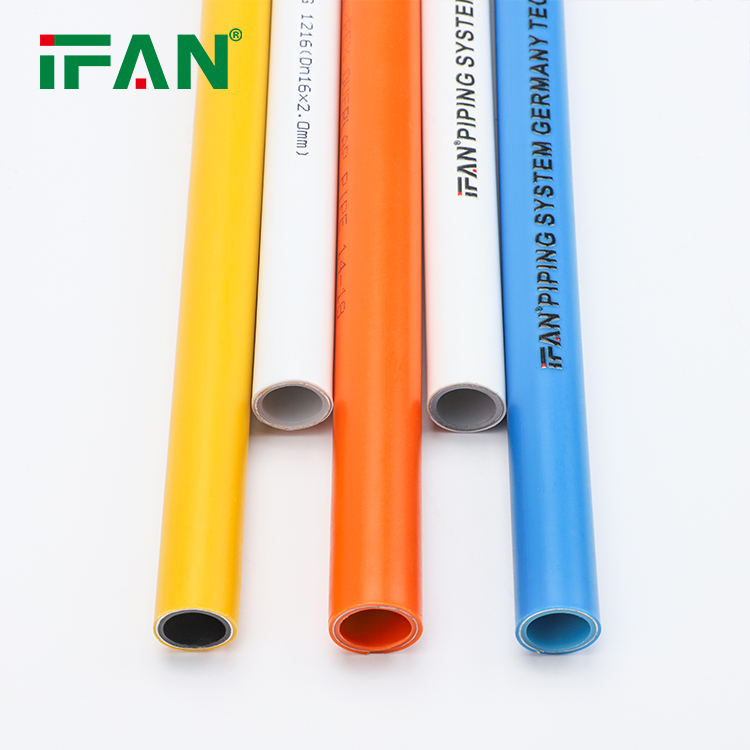
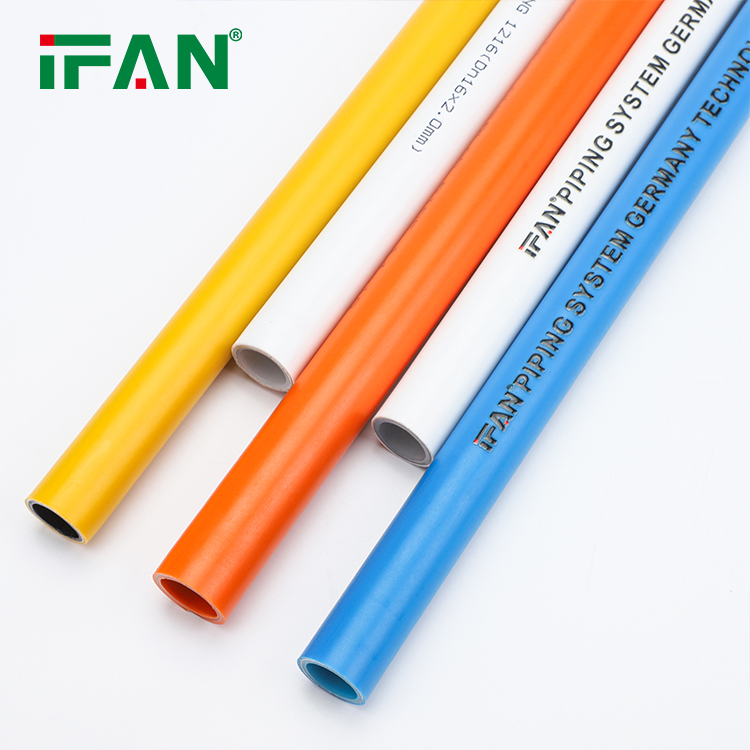
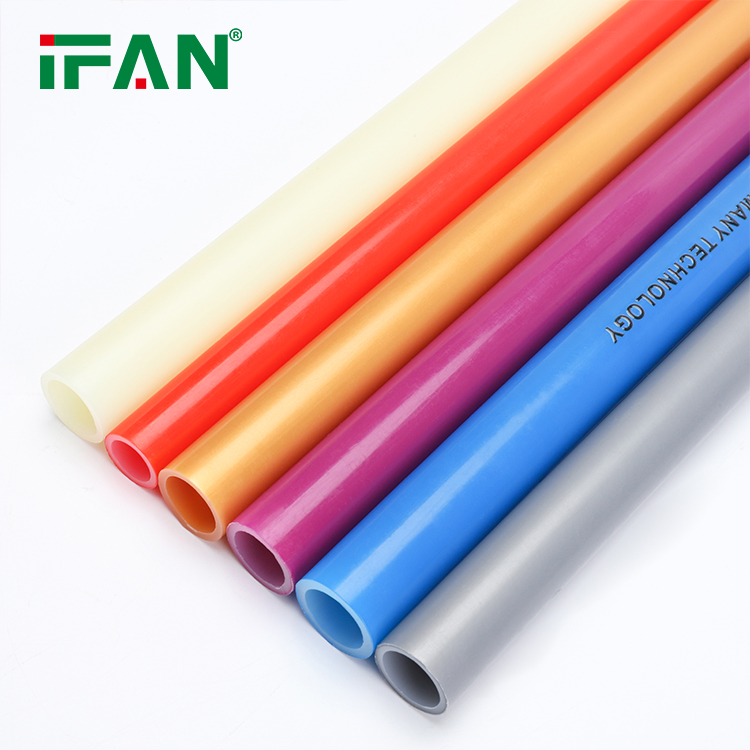
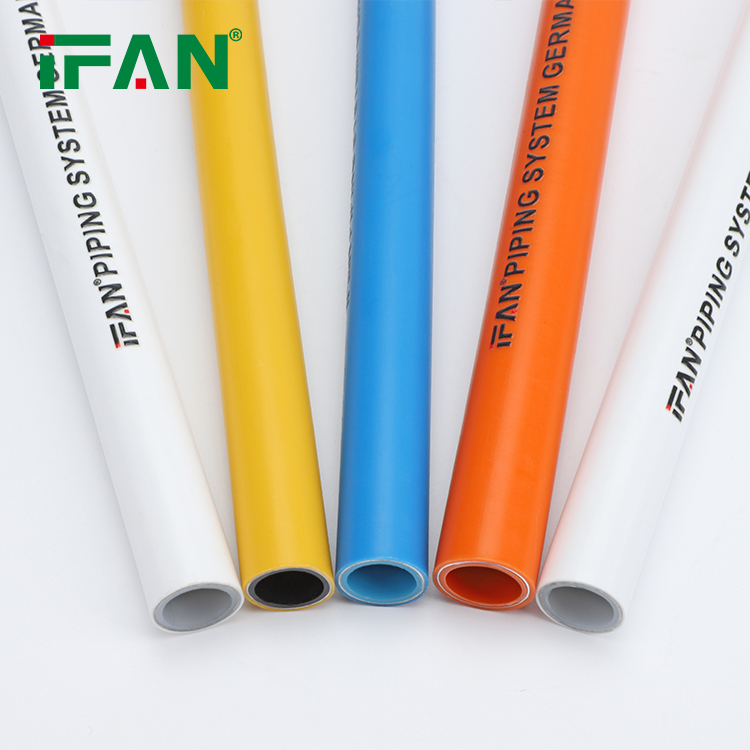
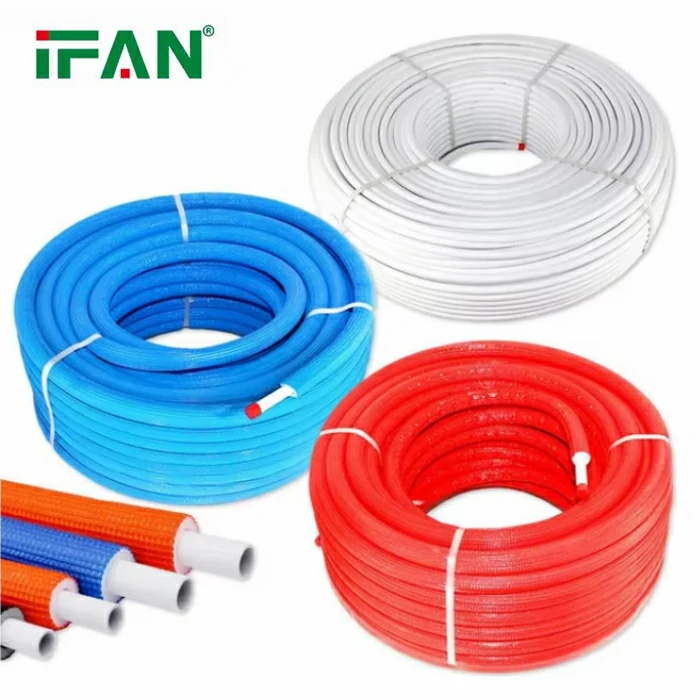
IFAN PPR Piping Systems Compliant with ISO 15874 Standards:Before You Buy Pipes, Check the Standard First
What Is ISO 15874? Think of It as the Global Exam for PPR Pipes
Most people shop for PPR pipes by price and color. Nobody talks about standards. But any experienced engineer or procurement guy will ask one thing first — have you passed ISO 15874?
ISO 15874 is the international standard specifically for polypropylene (PP) piping systems used in hot and cold water installations. It’s split into several parts: Part 1 covers general requirements, Part 2 covers pipes, Part 3 covers fittings, Part 5 covers fitness for purpose of the system, and Part 7 provides guidance for conformity assessment. From raw material to finished product to installation — it covers everything.
The standard was first published in 2003, heavily revised in 2013, and updated again in 2018 and 2022. The latest Amendment 2:2022 even added a -20°C low-temperature impact test to check whether pipes crack under extreme cold. If a product clears this standard, it means it survived every test — material, process, performance, all of it.
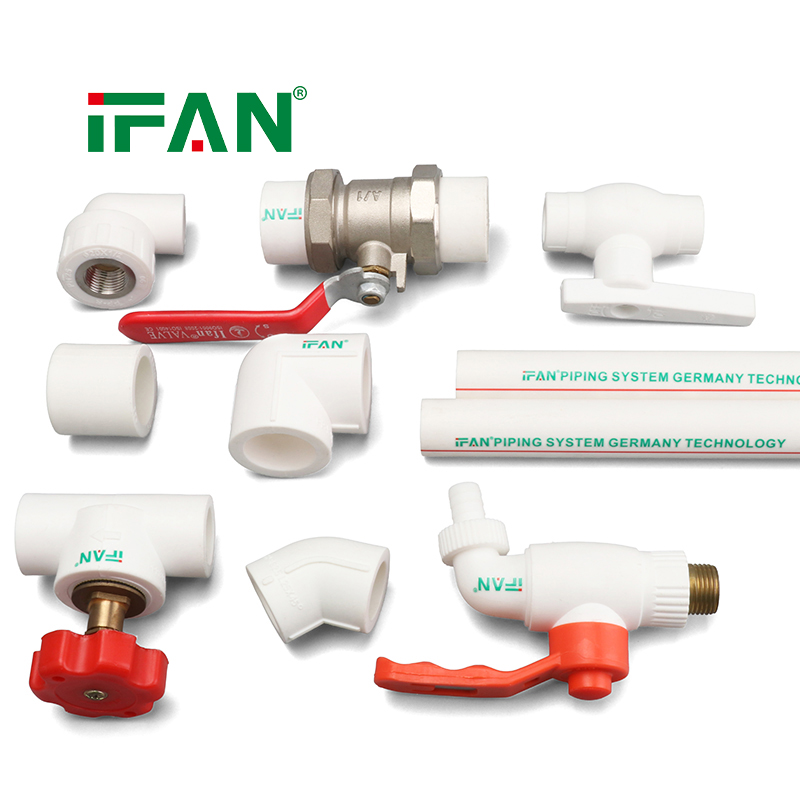
IFAN’s PPR Systems Are Built to This Standard — Every Single Pipe
IFAN is a manufacturing veteran based in Zhuji, Zhejiang, operating since 2001 — over two decades focused entirely on PPR piping systems. Their product line is fully aligned with the ISO 15874 series, and they also hold DIN 8077/8078, ASTM F2389, and GB/T 18742 certifications. Basically, one product line that works across every major market.
Here’s how IFAN clears each ISO 15874 checkpoint:
Material: ISO 15874 classifies PP materials into PP-H, PP-B, PP-R, and β-crystal PP-RCT. IFAN uses PP-R and PP-RCT raw materials with long-term hydrostatic strength up to 3.67 MPa, rated for 95°C operating temperature — fully covering cold water, hot water, and heating systems. All raw material is virgin, zero recycled content. Oxidation induction time, melting temperature, every indicator passes inspection.
Performance: Under ISO 15874-2, pipes must pass hydrostatic testing, longitudinal shrinkage, and Charpy impact tests. IFAN’s PN25 fitting series runs for 165 hours at 95°C without failure — one of the toughest test conditions in the standard. The -20°C impact test added in the 2022 amendment? IFAN already complies. Their press-fit connections won’t go brittle even in freezing conditions.
Dimensions: ISO 15874-2:2013/Amd 1:2018 expanded the pipe diameter range from DN12–DN160 to DN12–DN250, with wall thickness tolerances graded at 0.1mm intervals. IFAN covers 20mm to 110mm, suitable for both residential and commercial projects, with tolerances held within ±0.05mm — ensuring tight, leak-free fusion joints every time.
Why IFAN Is Basically the “Textbook Answer”
There are tons of brands calling themselves “PPR pipe manufacturers.” Ask them to show an ISO 15874 test report, and most go quiet. IFAN is different. They export to over 60 countries. The EU recognizes their DVGW and CE certifications. The Middle East accepts their EAC mark. All of these certifications are technically rooted in ISO 15874.
Here’s a fact most people don’t know: China’s GB/T 18742 series is itself a modified adoption of ISO 15874. A new revision just kicked off in 2025 (project number 20250436-T-607), with a 16-month timeline. That means the national standard is chasing the international one — and IFAN is already ahead of both.
Sizes from 20mm to 110mm. Pressure ratings from PN10 to PN25. OEM available with a 20,000-piece minimum. If you’re running a project and need ISO 15874 compliance documentation, just ask IFAN’s factory — every batch comes with full test data.
Bottom line: pipes stay buried in your walls for 50 years. Check the standard before you buy. IFAN’s PPR piping systems meet every clause of ISO 15874 — and that’s the hardest proof you’ll ever need.