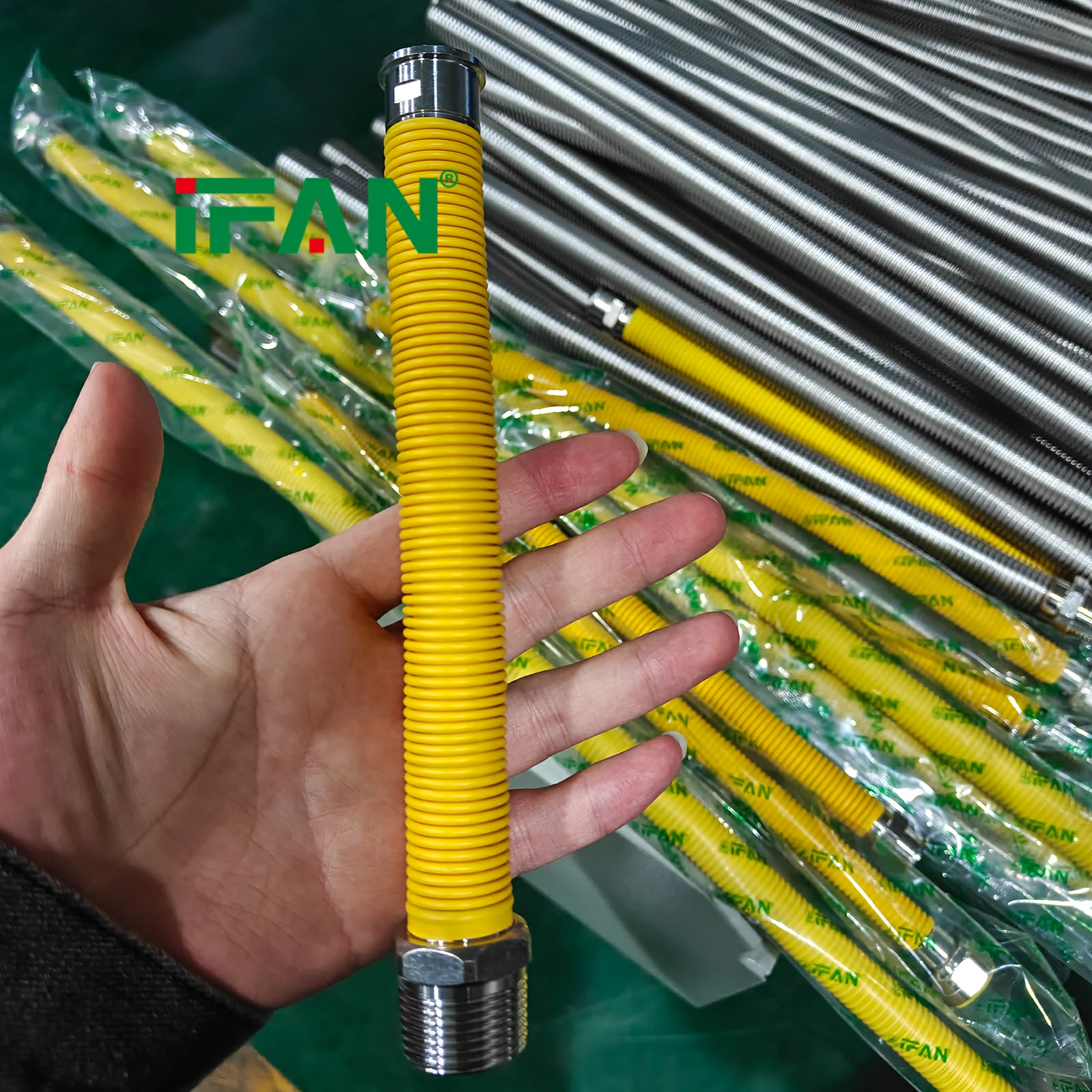
Choosing the right PEX pipe for hot and cold water plumbing is important for building a reliable water supply system. PEX pipes are widely used in residential buildings, commercial properties, and plumbing renovation projects because they are flexible and available in different sizes and specifications.
However, not every PEX pipe is suitable for every application. Buyers and installers need to consider pipe type, size, temperature rating, pressure rating, and local plumbing requirements before making a decision.
Understand the Different Types of PEX Pipe
PEX-A, PEX-B, and PEX-C are common types of cross-linked polyethylene pipe. They are manufactured using different processes and have different physical characteristics.
PEX-A is generally more flexible, which can make it easier to route through certain spaces. PEX-B is also widely used in residential and commercial plumbing. PEX-C is another option, although availability varies by market.
No single type is automatically the best choice for every project. The right option depends on the installation conditions, required performance, local availability, and compatibility with the selected fittings.
Choose PEX Pipe for Hot Water
Hot water plumbing requires pipe that can withstand the expected operating temperature and pressure.
Before purchasing, check the manufacturer’s temperature and pressure ratings. Consider both normal operating conditions and the requirements specified by local plumbing codes.
PEX pipe may be used for hot water distribution when the product is approved for that application. However, buyers should not assume that every PEX pipe has the same temperature limits.
For heating systems, the pipe specifications should also match the system design and expected operating conditions.
Select the Right Pipe for Cold Water
Cold water systems still require careful pipe selection.
The pipe must be suitable for the expected water pressure and installation environment. Outdoor exposure, freezing conditions, and direct sunlight may affect product suitability.
PEX can offer flexibility during installation, but it is not immune to damage. Follow the manufacturer’s guidance for insulation, protection, and installation clearances.
For residential plumbing, selecting the right pipe size can also help maintain appropriate water flow when multiple outlets operate at the same time.
Understand Pipe Size and Water Flow
PEX pipes are available in different diameters. Common sizes include 16 mm, 20 mm, 25 mm, and larger options, depending on the market and application.
The correct size depends on several factors, including pipe length, required flow rate, water pressure, and the number of connected fixtures.
A pipe that is too small may restrict flow, while an unnecessarily large pipe can increase material costs. Contractors should calculate the system requirements rather than choosing a size based only on appearance.
It is also important to distinguish between nominal size and actual pipe dimensions when selecting fittings.
Check Fitting Compatibility
The pipe and fitting must work together as a compatible connection system.
PEX systems may use press, crimp, expansion, or other connection methods. These systems are not automatically interchangeable.
Before purchasing PEX pipe and PEX press fittings, confirm the pipe dimensions, fitting specifications, connection method, and tool requirements.
Using compatible components and following the manufacturer’s installation instructions can help reduce leakage and connection problems.
Consider Quality and Certification
Product quality is important for both hot and cold water applications.
Buyers should review the pipe’s material specifications, pressure and temperature ratings, applicable certifications, and intended use. Where the pipe will carry drinking water, confirm that the product complies with the relevant local requirements for potable water.
For bulk purchasing, also consider supplier consistency, packaging, product identification, and availability of technical documentation.
Why Consider IFAN PEX Pipe and Fittings?
IFAN offers plumbing products for different water supply and heating applications. When selecting PEX pipe and compatible fittings, buyers should confirm the exact specifications needed for their project.
For distributors, contractors, and project buyers, checking pipe sizes, connection systems, operating conditions, and local compliance requirements before ordering can help simplify procurement.
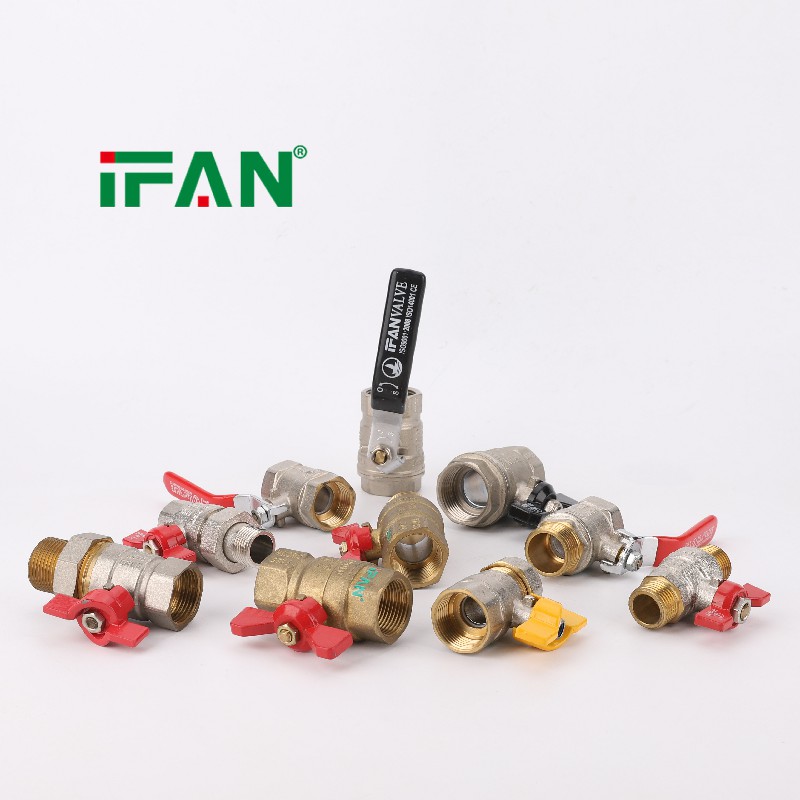
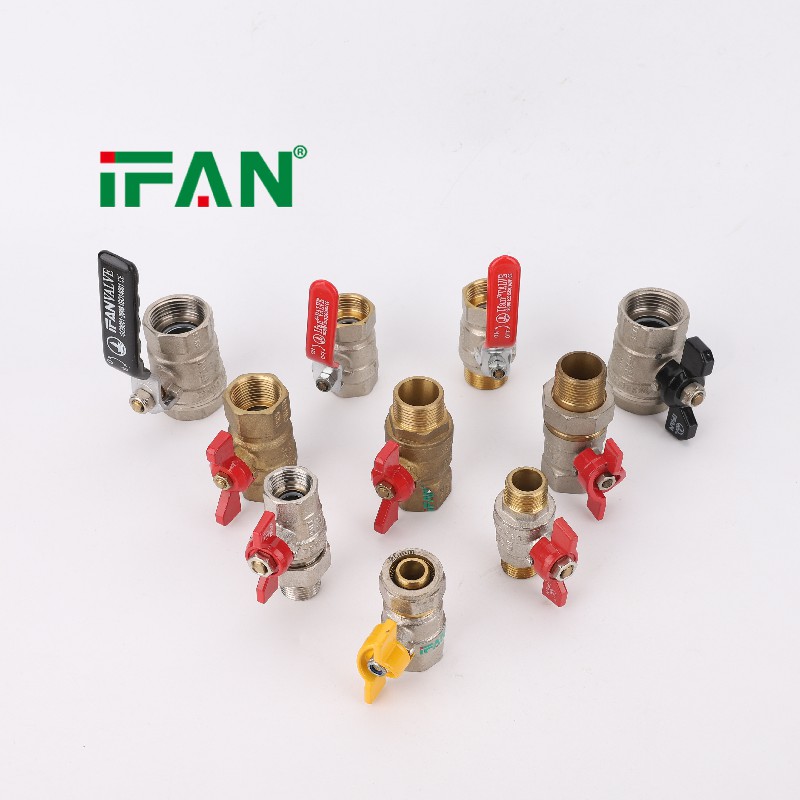
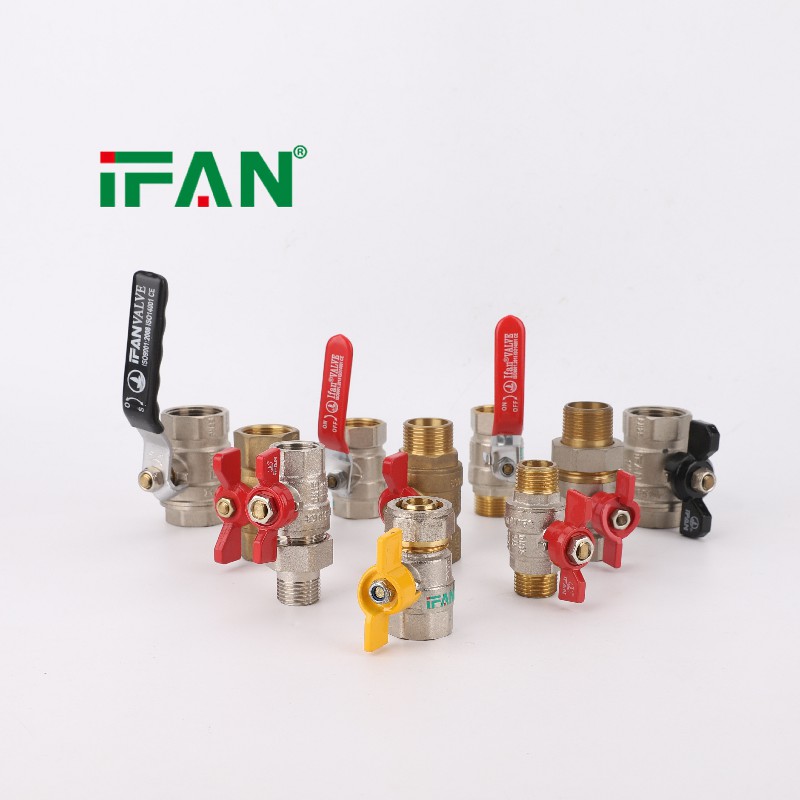
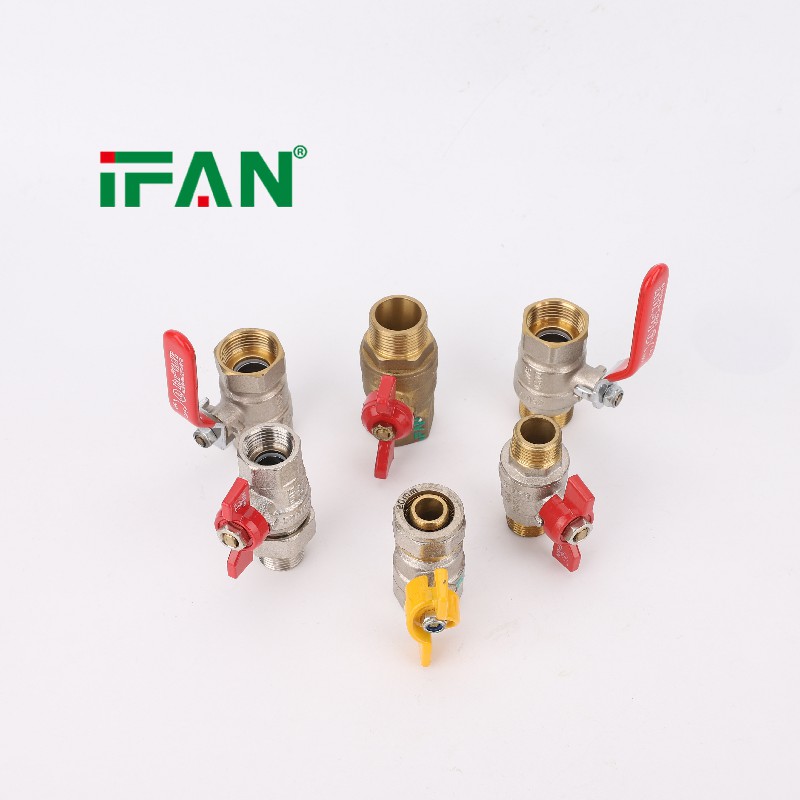
IFAN PEX press fittings can also be considered when the selected pipe and fitting system are confirmed to be compatible.
Final Thoughts
Choosing the right PEX pipe for hot and cold water plumbing requires more than comparing prices or sizes. Pipe type, temperature rating, pressure rating, water flow, installation conditions, and fitting compatibility all matter.
By reviewing these factors before purchasing, homeowners, contractors, and distributors can make better-informed decisions. The right combination of PEX pipe and compatible fittings can help support a dependable plumbing system when installed according to the manufacturer’s instructions and applicable local codes.