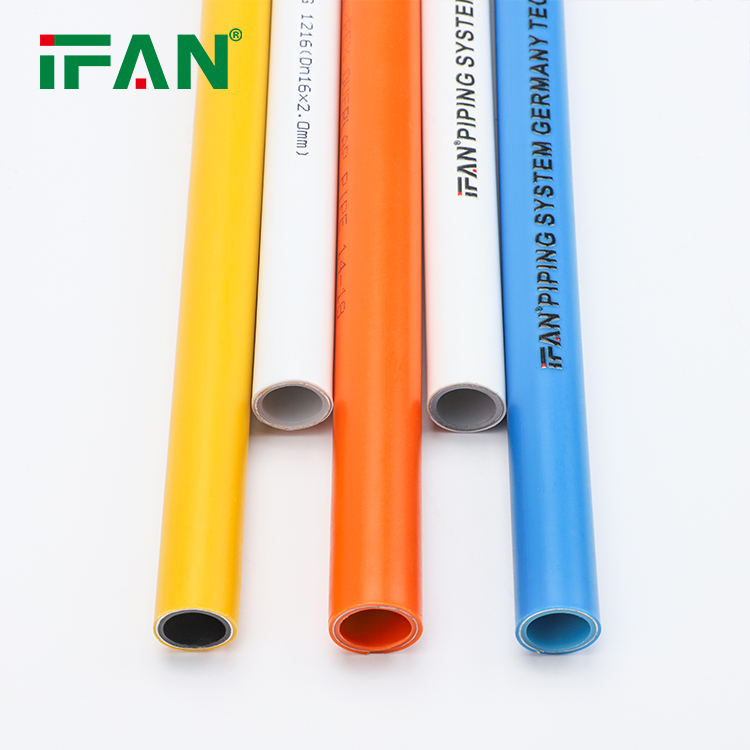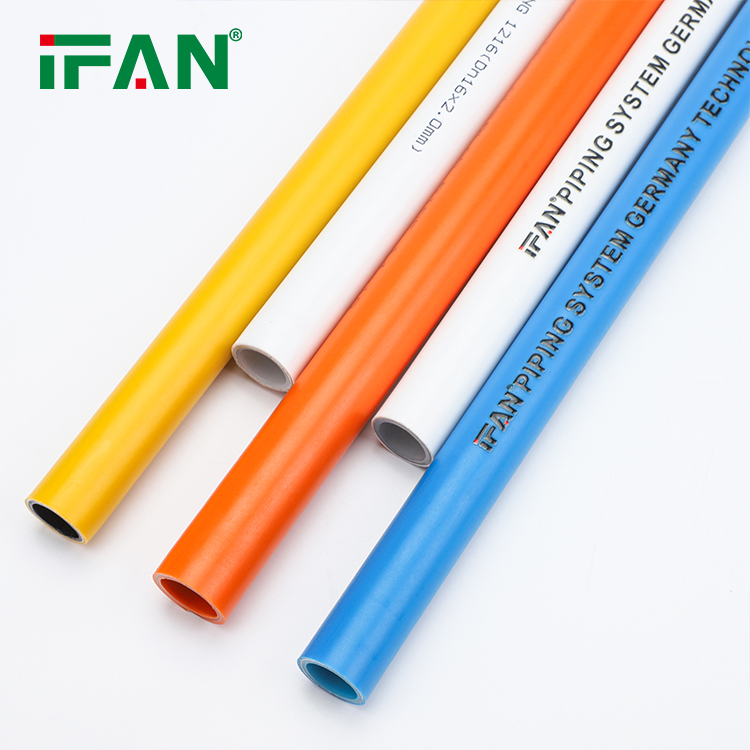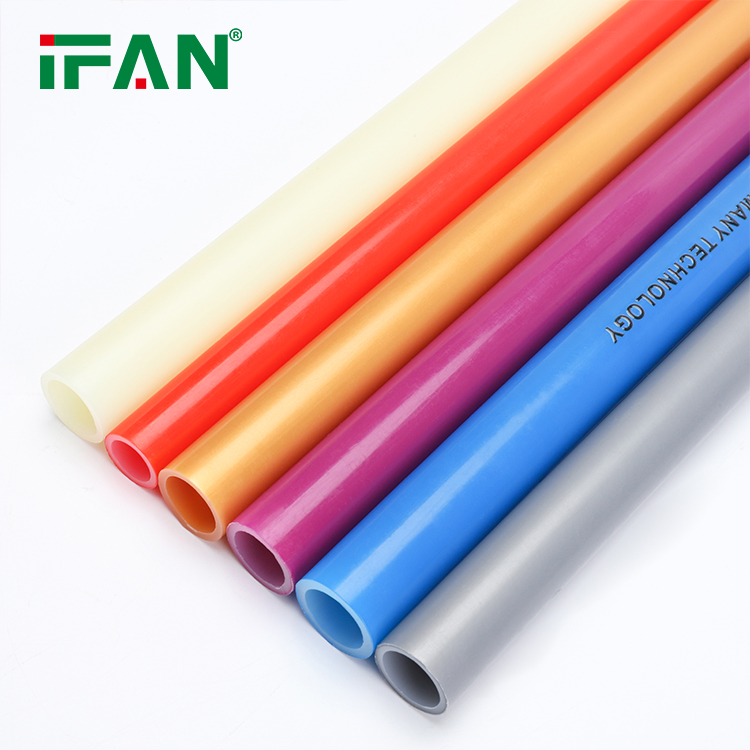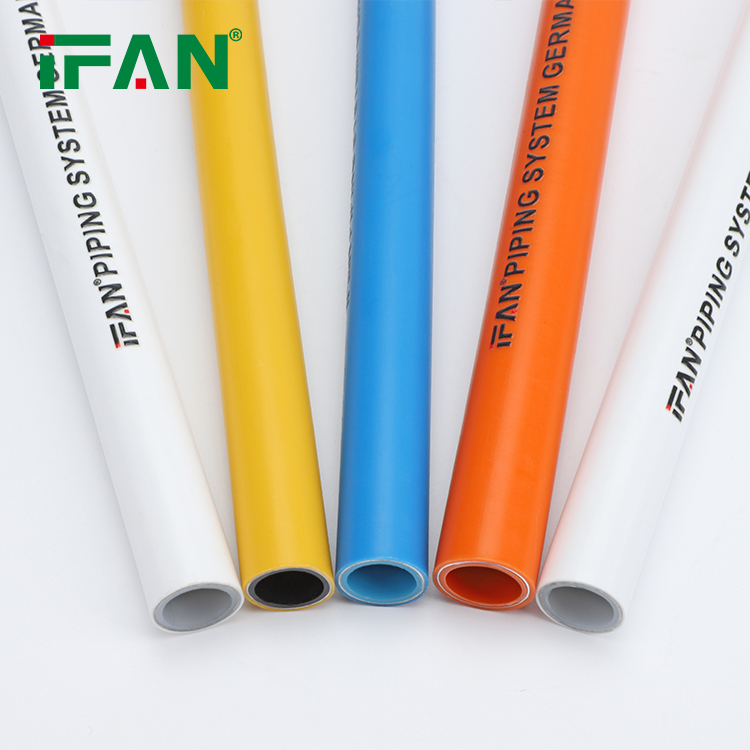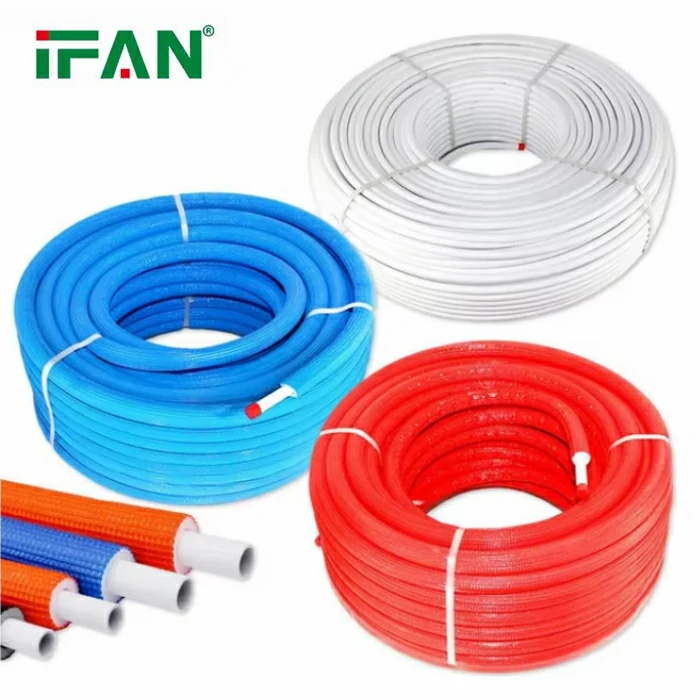
IFAN PEX Below-Floor Suspended Tubing Installation Methods: 3 Proven Ways Explained
What Exactly Is Below-Floor Suspended PEX, and Why Is It Taking Off?
Put simply, below-floor suspended PEX means hanging the pipes under the floor slab using clips or brackets — no trenching, no chasing walls. The pipes literally float in the cavity. This method has been standard in European and American homes for decades, and it’s finally catching on in China, especially for underfloor heating and concealed water supply systems.
The biggest advantage? If something leaks, you can see it immediately. No need to rip up the floor. IFAN has built an entire PEX press-fit fitting line specifically for this application — straight couplings, elbows, tees — all press-fit, no fusion, no soldering.
3 Main Installation Methods for IFAN PEX Suspended Systems
Method 1: Press-Fit Connection — The Top Recommendation
This is by far the most common method in suspended installations. IFAN’s PEX copper press-fit fittings work in three steps: insert the pipe, position the fitting, and clamp. The fitting’s collar deforms elastically under pressure, gripping the pipe wall tightly and creating a sealed joint.
The process is straightforward: cut the PEX pipe clean with a dedicated cutter, deburr the end, wipe it down, insert it into the fitting, adjust the press tool to the correct depth, and squeeze until you hear that satisfying click. IFAN uses brass fittings rated from -70°C to 95°C — more than enough for any residential heating or water supply job.
Method 2: Expansion Fitting — Best for High-Flow Applications
Expansion fittings don’t restrict flow. The pipe’s inner diameter stays consistent, which means better water efficiency compared to push-fit connectors. IFAN offers expansion fittings that work with a dedicated expansion tool — you flare the pipe end and slide the fitting on. No O-rings needed. This method shines on main water lines but requires specialized tools, so it’s less DIY-friendly.
Method 3: Clamp Ring Connection — Old School but Solid
A stainless steel clamp ring with an O-ring seals the joint. It’s similar to press-fit but requires manual tightening. More common in North America than in China, but IFAN carries these too for specialty projects.
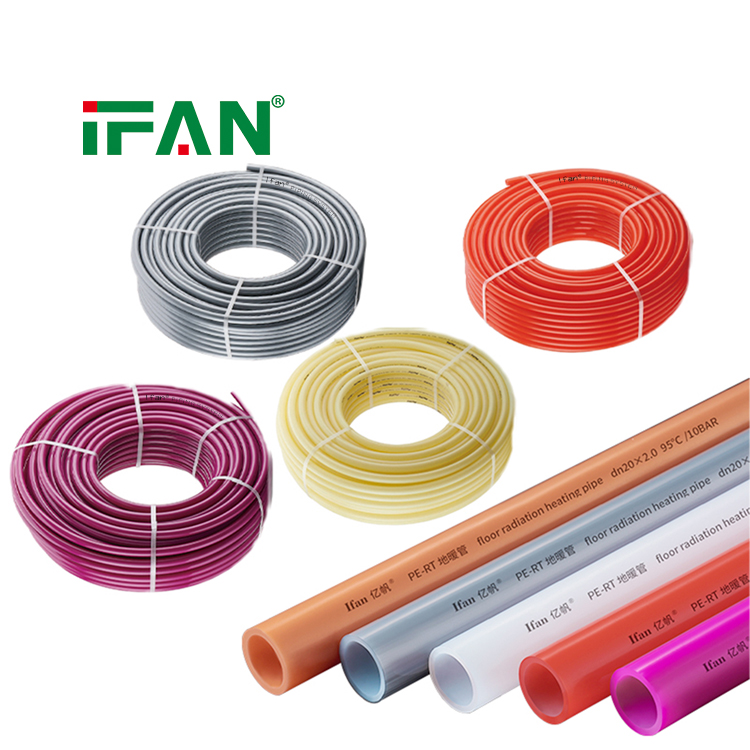
Installation Details That Most Guys Won’t Tell You
First: The minimum bend radius is 8 times the pipe diameter. PEX is flexible, but forcing a tight bend deforms the inner wall and kills flow over time. IFAN’s PEX pipes are designed with this in mind — just follow the spec.
Second: Fix the pipe every 600mm on straight runs and every 350mm around bends. Use plastic zip ties or pipe clips. If the pipe lifts up, weigh it down — but never use concrete nails in bathrooms or kitchens, or you’ll destroy the waterproofing.
Third: Two pressure tests are mandatory. First test: pressurize to 1.2 MPa, hold for 1 hour, no leaks. Then maintain 0.6 MPa while filling the concrete, and keep that pressure for 48 hours during curing. Second test at handover: 0.6 MPa again, pressure drop must stay under 0.05 MPa in 10 minutes.
Fourth: Don’t over-bend. Don’t expose the pipe to temperatures outside its rated range. Keep sharp objects away during installation. Sounds obvious, but most failures trace back to these exact mistakes.
Why Just Go With IFAN?
IFAN isn’t dabbling in PEX — they have a full press-fit, expansion, and clamp ring product line, all CE and ISO certified, shipping to Europe and the Middle East. The fittings and the pipes come from the same factory, so compatibility is guaranteed. No mismatched sizes, no iffy seals.
In a suspended system, every joint is visible. If it leaks, you’re looking at a disaster. IFAN’s brass press-fit fittings are precision-machined — not stamped junk. Your piping system lives where you can’t see it every day, but when it fails, you’ll wish you’d gone with the better brand. Go with IFAN. Done right the first time.