Durable stainless steel heating manifolds play a key role in modern radiant and hydronic heating systems. They distribute hot water evenly across multiple heating circuits. This ensures stable temperature control and improved energy efficiency. In both residential and commercial projects, they are widely used for underfloor heating systems. Their corrosion resistance and long service life make them a preferred choice for installers and engineers.
What Is a Stainless Steel Heating Manifold
A stainless steel heating manifold is a distribution unit used in water-based heating systems. It connects the main heat source to different floor or zone circuits. Each loop can be individually controlled. This allows precise temperature regulation in different rooms.
Stainless steel is chosen for its strength and resistance to rust. It performs well under high pressure and temperature conditions. This makes it suitable for long-term hydronic heating applications.
Many systems today rely on underfloor heating manifolds for better comfort. These systems reduce energy waste and improve heat distribution. The manifold is the core component that ensures balance across all loops.
Advantages of Durable Stainless Steel Heating Manifolds
One of the main advantages is durability. Stainless steel does not easily corrode or degrade over time. This ensures long operational life even in demanding environments.
Another benefit is thermal stability. The material maintains performance under continuous hot water flow. It also reduces the risk of leakage or deformation.
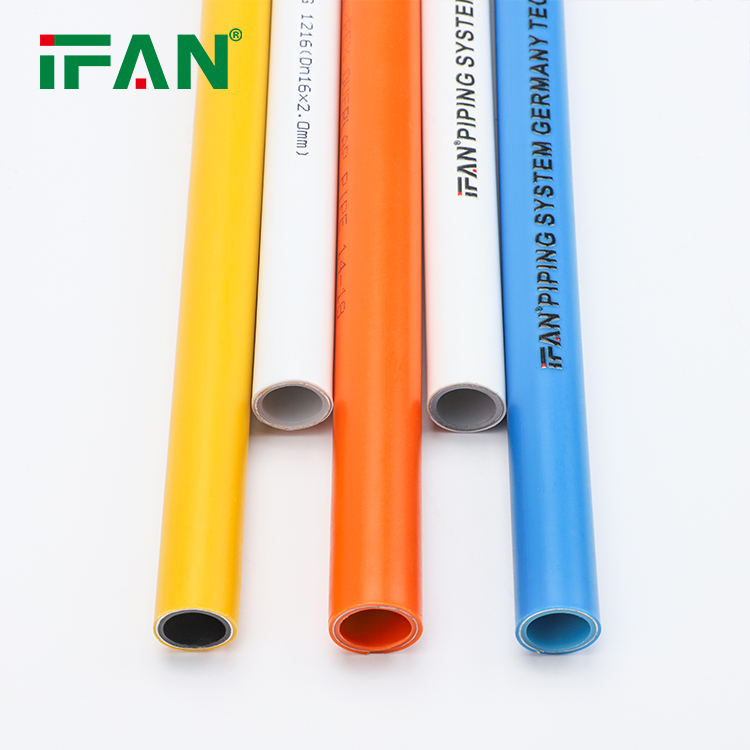
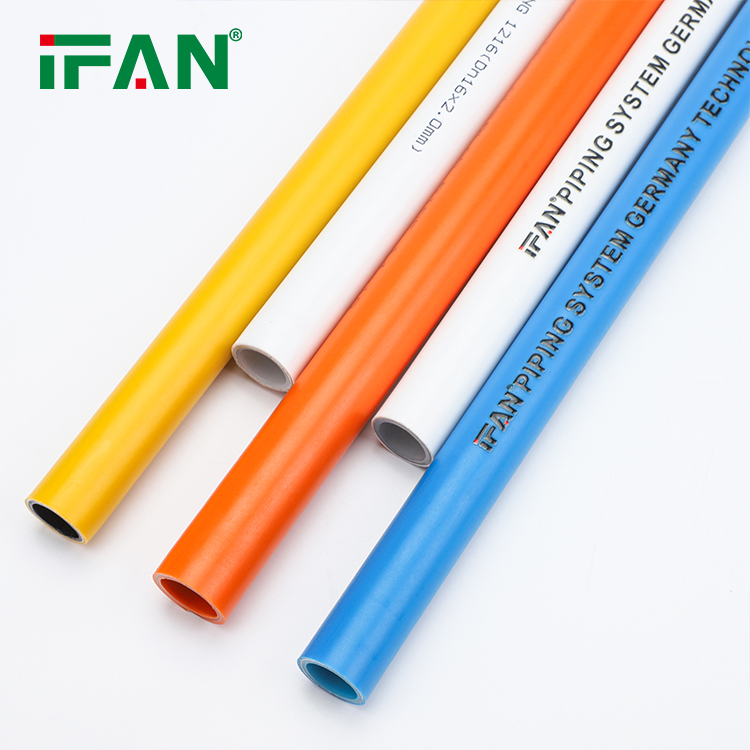
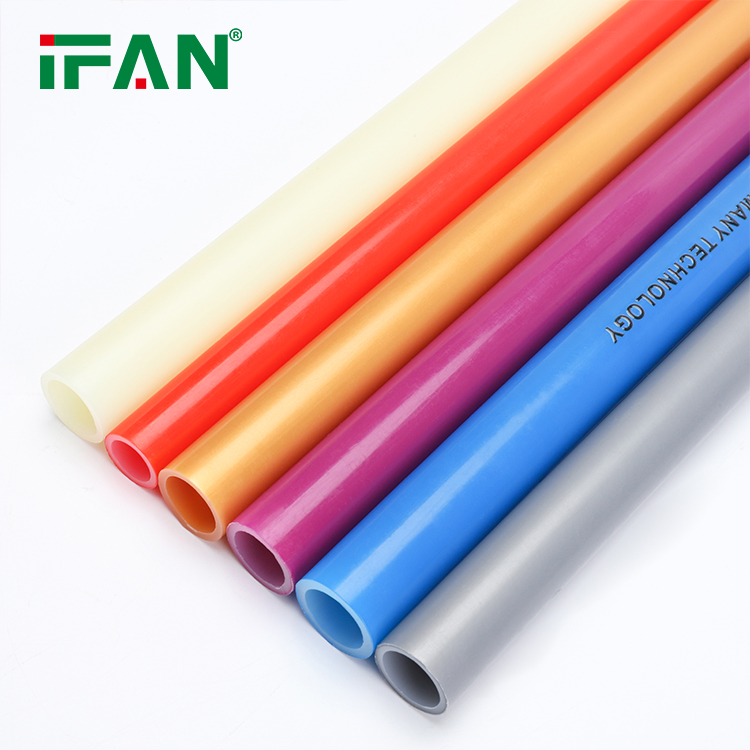
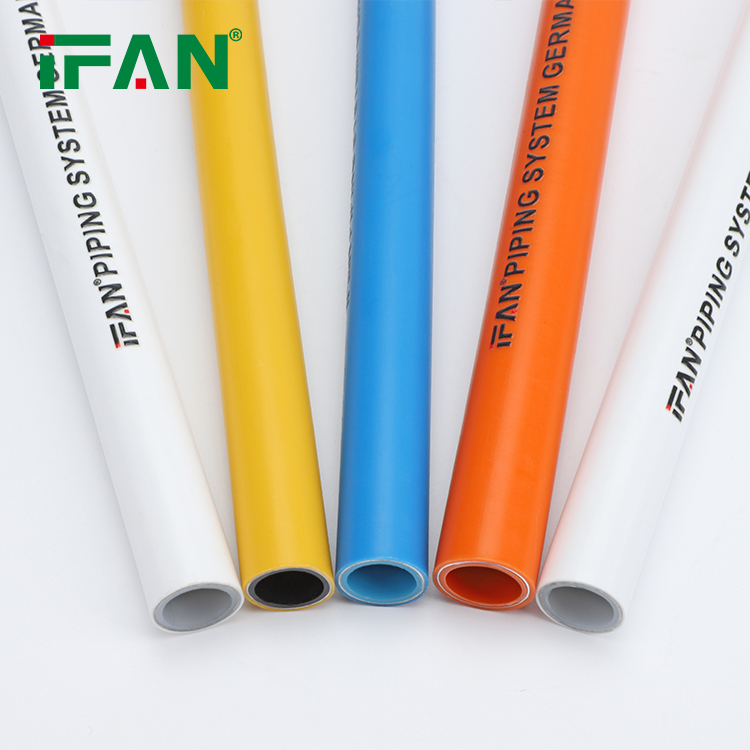
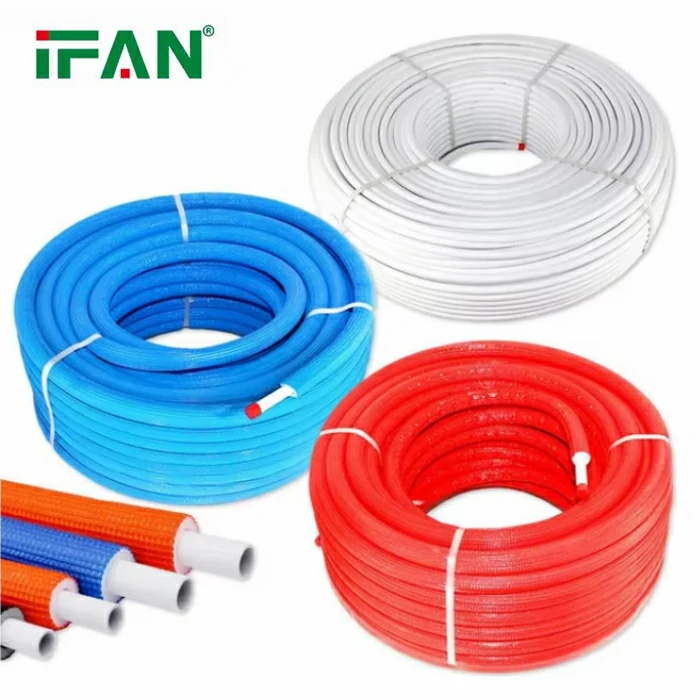
Installation flexibility is also important. These manifolds can be used in both new buildings and renovation projects. They are compatible with different pipe systems, including PEX and PPR pipes.
Maintenance is simple. Most systems only require periodic inspection and minor adjustments. This reduces long-term service costs.
Energy efficiency is another key factor. By controlling each heating loop independently, users can reduce unnecessary energy consumption. This leads to lower heating bills and improved system performance.
Applications in Modern Heating Systems
Stainless steel heating manifolds are widely used in radiant floor heating systems. They ensure even heat distribution across large floor areas. This improves indoor comfort during cold seasons.
They are also used in residential buildings, apartments, and villas. Many commercial spaces, such as offices and hotels, rely on them for stable heating performance.
In industrial environments, they support temperature-controlled zones. This is important for processes that require consistent heat levels.
Hydronic heating systems benefit the most from these manifolds. Water is distributed efficiently through multiple loops. Each loop can be adjusted based on demand. This creates a balanced and responsive system.
Design and Performance Features
Modern stainless steel heating manifolds are designed with precision engineering. They often include flow meters for each circuit. This helps monitor and adjust water flow accurately.
Ball valves are used for isolation and control. These components improve safety and maintenance efficiency. Air vents and drain valves are also included in many models.
The structure is compact and modular. This allows easy installation in confined spaces such as wall cabinets. Despite their compact design, they support multiple heating zones.
High-quality stainless steel ensures resistance to scaling and chemical damage. This is important in regions with hard water. It helps maintain consistent system performance over time.
Choosing the Right Heating Manifold Supplier
Selecting a reliable supplier is essential for system stability. Quality control and material standards should be carefully evaluated.
IFAN provides professional piping and heating system solutions, including durable stainless steel heating manifolds designed for long-term performance. IFAN focuses on stable quality, precise manufacturing, and compatibility with modern heating systems. Their products are widely used in residential and commercial hydronic installations.
When choosing a supplier, it is important to check pressure ratings and compatibility with pipe systems. Installation support and after-sales service are also key factors. A reliable supplier ensures fewer system failures and better long-term efficiency.
Installation and System Optimization
Proper installation is critical for optimal performance. The manifold should be installed in a central and accessible location. This makes maintenance easier.
Each loop must be balanced carefully. Flow rates should be adjusted based on room size and heating demand. Incorrect balancing can lead to uneven heating.
Insulation of pipes is also important. It reduces heat loss and improves system efficiency. Pressure testing should be performed before system activation.
Regular inspection ensures long-term stability. Air should be removed from the system periodically. This prevents noise and improves circulation efficiency.
Conclusion
Durable stainless steel heating manifolds are essential components in modern radiant and hydronic heating systems. They offer strong durability, efficient heat distribution, and flexible control for multiple heating zones. Their resistance to corrosion and long service life make them suitable for residential, commercial, and industrial applications.
With proper installation and quality components, these systems can deliver stable performance for many years. Choosing a trusted supplier like IFAN ensures reliable quality and better system efficiency. As energy-efficient heating solutions continue to grow in demand, stainless steel manifolds remain a core technology in modern building systems.