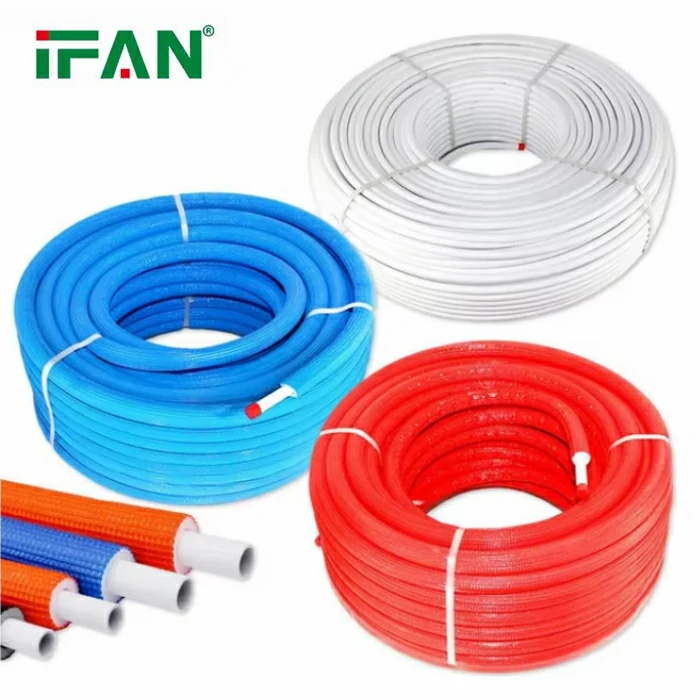
Underfloor heating pipes are an important part of modern hydronic heating systems. They provide comfortable indoor temperatures by distributing warm water beneath the floor surface. Compared with traditional heating methods, underfloor heating offers better energy efficiency, even heat distribution, and improved room comfort.
For residential buildings, commercial spaces, and industrial projects, choosing high-quality underfloor heating pipes is essential. The right pipes can ensure stable heating performance, long service life, and reliable operation. As a professional pipe manufacturer, IFAN provides durable underfloor heating solutions designed for different heating applications and project requirements.
What Are Underfloor Heating Pipes?
Underfloor heating pipes are specially designed tubes installed below floors to transfer heat through warm water circulation. These pipes are connected to a hydronic heating system, where heated water flows through the pipe network and releases heat into the room.
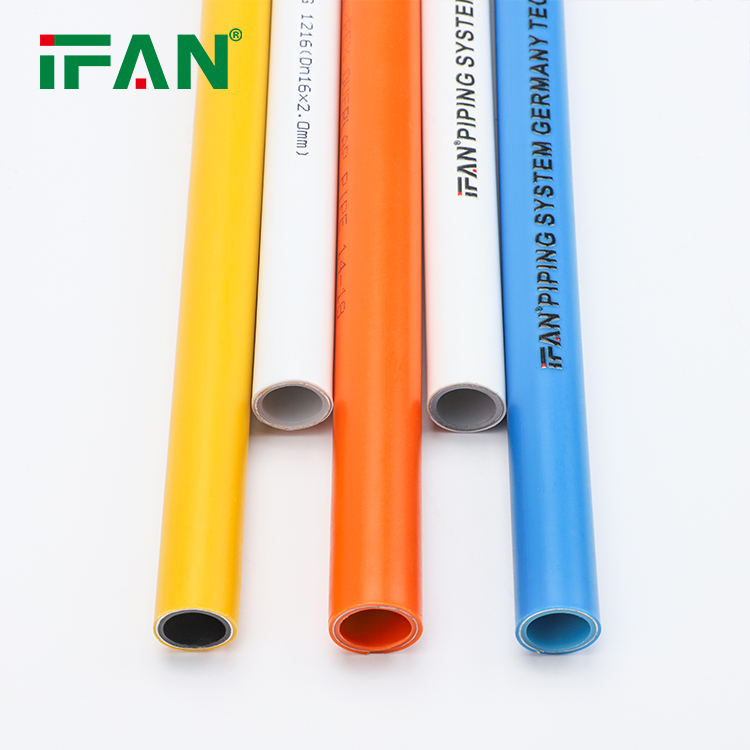
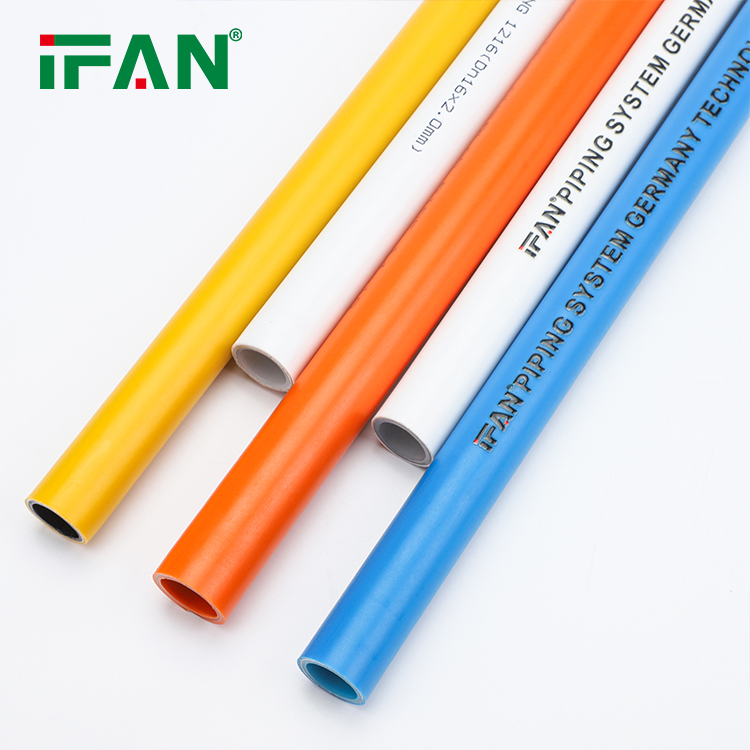
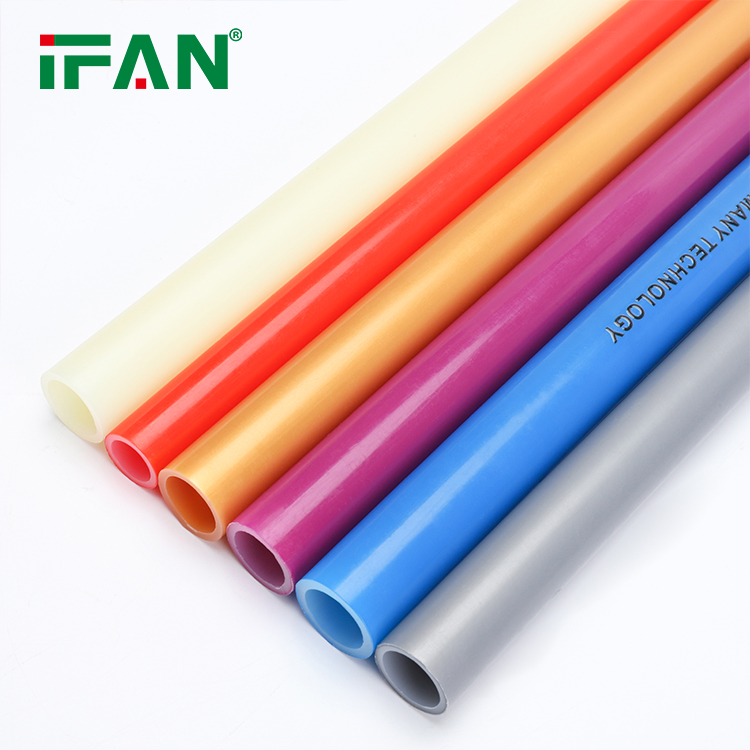
Most underfloor heating systems use flexible plastic pipes because they are easy to install and resistant to corrosion. Common materials include PEX, PE-RT, and multilayer pipes. These materials provide excellent flexibility, pressure resistance, and long-term stability.
Unlike radiators that heat air from a single location, underfloor heating creates a more balanced temperature from the floor upward. This design improves comfort and reduces heat loss in daily use.
Benefits of Using Hydronic Underfloor Heating Pipes
Hydronic underfloor heating systems have become popular because of their energy-saving performance and comfortable heating experience. High-quality pipes play a key role in achieving these advantages.
One major benefit is efficient heat distribution. The pipe layout covers a large floor area, allowing heat to spread evenly throughout the room. This reduces cold areas and creates a comfortable indoor environment.
Another advantage is lower energy consumption. Hydronic systems operate with lower water temperatures compared with many traditional heating systems. This helps reduce heating costs while maintaining a stable temperature.
Underfloor heating pipes also provide excellent durability. Quality pipes can withstand continuous operation, pressure changes, and temperature variations. With proper installation, they can offer many years of reliable service.
In addition, these systems save interior space. Since the heating components are hidden under the floor, walls remain free from radiators and other heating equipment.
Common Materials for Underfloor Heating Pipes
Different materials are used for underfloor heating applications based on project needs and installation conditions.
PEX pipes are one of the most widely used choices for hydronic heating systems. They have strong flexibility, good temperature resistance, and excellent durability. PEX pipes are suitable for residential heating, commercial buildings, and large-scale projects.
PE-RT pipes are also popular in floor heating systems. They provide good flexibility and can maintain stable performance under long-term heating conditions. Their easy installation makes them suitable for many construction projects.
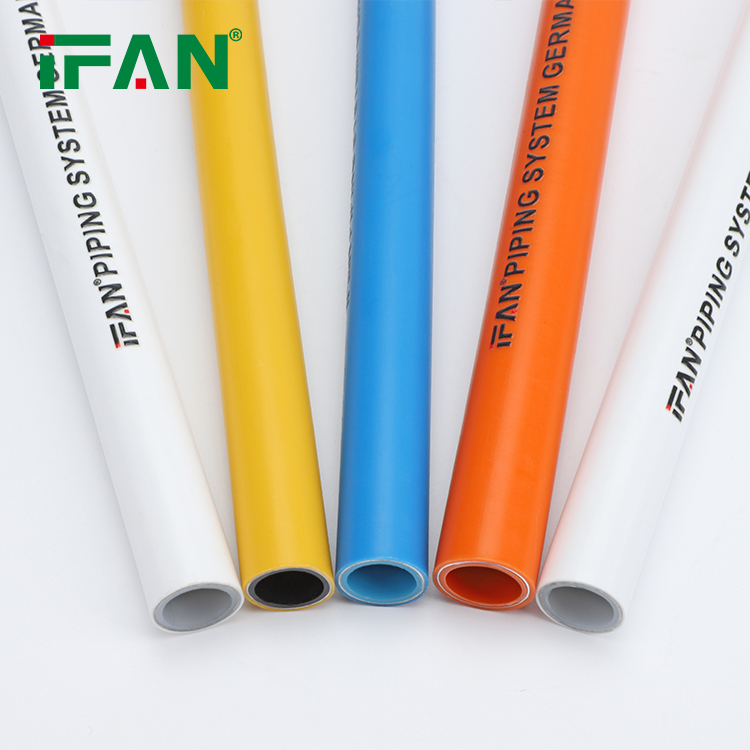
Multilayer pipes combine different materials to improve performance. They usually include layers that enhance strength, reduce oxygen penetration, and maintain shape stability.
When selecting underfloor heating pipes, factors such as operating temperature, pressure rating, pipe size, and installation environment should be considered.
How to Choose the Right Underfloor Heating Pipes
Selecting suitable pipes is important for the efficiency and lifespan of a hydronic heating system. Several factors should be evaluated before making a decision.
First, check the pipe quality and material certification. Reliable pipes should meet industry standards and provide consistent performance during long-term use.
Second, consider the pipe size and system design. Different buildings require different pipe diameters and layouts. Proper planning helps improve water flow and heating efficiency.
Third, pay attention to temperature and pressure resistance. Underfloor heating pipes must handle continuous hot water circulation without deformation or leakage.
Installation quality is another important factor. Even high-quality pipes may not perform well if installed incorrectly. Professional installation ensures proper spacing, connection, and system balance.
IFAN specializes in manufacturing high-performance plastic pipes and fittings for heating and plumbing systems. With advanced production technology and strict quality control, IFAN supports customized solutions for distributors, contractors, and engineering projects worldwide.
Applications of Hydronic Underfloor Heating Systems
Underfloor heating pipes are widely used in various types of buildings. They are suitable for homes, apartments, hotels, offices, schools, and commercial facilities.
In residential applications, these systems provide comfortable heating for bedrooms, living rooms, kitchens, and bathrooms. They are especially useful in areas with cold winters where stable indoor temperatures are required.
For commercial projects, hydronic floor heating systems offer reliable performance for large spaces. They can be integrated with different heating sources, including boilers, heat pumps, and renewable energy systems.
Modern energy-efficient buildings also benefit from underfloor heating technology. The system can work effectively with low-temperature heating equipment, helping reduce overall energy consumption.
Installation Tips for Underfloor Heating Pipes
Proper installation is essential for achieving the best heating performance. Before installation, the floor structure should be checked to ensure it is suitable for the heating system.
The pipe layout should be designed according to room size and heating requirements. Even spacing helps maintain consistent heat distribution across the floor.
During installation, avoid sharp bending or damage to the pipes. Connections should be secure and tested before covering the system with flooring materials.
A pressure test should always be completed after pipe installation. This step helps identify potential problems before the system starts operation.
Working with experienced manufacturers and professional installers can improve system reliability and reduce future maintenance costs.
Why Choose IFAN Underfloor Heating Pipes?
IFAN has years of experience in manufacturing plumbing and heating products. The company provides high-quality pipes and fittings for different applications, including hydronic heating systems.
With advanced equipment, strict production management, and professional technical support, IFAN delivers reliable underfloor heating pipe solutions. The factory can provide customized products based on customer requirements, including different sizes, materials, and specifications.
For wholesalers, distributors, and project contractors, choosing a trusted manufacturer helps ensure product quality and stable supply. IFAN focuses on providing durable heating products that meet international market demands.
Conclusion
Underfloor heating pipes are a key component of efficient hydronic heating systems. They provide comfortable warmth, energy savings, and reliable performance for residential and commercial applications.
Choosing the right pipe material, size, and manufacturer can greatly improve system efficiency and service life. High-quality underfloor heating solutions help create more comfortable and sustainable indoor environments.
With professional manufacturing experience and customized production capabilities, IFAN continues to supply dependable underfloor heating pipes and plumbing solutions for customers around the world.