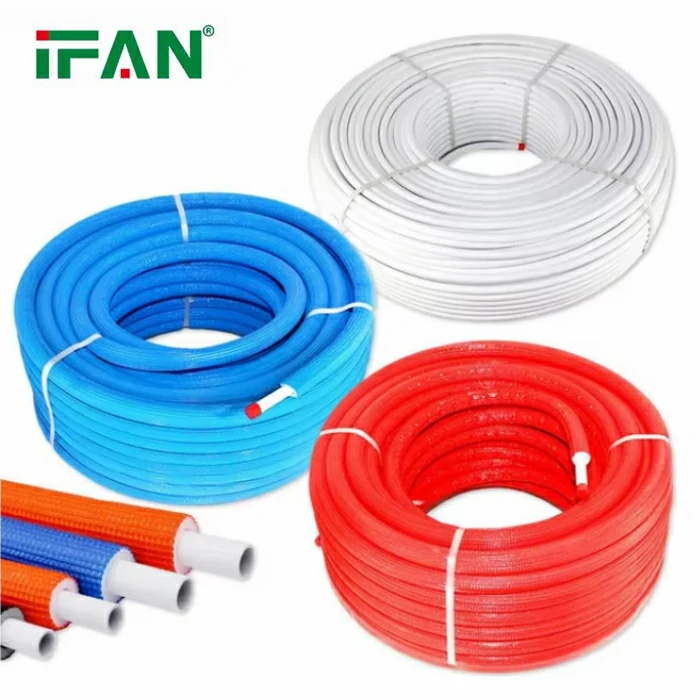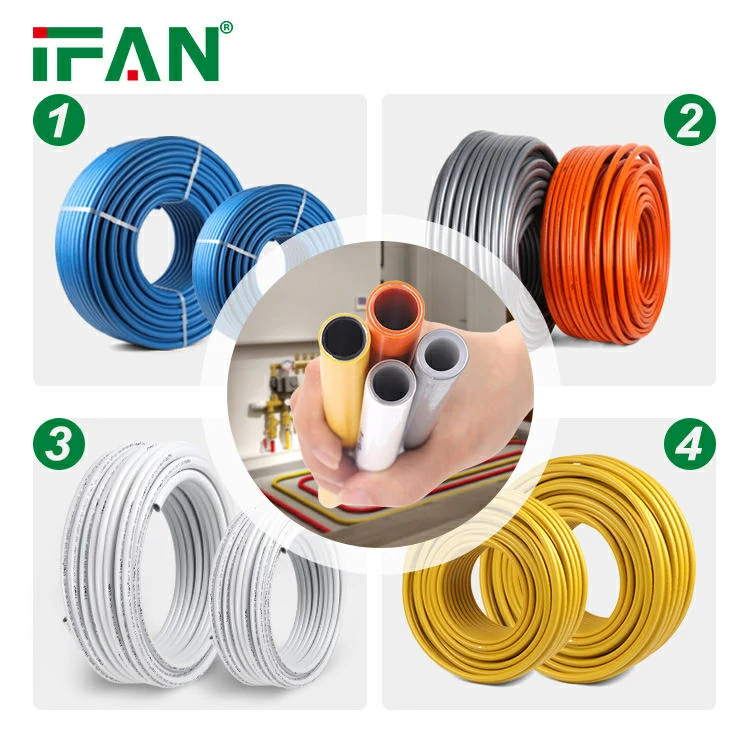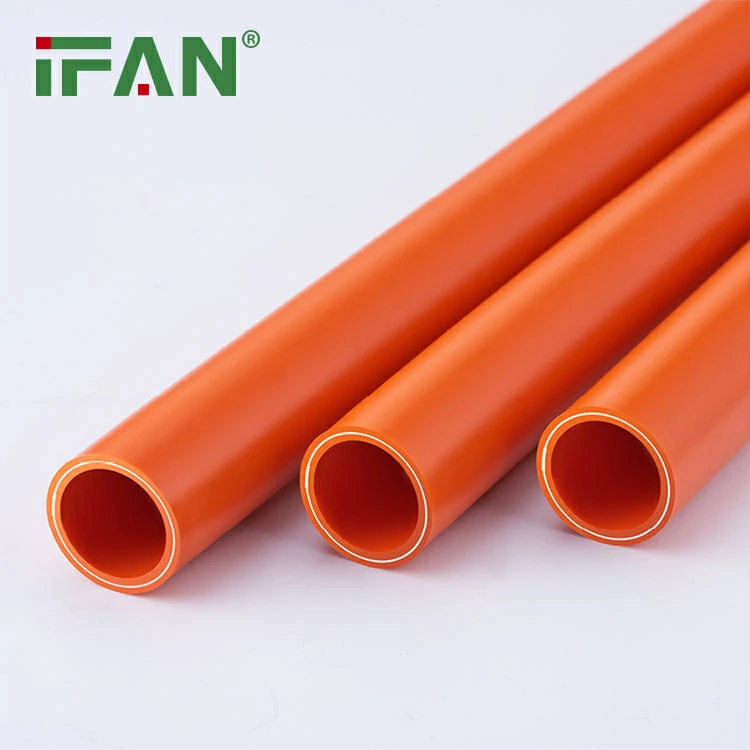
Polyvinyl chloride (PVC) pipes are a popular type of plastic piping used in a variety of applications, from plumbing to electrical wiring. Here are some key things you should know about PVC pipes:
- Composition: PVC pipes are made from a thermoplastic material called polyvinyl chloride. This material is a synthetic polymer that is derived from vinyl chloride. PVC pipes are made by extruding the polymer into a hollow tube shape.
- Strength: PVC pipes are strong and durable, with good resistance to chemicals and abrasion. They can withstand high water pressures and are not easily damaged by impact or bending. However, they can become brittle over time, especially when exposed to sunlight and extreme temperatures.
- Types: There are several types of PVC pipes, each designed for different applications. Some common types include:
- Schedule 40: This is the most common type of PVC pipe, used for general-purpose applications such as plumbing and irrigation.
- Schedule 80: This is a thicker, stronger type of PVC pipe that is used in applications where higher pressures or temperatures are expected.
- DWV (drain, waste, and vent): This type of PVC pipe is designed for use in drainage and waste systems.
- Installation: PVC pipes are easy to install, with a range of connection options such as solvent welding, threaded fittings, and compression fittings. They are lightweight and can be cut to size with a saw or pipe cutter. However, it’s important to follow proper installation procedures to ensure the pipes are joined securely and don’t leak.
- Environmental concerns: PVC pipes have been criticized for their environmental impact. The production of PVC involves the use of toxic chemicals, and the disposal of PVC waste can be problematic. However, PVC pipes are recyclable, and many manufacturers now produce “green” PVC pipes that are made with more sustainable materials and manufacturing processes.
Overall, PVC pipes are a versatile and widely used type of piping that offer many benefits in terms of strength, durability, and ease of installation. However, it’s important to be aware of their environmental impact and take steps to reduce waste and promote sustainability.