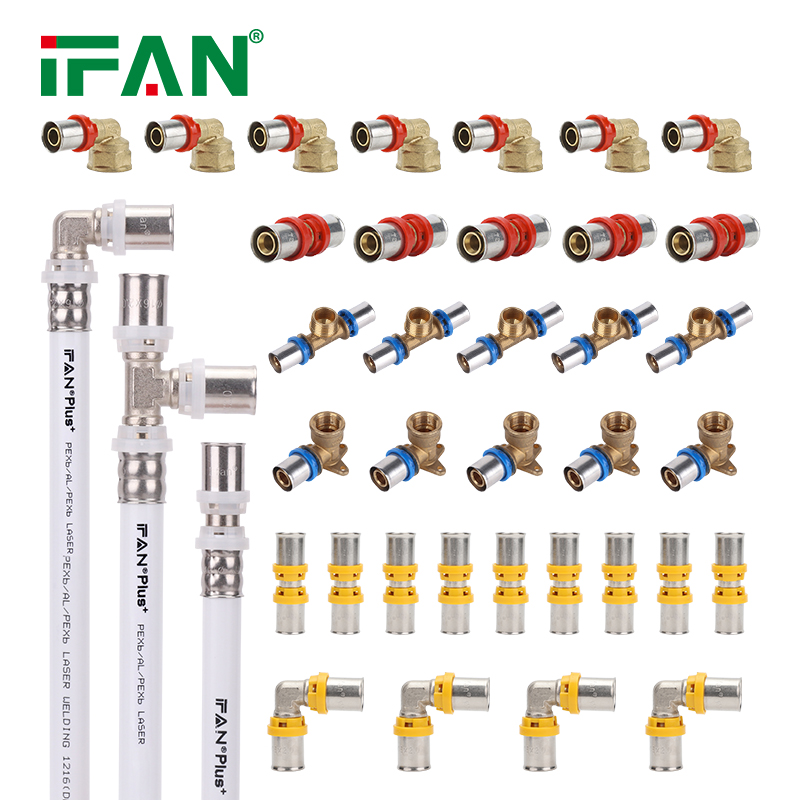
1. Brass is a copper alloy with zinc as the main alloying element. According to the chemical composition, brass is divided into ordinary copper and special brass two kinds.
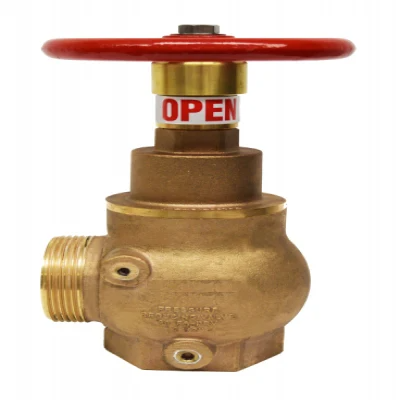
(1) Common brass Common brass is a copper zinc binary alloy. Due to its good plasticity, it is suitable for manufacturing sheet, bar, wire, pipe and deep drawing parts, such as condensing pipe, heating pipe and mechanical and electrical parts. Brass with an average copper content of 62% and 59% can also be cast and is called cast brass.
(2) Special brass In order to obtain higher strength, corrosion resistance and good casting performance, aluminum, silicon, manganese, lead, tin and other elements are added to the copper-zinc alloy to form special brass. Such as lead brass, tin brass, aluminum brass, silicon brass, manganese brass and so on.
Lead brass has excellent cutting performance and good wear resistance, and is widely used in the manufacture of watch parts, bearing bushing and bushing by casting.
Tin brass has good corrosion resistance and is widely used in the manufacture of Marine parts.
Aluminum in aluminum brass can improve the strength and hardness of brass, improve the corrosion resistance in the atmosphere, aluminum brass is used to manufacture corrosion-resistant parts.
Silicon in silicon brass can improve the mechanical properties of copper, wear resistance of corrosion resistance, silicon brass is mainly used in the manufacture of Marine parts and chemical machinery parts.
2. bronze
Bronze originally refers to copper-tin alloy, but the industry is used to copper alloys containing aluminum, silicon, lead, beryllium, manganese, etc., are also bronze, so bronze actually includes tin bronze, aluminum bronze, aluminum bronze, beryllium bronze, silicon bronze, lead bronze, etc. Bronze is also divided into two categories: pressure working bronze and cast bronze.
(1) Tin bronze A copper-based alloy with tin as the main alloying element is called tin bronze. The tin bronze used in industry has a tin content mostly between 3% and 14%. Tin bronze with less than 5% tin content is suitable for cold processing; Tin bronze with tin content of 5% ~ 7% is suitable for hot working. Tin bronze with a tin content greater than 10% is suitable for casting. Tin bronze is widely used in shipbuilding, chemical industry, machinery, instrumentation and other industries, mainly used in the manufacture of bearing, bushing and other wear-resistant parts, spring and other elastic components and corrosion resistance, diamagnetic parts.
(2) Aluminum bronze Copper based alloy with aluminum as the main alloying element is called aluminum bronze. Aluminum bronze has higher mechanical properties than brass and tin bronze. The aluminum content of the actual application of aluminum bronze is between 5% and 12%, and the aluminum bronze containing 5% to 7% has the best plasticity and is suitable for cold working. After the aluminum content is greater than 7% to 8%, the strength increases, but the plasticity decreases sharply, so it is mostly used in the cast state or after hot processing. Aluminum bronze has higher wear resistance and corrosion resistance in the atmosphere, seawater, seawater carbonic acid and most organic acids than brass and tin bronze. Aluminum bronze can be made of gear, shaft sleeve, worm gear and other high-strength anti-wear parts and high corrosion resistance elastic components.
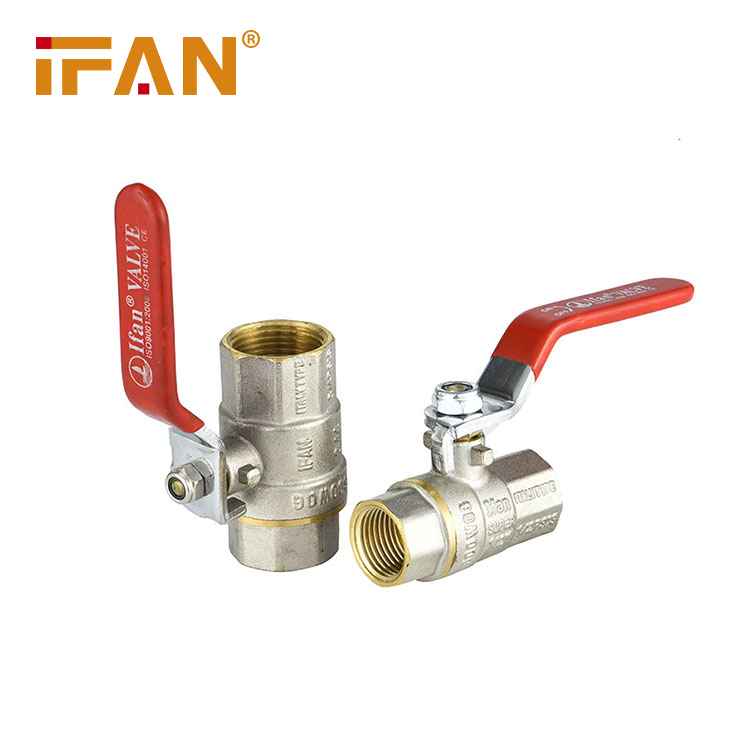
(3) Beryllium bronze The copper alloy with beryllium as the basic element is called beryllium bronze. Beryllium bronze contains 1.7% to 2.5% beryllium. The elastic limit and fatigue limit of beryllium bronze are very high, excellent wear resistance and corrosion resistance, good electrical and thermal conductivity, but also has the advantages of non-magnetic, no spark when impacted. Beryllium bronze is mainly used in the production of important springs of precision instruments, clock gears, bearings and bushings working under high speed and high pressure, as well as electrodes of electric welding machines, explosion-proof tools, Marine compasses and other important parts.