Introduction:
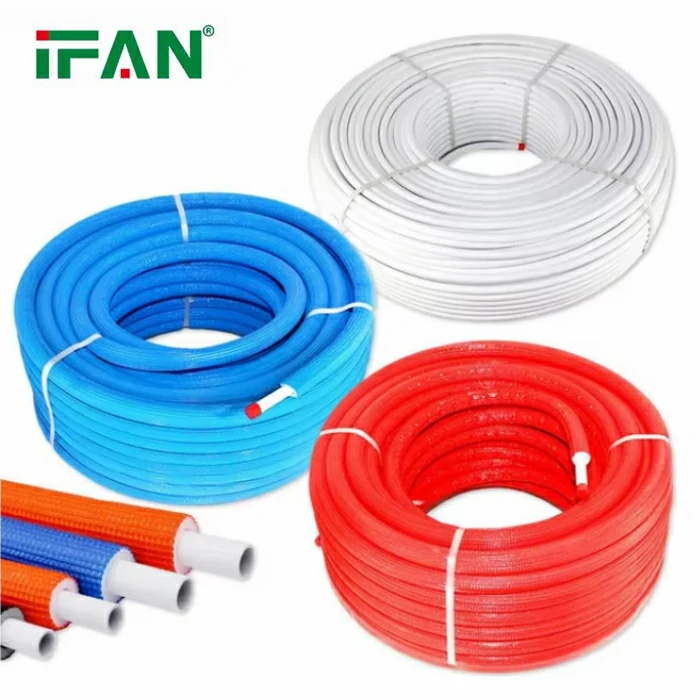
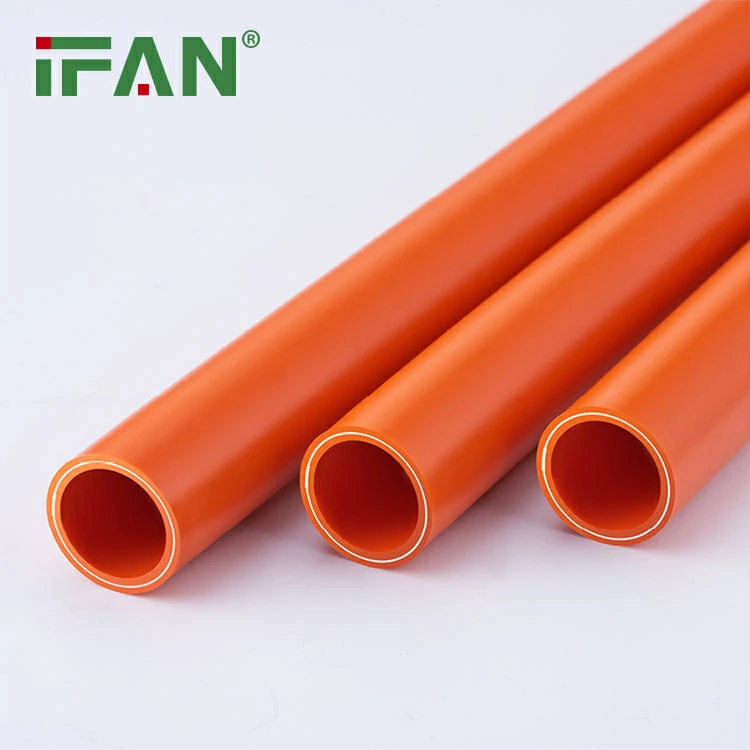
In the HVAC industry, insulation pipes play a crucial role in maintaining the efficiency of the systems. Insulation pipes are designed to protect pipes from external conditions such as temperature variations, moisture, and weather conditions. Insulated pipes are commonly used in heating, ventilation, and air conditioning (HVAC) systems to keep them functioning correctly. The role of insulation pipes in the HVAC industry has remained vital in recent years. This article will discuss the role and emerging trends of insulation pipes in the HVAC industry.
Role Of Insulation Pipes In The HVAC Industry:
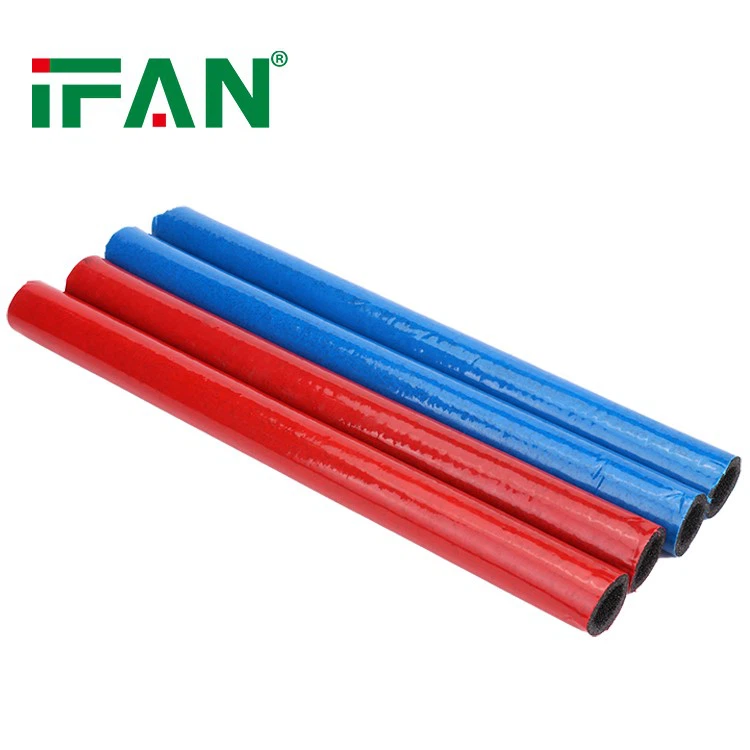
Insulated pipes in the HVAC systems prevent heat from escaping, keep the pipe contents at a consistent temperature, and help in reducing energy usage. Insulated pipes help to increase the efficiency of the HVAC system by decreasing the amount of energy used for heating or cooling. The insulation pipe plays a vital role in transferring energy efficiently and maintaining high levels of system performance. Insulated pipes are specially designed to save energy, reduce greenhouse emissions, minimize heat loss, and avoid expensive energy bills.
Types Of Insulation Pipes Used In The HVAC Industry:
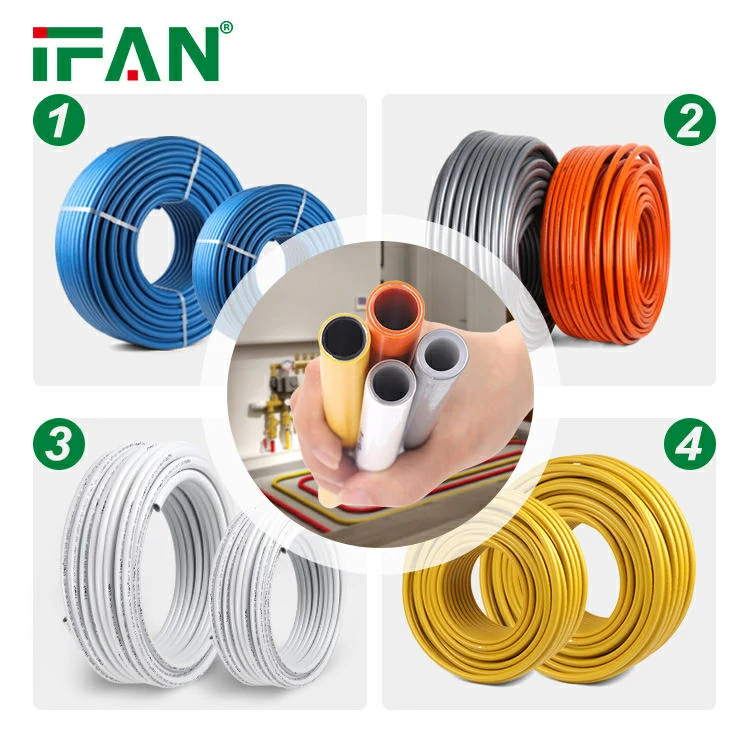
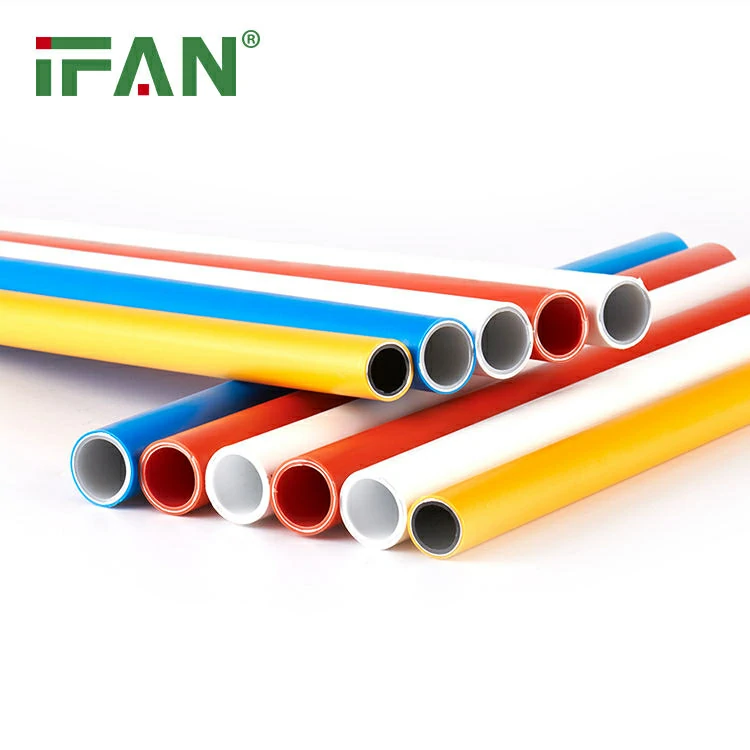
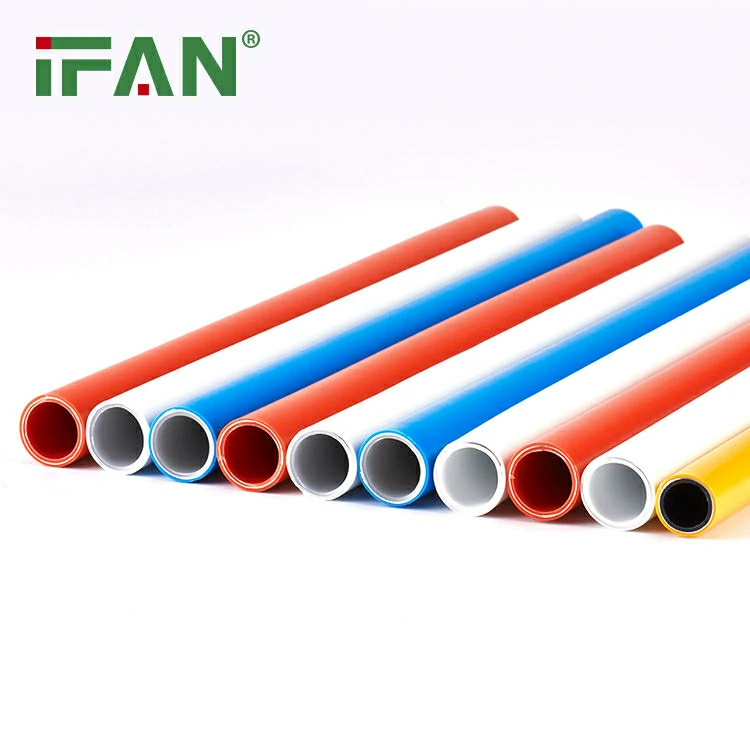
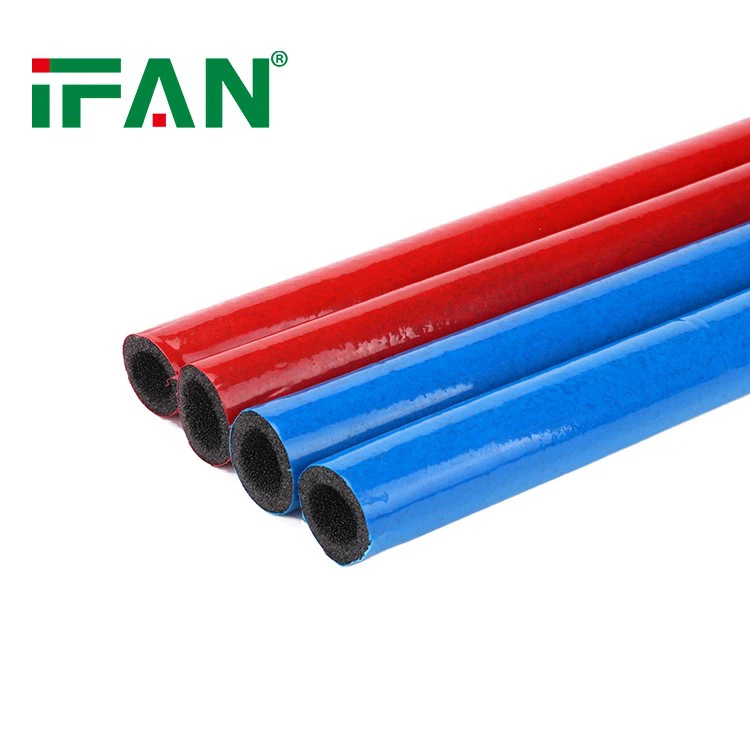
There are various types of insulation pipes used in the HVAC industry. These include:
1. Fiberglass insulation pipes: These insulated pipes are made of fiberglass and are suitable for high-temperature applications. They are made using a resin binder and can withstand temperatures up to 850 degrees Celsius.
2. Polystyrene insulation pipes: These insulated pipes are designed to maintain the temperature of water moving through the pipes. They are ideal for use in cold climates and can withstand temperatures up to 75 degrees Celsius.
3. Polyurethane insulation pipes: These insulated pipes are commonly used in heating systems and can withstand temperatures up to 140 degrees Celsius. They are produced by injecting polyurethane foam between a duct and the inner pipe.
Emerging Trends In Insulation Pipes:
Insulation pipes have become increasingly important in the HVAC industry as new trends emerge. The HVAC industry continues to be innovative and has seen several developments in insulation pipes, which have improved their functionalities and capabilities. Some of the emerging trends in insulation pipes include:
1. Enhancements in the quality of insulation: Insulation pipes have become more resistant to heat and temperature fluctuations. There has been a shift towards higher-quality insulation materials that can withstand higher temperatures and offer better insulation capabilities. Manufacturers now offer insulation pipes with higher levels of insulation, such as double-layered insulation.
2. Emphasis on sustainability: Sustainability is a crucial aspect of modern-day life. In the HVAC industry, sustainable insulation materials such as eco-fiberglass, natural fibers, and plant-based materials are being used. These materials help to reduce energy loss, cut operating costs, and minimize greenhouse gas emissions.
3. IoT and smart technology: The HVAC industry is moving towards the use of smart technology and IoT (Internet of Things) applications. Insulation pipes can be integrated with sensors to detect temperature changes, humidity, and other environmental factors in real-time. This enables users to get real-time data on HVAC performance and make the necessary adjustments.
Conclusion:
Insulation pipes play a crucial role in ensuring the efficiency of HVAC systems. The insulation industry has been growing over the years, and with emerging trends, there are more innovative solutions for HVAC insulation. As manufacturers continue to seek better insulation materials and technologies, the HVAC industry can expect improved performance and more sustainable practices. It is essential that industry professionals familiarize themselves with the latest trends in insulation pipes to stay ahead of the game and deliver satisfying results to their clients.