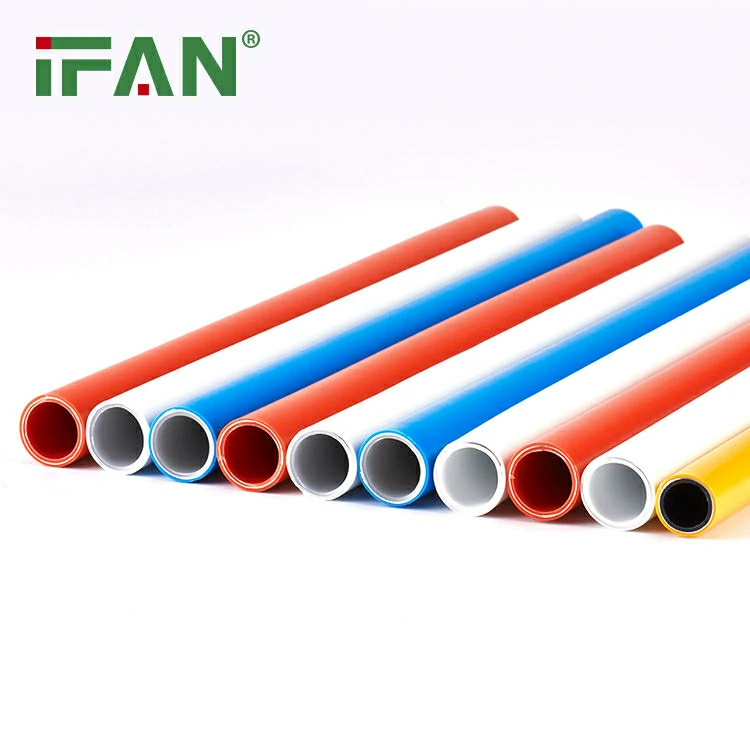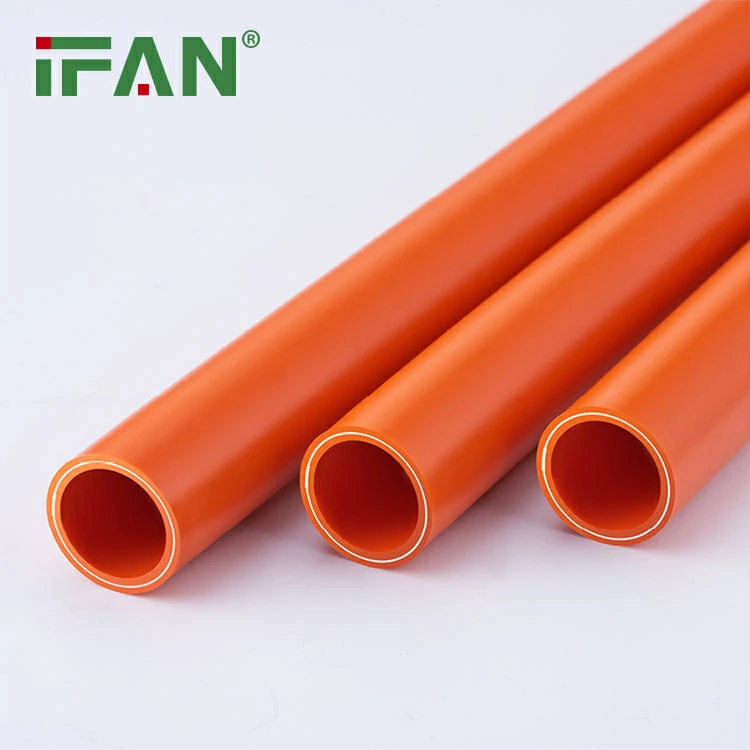
Introduction to PVC, UPVC, PP, and PE
PVC, UPVC, PP, and PE are all types of plastic materials that are commonly used in various applications. Each material has its own unique properties that make it suitable for specific uses. In this article, we will discuss the differences between PVC, UPVC, PP, and PE in detail.
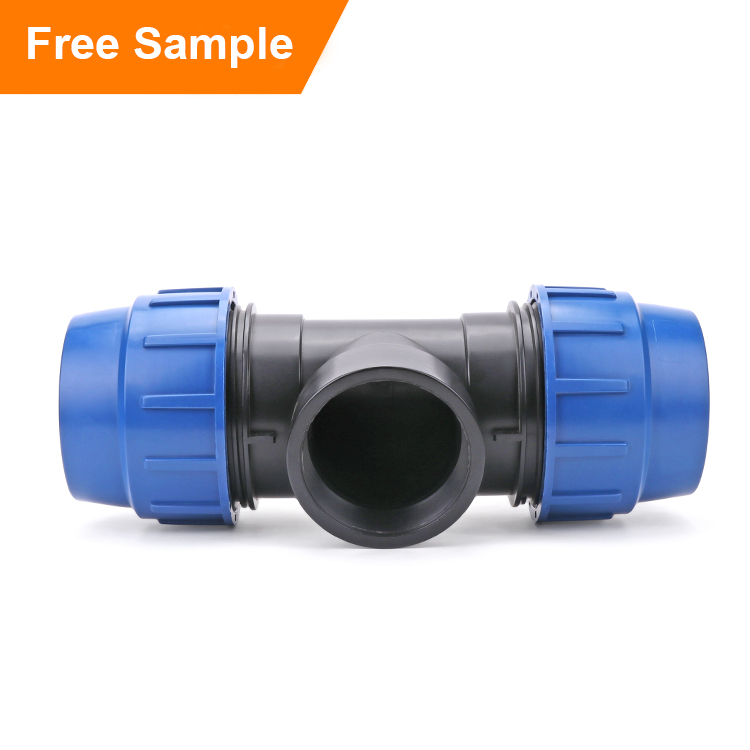
PVC (Polyvinyl Chloride)
PVC is a thermoplastic material that is commonly used in construction, electronics, and medical applications. It is a versatile material that is known for its durability, strength, and chemical resistance. Some of the key features of PVC are:
- Low Cost: PVC is a cost-effective material that is widely available.
- Chemical Resistance: PVC is resistant to a wide range of chemicals, making it suitable for use in harsh environments.
- Durability: PVC is a durable material that can withstand high pressures and temperatures.
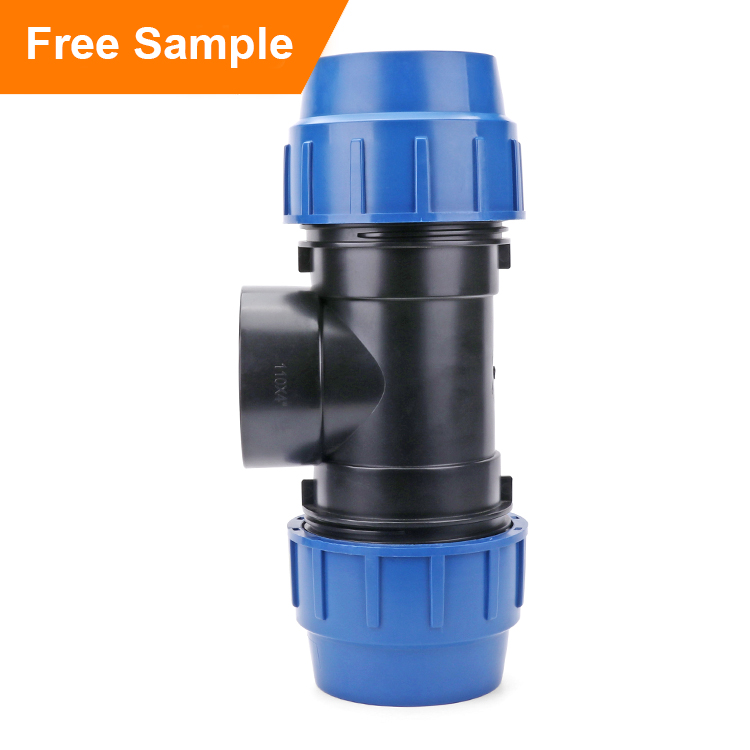
UPVC (Unplasticized Polyvinyl Chloride)
UPVC is a type of PVC that is not plasticized, making it more rigid and less flexible than traditional PVC. It is commonly used in construction and plumbing applications. Some of the key features of UPVC are:
- High Strength: UPVC is a strong and rigid material that is suitable for use in demanding applications.
- Chemical Resistance: UPVC is resistant to a wide range of chemicals, making it suitable for use in harsh environments.
- Low Maintenance: UPVC requires minimal maintenance and is easy to clean.
PP (Polypropylene)
PP is a thermoplastic material that is commonly used in packaging, automotive, and construction applications. It is a lightweight material that is known for its high chemical resistance and durability. Some of the key features of PP are:
- Chemical Resistance: PP is resistant to a wide range of chemicals, making it suitable for use in harsh environments.
- Durability: PP is a durable material that can withstand high pressures and temperatures.
- Lightweight: PP is a lightweight material that is easy to handle and transport.
PE (Polyethylene)
PE is a thermoplastic material that is commonly used in packaging, automotive, and construction applications. It is a lightweight material that is known for its high chemical resistance and durability. Some of the key features of PE are:
- Chemical Resistance: PE is resistant to a wide range of chemicals, making it suitable for use in harsh environments.
- Durability: PE is a durable material that can withstand high pressures and temperatures.
- Lightweight: PE is a lightweight material that is easy to handle and transport.
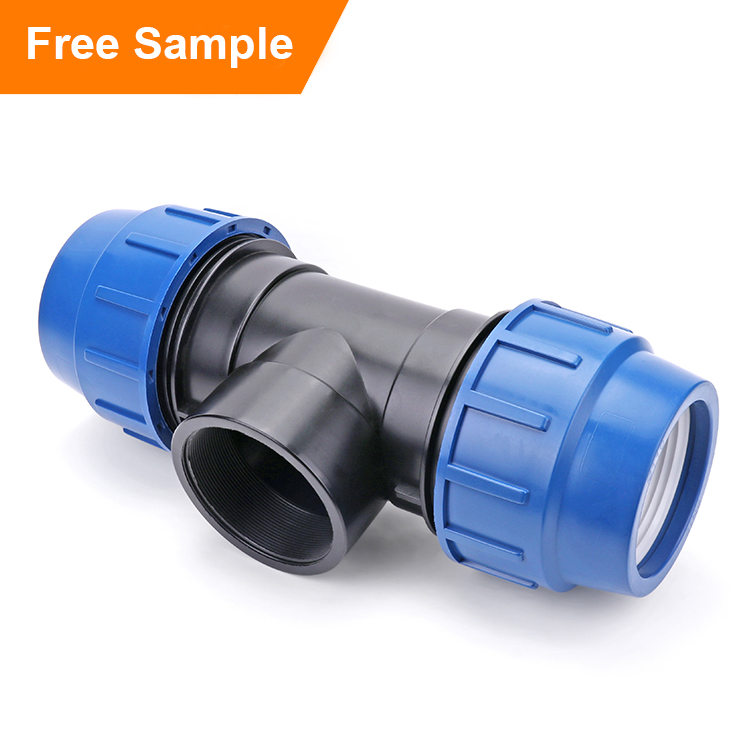
Differences between PVC, UPVC, PP, and PE
- Material: PVC and UPVC are both made from polyvinyl chloride, while PP and PE are made from polypropylene and polyethylene, respectively.
- Flexibility: PVC is a flexible material, while UPVC is more rigid. PP and PE are both flexible materials.
- Chemical Resistance: PVC, UPVC, PP, and PE all have high chemical resistance, but the specific chemicals they are resistant to may vary.
- Durability: PVC, UPVC, PP, and PE are all durable materials that can withstand high pressures and temperatures.
- Cost: PVC and UPVC are generally more cost-effective than PP and PE.
Conclusion
PVC, UPVC, PP, and PE are all commonly used plastic materials that have unique properties that make them suitable for specific applications. PVC and UPVC are commonly used in construction and plumbing applications, while PP and PE are commonly used in packaging, automotive, and construction applications. Each material has its own unique features and benefits, making it important to choose the right material for the specific application.