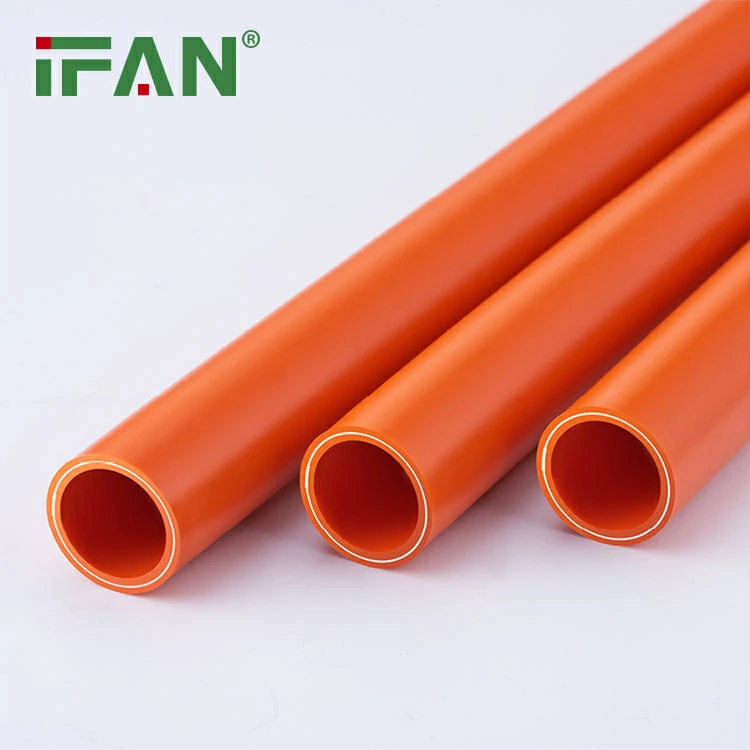
Is CPVC safer than PEX?
When comparing the safety of CPVC (chlorinated polyvinyl chloride) and PEX (cross-linked polyethylene) pipes, it is important to consider various factors. Here are some key considerations regarding the safety of CPVC and PEX pipes:
1. Chemical Safety:
- CPVC: CPVC pipes are manufactured using a process that involves chlorination, which enhances their chemical resistance. CPVC pipes are known for their ability to withstand exposure to various chemicals and corrosive substances commonly found in plumbing systems.
- PEX: PEX pipes are generally considered safe for use in plumbing systems. They are chemically inert and do not release harmful substances into the water. However, certain factors, such as UV exposure or contact with specific chemicals, can impact the safety of PEX pipes. It is important to consult with manufacturers and follow their recommendations regarding specific applications and limitations.
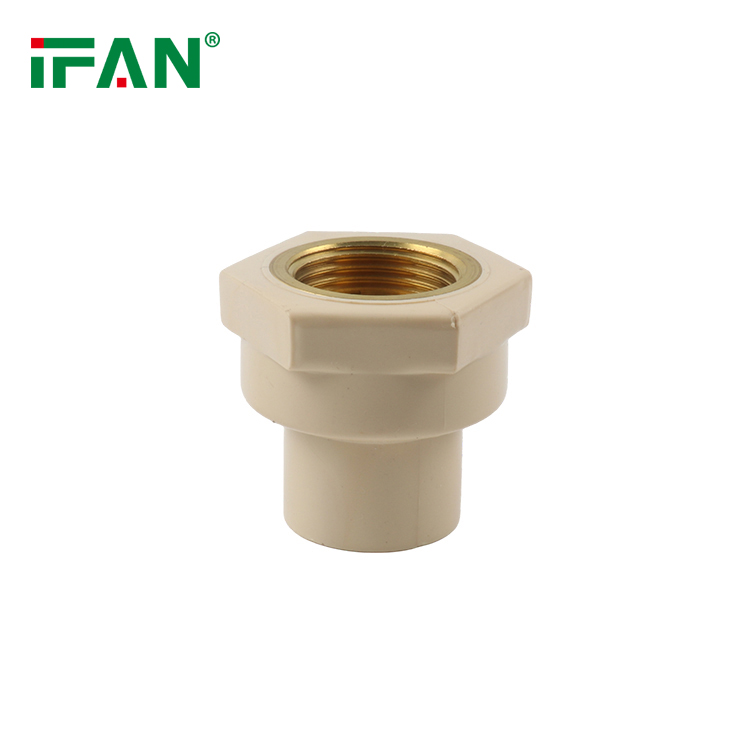
2. Health Concerns:
- CPVC: CPVC pipes are designed for transporting potable water, and they comply with relevant health and safety standards. CPVC is not known to leach harmful substances into the water when used properly.
- PEX: PEX pipes are also approved for potable water applications and have been extensively tested for health and safety. They are generally considered safe and do not introduce harmful contaminants into the water when installed and used according to manufacturer instructions.
3. Temperature Resistance:
- CPVC: CPVC pipes have a higher temperature resistance compared to PEX. They can handle hot water at elevated temperatures without significant degradation or leaching of harmful substances.
- PEX: PEX pipes have lower temperature resistance compared to CPVC. While they can handle hot water, there may be limitations on the maximum temperature that PEX pipes can withstand. It is important to adhere to manufacturer specifications and local regulations regarding temperature limits.
4. Installation Safety:
- CPVC: Proper installation techniques are crucial for the safety of CPVC pipes. Following manufacturer instructions and industry best practices is important to ensure secure joints, prevent leaks, and minimize the risk of failures.
- PEX: PEX pipes are known for their ease of installation. However, proper installation techniques, including correct fitting and crimping, are essential to ensure safe and reliable connections.
5. Regulatory Compliance:
- Both CPVC and PEX pipes are approved for use in plumbing systems and comply with relevant health and safety standards. They undergo rigorous testing to ensure they meet these requirements.
It is important to note that the safety of CPVC and PEX pipes relies on proper installation, adherence to manufacturer guidelines, and compliance with local codes and regulations. Consulting with plumbing professionals or experts can provide valuable insights and recommendations tailored to your specific needs and circumstances.