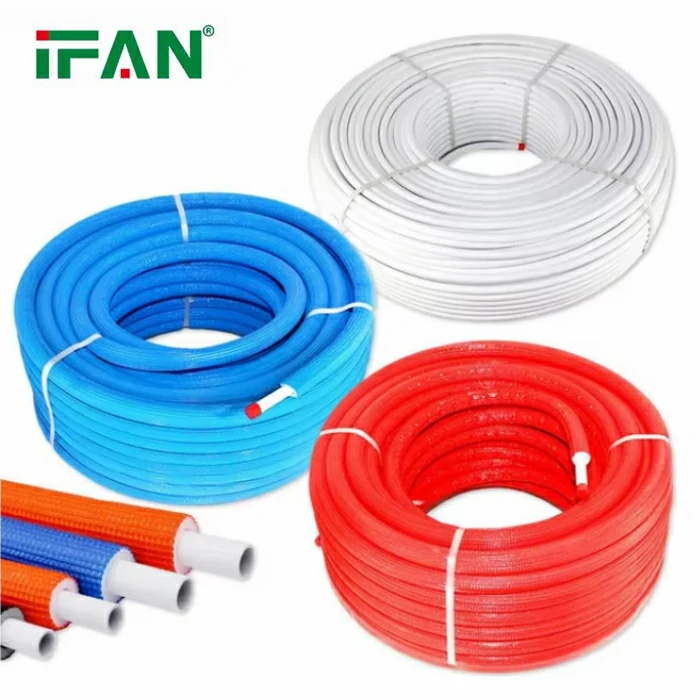
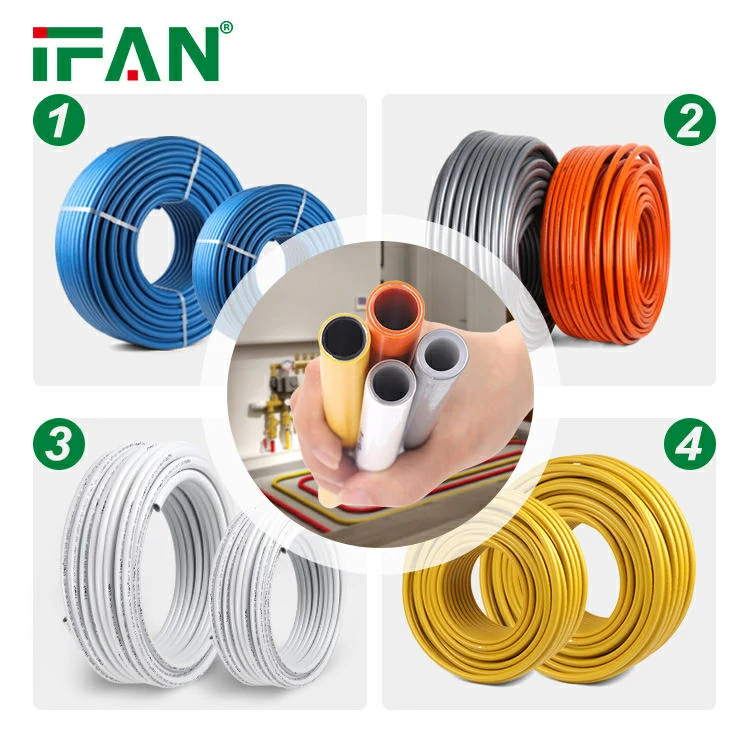
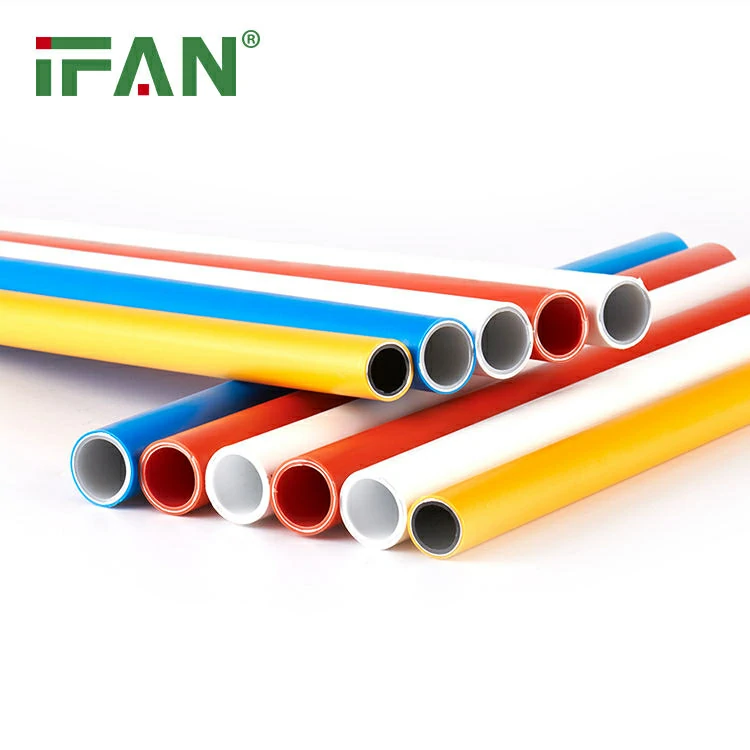
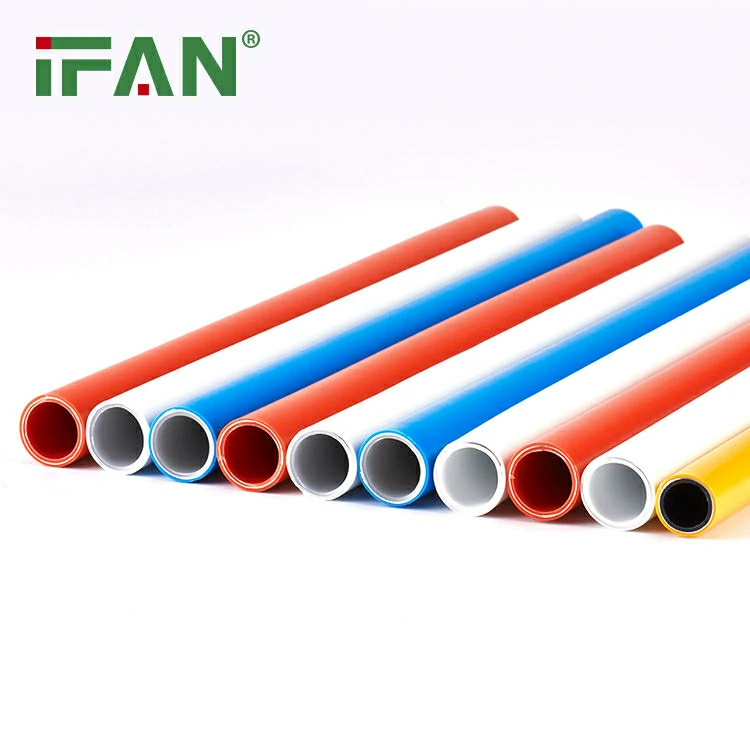
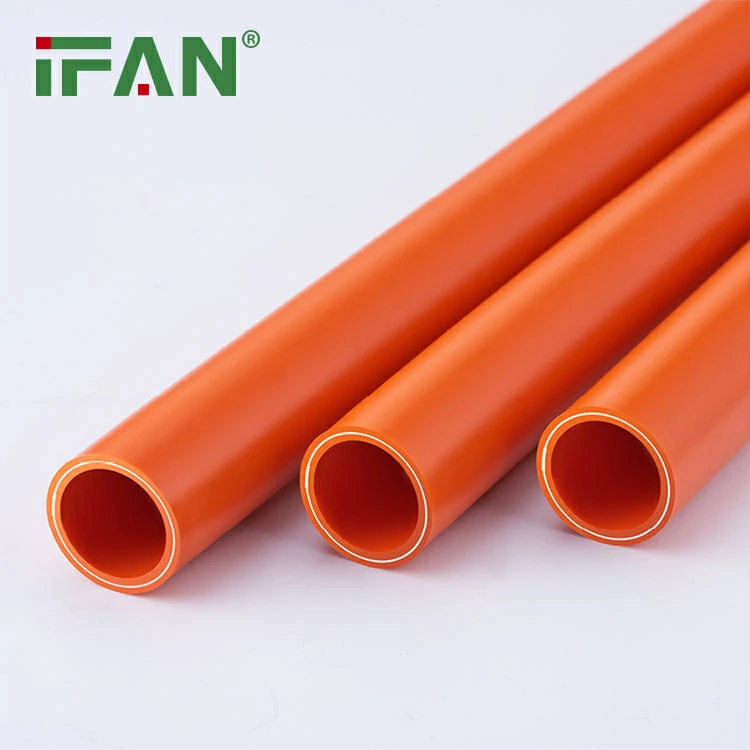
PPR Pipe & Fittings: A Comprehensive Guide
PPR (Polypropylene Random) pipes and fittings are widely used in plumbing systems due to their excellent properties and numerous advantages. This comprehensive guide provides an in-depth overview of PPR pipes and fittings, covering their composition, types, benefits, installation methods, and applications.
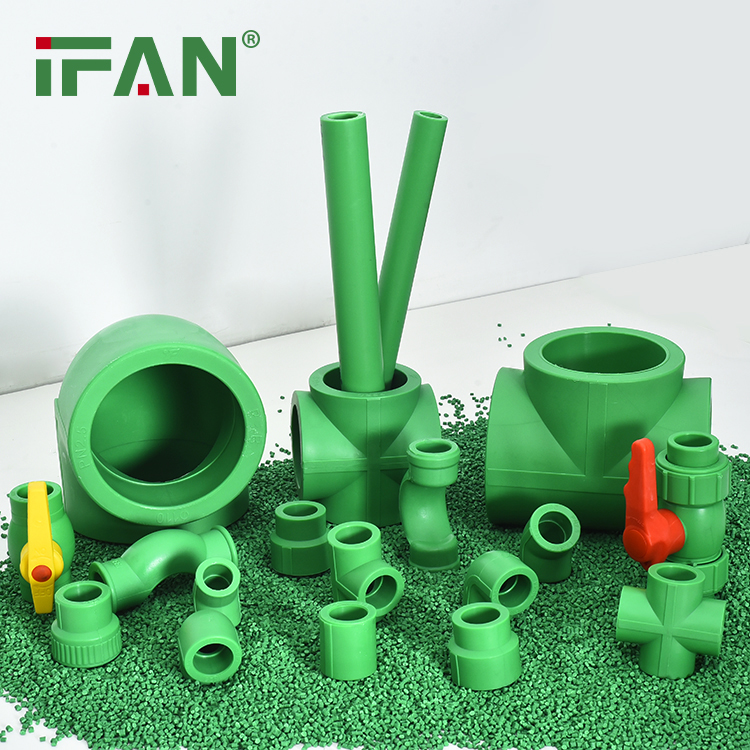
Composition of PPR Pipes
PPR pipes are made from a type of plastic called polypropylene random copolymer. This material offers exceptional strength, durability, and resistance to heat, chemicals, and pressure. It ensures reliable performance in a wide range of plumbing applications.
Types of PPR Fittings
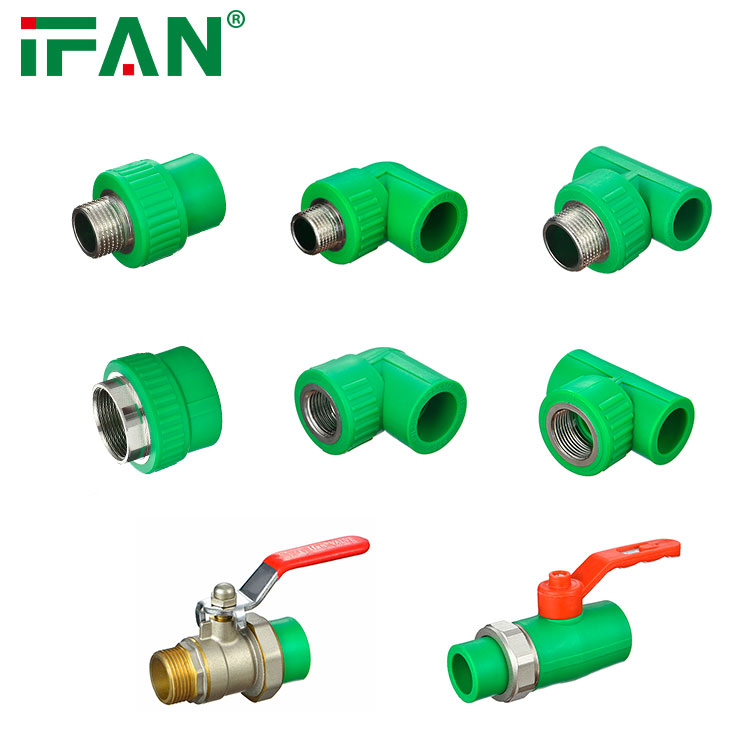
PPR fittings are available in various types to suit specific plumbing needs. Some common types include:
- Socket Fusion Fittings: These fittings have a socket-like structure that allows the PPR pipes to be fused together securely using heat and pressure.
- Threaded Fittings: Threaded fittings feature male or female threads on their ends, enabling easy connection and disconnection of PPR pipes.
- Compression Fittings: Compression fittings utilize compression rings and nuts to create a tight seal between PPR pipes, ensuring leak-free connections.
- Transition Fittings: Transition fittings are used to connect PPR pipes to pipes made from different materials, facilitating seamless integration into existing plumbing systems.
Benefits of PPR Pipe & Fittings
PPR pipes and fittings offer several advantages over traditional plumbing materials:
- Corrosion Resistance: PPR pipes and fittings are highly resistant to corrosion, ensuring longevity and preventing the formation of scale and deposits.
- High-Temperature Resistance: PPR pipes can withstand high temperatures, making them ideal for both hot and cold water applications.
- Chemical Resistance: PPR pipes and fittings are resistant to a wide range of chemicals, ensuring compatibility with various plumbing systems.
- Low Thermal Conductivity: PPR pipes have low thermal conductivity, reducing heat loss and promoting energy efficiency.
- Easy Installation: PPR pipes and fittings are lightweight and easy to handle, simplifying the installation process and saving time.
Installation Methods
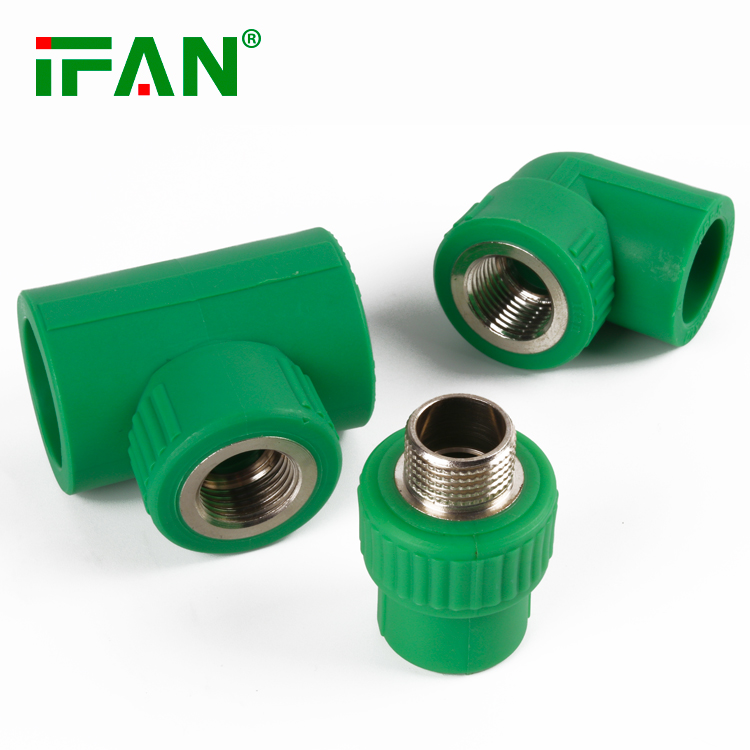
PPR pipes and fittings can be installed using two primary methods:
- Heat Fusion: Heat fusion involves heating the PPR fitting and pipe until they reach the fusion temperature. The heated parts are then pressed together to create a strong and seamless joint.
- Mechanical Assembly: Mechanical assembly involves using appropriate tools to connect PPR fittings to pipes, such as threaded fittings or compression fittings.
Applications of PPR Pipe & Fittings
PPR pipes and fittings find widespread use in various applications, including:
- Residential Plumbing: PPR pipes and fittings are commonly used in residential plumbing systems for water supply, drainage, and gas distribution.
- Commercial and Industrial Plumbing: PPR pipes and fittings are suitable for commercial and industrial plumbing, including hotels, hospitals, factories, and office buildings.
- Heating and Cooling Systems: PPR pipes and fittings are employed in heating and cooling systems, such as underfloor heating, radiator networks, and air conditioning installations.
- Agricultural Irrigation: PPR pipes and fittings are utilized in agricultural irrigation systems to ensure efficient water distribution for crops and plants.
Conclusion
PPR pipes and fittings offer a reliable and efficient solution for plumbing systems. With their exceptional properties, including corrosion resistance, high-temperature resistance, and chemical resistance, they provide durable and leak-free connections. Suitable for residential, commercial, and industrial applications, as well as heating, cooling, and agricultural systems, PPR pipes and fittings have become a preferred choice in the plumbing industry. By understanding their composition, types, benefits, installation methods, and applications, professionals can make informed decisions when selecting PPR pipe and fittings for their specific plumbing needs.