When it comes to connecting PEX (cross-linked polyethylene) pipes, two popular methods are PEX Press and PEX Crimp. This comprehensive comparison aims to highlight the differences between these two techniques, including the tools used, installation process, reliability, and applications.
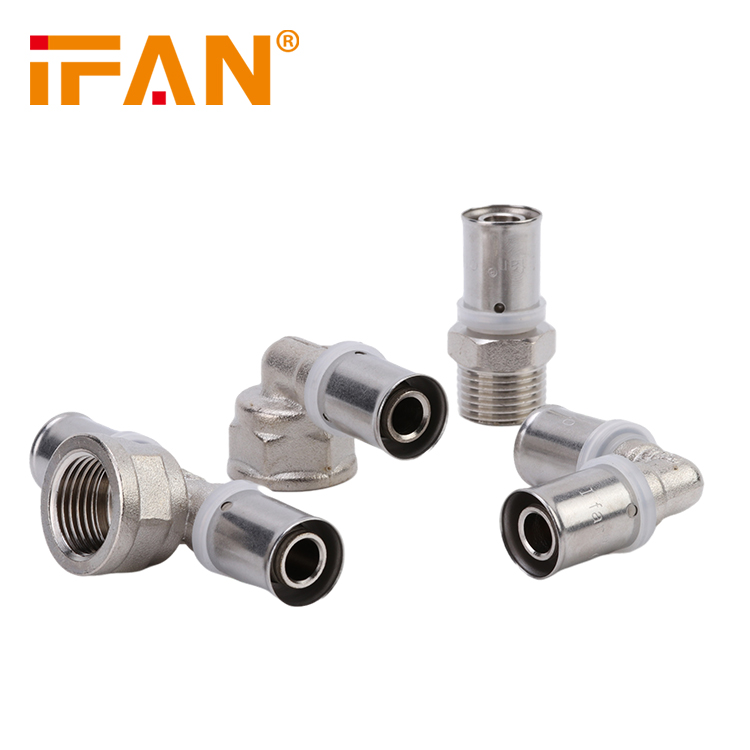
PEX Press Method
The PEX Press method involves using specialized press tools to create a secure connection between PEX pipes and fittings. Here are the key aspects of this method:
- Tools: PEX Press requires a press tool specifically designed for PEX press fittings. These tools apply pressure to the fitting, effectively deforming it and creating a tight seal with the PEX pipe.
- Process: With PEX Press, the press tool is used to compress the fitting onto the PEX pipe, forming a reliable and leak-free joint. The tool provides a visual and tactile indication when the connection is complete.
- Reliability: PEX Press fittings offer excellent reliability due to the consistent application of pressure across the entire joint. The resulting connection is strong, secure, and resistant to leaks.
- Applications: PEX Press is widely used in various applications, including residential and commercial plumbing systems, radiant heating, and snow melting systems.
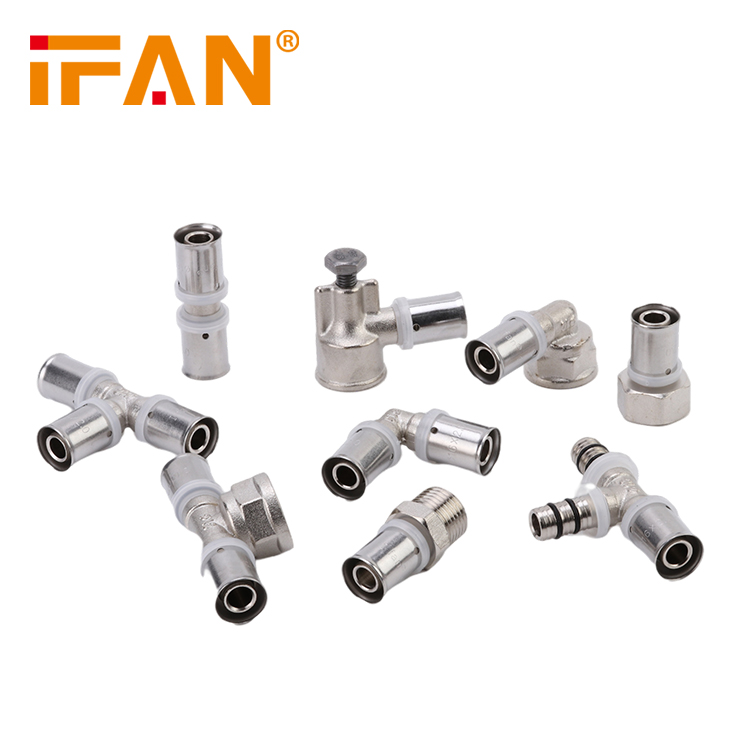
PEX Crimp Method
The PEX Crimp method utilizes crimp rings or cinch clamps to create a connection between PEX pipes and fittings. Here are the key aspects of this method:
- Tools: PEX Crimp requires a crimp tool or a cinch tool, depending on the type of connection used. Crimp tools compress a metal ring around the fitting, while cinch tools tighten a stainless-steel clamp.
- Process: In the PEX Crimp method, the crimp ring or cinch clamp is placed over the PEX fitting, and the crimp or cinch tool is used to compress the ring or clamp onto the pipe. This creates a secure joint.
- Reliability: PEX Crimp connections are generally reliable when installed correctly. However, the quality of the crimp or cinch tool, as well as the accuracy of the installation, can influence the overall reliability of the connection.
- Applications: PEX Crimp is commonly used in residential plumbing applications, such as water supply lines, hot water distribution, and radiant floor heating systems.
Comparison of PEX Press and PEX Crimp
Here are the key differences between PEX Press and PEX Crimp methods:
- Tools: PEX Press requires a specialized press tool, while PEX Crimp requires a crimp or cinch tool. Press tools are typically more expensive but offer precise and consistent results.
- Installation Process: PEX Press involves a straightforward process of pressing the fitting onto the pipe, while PEX Crimp requires positioning and compressing a metal ring or clamp.
- Reliability: PEX Press is generally considered more reliable due to the even application of pressure, resulting in consistent and secure connections. PEX Crimp relies on the accuracy of the crimp or cinch tool and the installer’s technique.
- Applications: PEX Press is suitable for a wide range of applications, including residential and commercial plumbing, radiant heating, and snow melting. PEX Crimp is primarily used in residential plumbing projects.
Conclusion
While both PEX Press and PEX Crimp methods provide reliable connections, they differ in terms of tools, installation process, reliability, and applications. PEX Press offers precise and consistent results, making it suitable for a wide range of applications. PEX Crimp is commonly used in residential plumbing projects where a cost-effective solution is desired. Understanding the differences between these two methods allows professionals to choose the most appropriate technique for their specific needs.