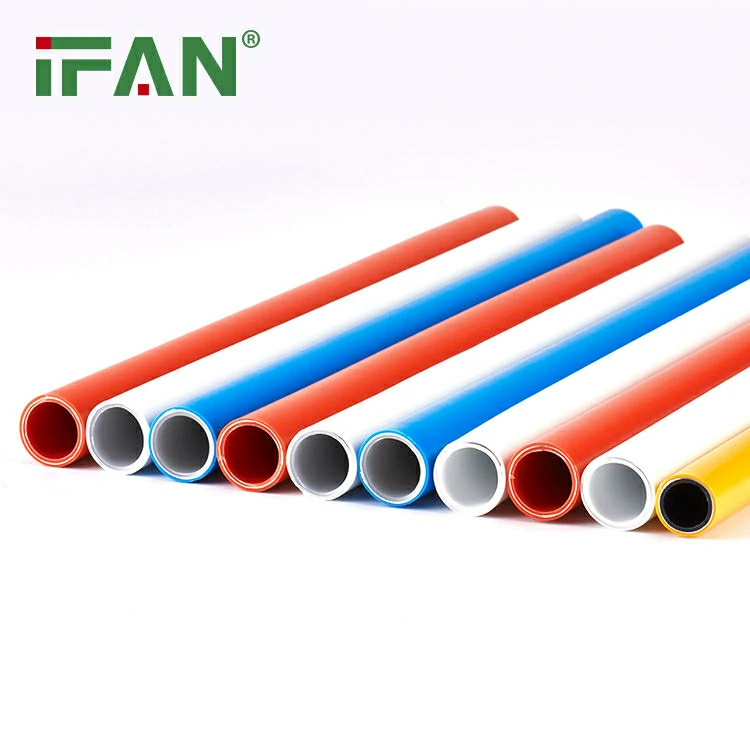
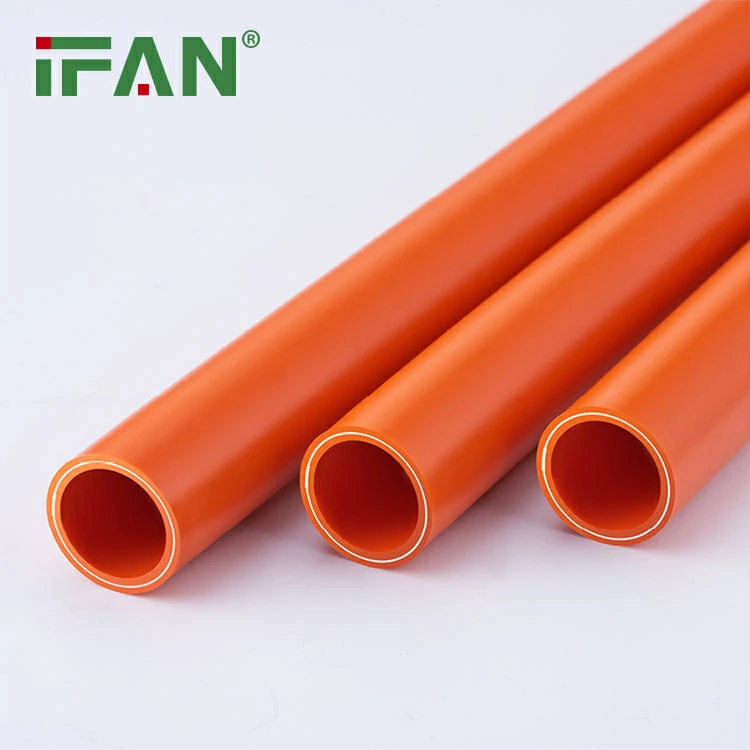
Can You Use Press Fittings on PEX? A Comprehensive Guide
Press fittings have gained popularity in plumbing systems due to their efficiency and reliability. This comprehensive guide explores the use of press fittings specifically on PEX (cross-linked polyethylene) pipes. It delves into the compatibility, advantages, installation process, and applications of using press fittings on PEX pipes.
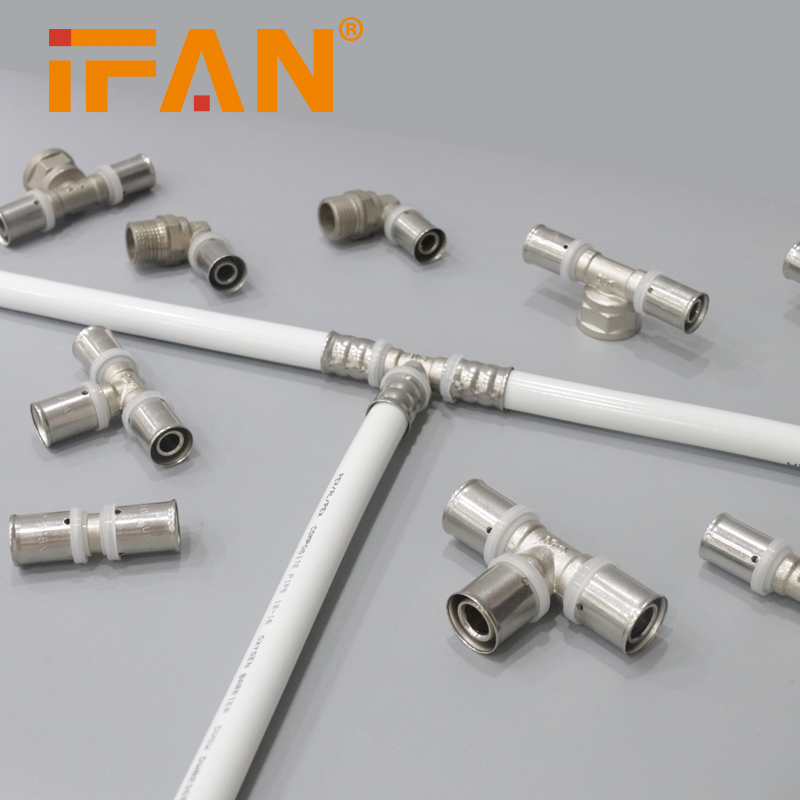
Compatibility of Press Fittings with PEX
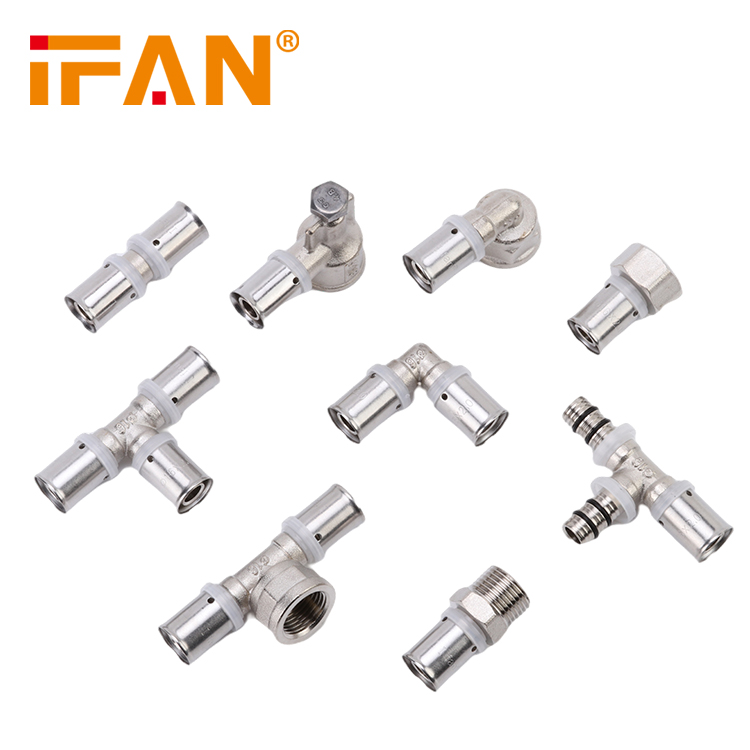
Press fittings are compatible with PEX pipes and provide a secure connection. These fittings are designed to work specifically with PEX, ensuring a proper fit and preventing leaks or failures. It is essential to select press fittings that are specifically designed for PEX pipes to ensure compatibility and optimal performance.
Advantages of Using Press Fittings on PEX
Utilizing press fittings on PEX pipes offers numerous benefits:
- Quick and Easy Installation: Press fittings allow for a swift and straightforward installation process. The press connection eliminates the need for complex soldering or threading techniques, reducing labor and installation time.
- Reliable and Leak-Free Joints: Press fittings create a tight and reliable connection, ensuring leak-free joints. The pressing process forms a secure seal, reducing the risk of water damage and costly repairs.
- No Flame or Heat Required: Press fittings remove the need for an open flame or heat source, making the installation process safer and more convenient. This eliminates the risks associated with soldering, such as fire hazards and pipe damage.
- Versatile Applications: Press fittings can be used in a wide range of PEX plumbing applications, including water supply lines, radiant floor heating systems, and hydronic heating systems. They are compatible with both residential and commercial plumbing projects.
- Durability and Longevity: The combination of PEX pipes and press fittings ensures a durable and long-lasting plumbing system. PEX pipes have excellent resistance to corrosion, scale buildup, and freeze damage, while press fittings provide a reliable connection that withstands the test of time.
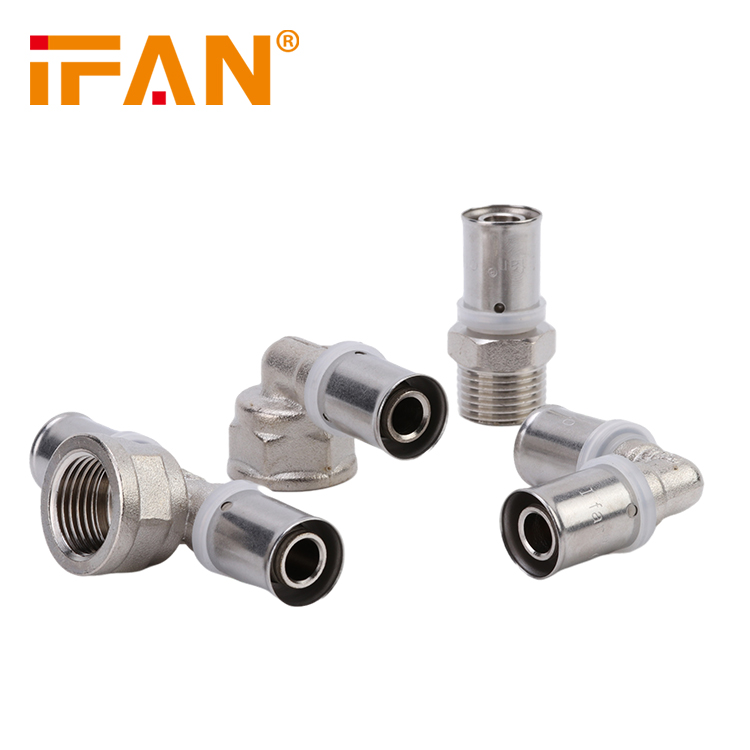
Installation Process
The installation process of press fittings on PEX pipes involves the following steps:
- Prepare the Pipe: Cut the PEX pipe to the desired length using a PEX pipe cutter. Ensure the ends are clean and free from debris that could affect the connection.
- Insert the Fitting: Place the press fitting onto the end of the PEX pipe. Ensure the fitting is correctly aligned.
- Press the Connection: Use a compatible press tool to apply pressure to the fitting and PEX pipe. The tool compresses the fitting, creating a secure and watertight seal.
- Confirm the Connection: Verify that the press fitting is fully engaged by checking for visual indicators, such as press tool marks or color-changing o-rings. This ensures a proper and secure connection.
Applications of Press Fittings on PEX
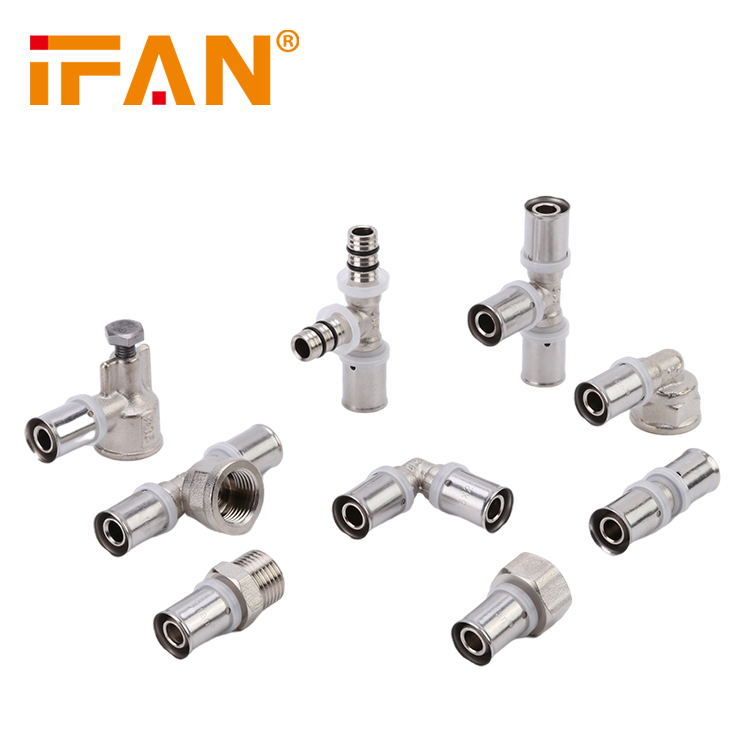
Press fittings on PEX pipes find extensive application in various plumbing systems, including:
- Residential Plumbing: Press fittings are commonly used in residential plumbing systems for water supply lines, hot water distribution, and hydronic heating systems.
- Commercial Plumbing: Press fittings are suitable for commercial plumbing projects, such as office buildings, hotels, and multi-unit residential complexes.
- Radiant Heating Systems: Press fittings on PEX pipes are ideal for radiant floor heating systems, providing efficient and even heat distribution throughout the space.
- Potable Water Systems: Press fittings ensure a safe and reliable connection in potable water systems, meeting the necessary standards for clean water supply.
Conclusion
Press fittings are compatible and highly effective when used on PEX pipes. The advantages of using press fittings on PEX, such as quick installation, reliable joints, and versatile applications, make them a preferred choice in plumbing systems. Whether in residential or commercial settings, press fittings on PEX pipes provide a durable and efficient solution for various plumbing needs. By following the proper installation process, professionals can confidently utilize press fittings on PEX pipes for their plumbing projects.