Brass Ball Valves vs. Other Materials: Why Brass is a Preferred Choice
Introduction
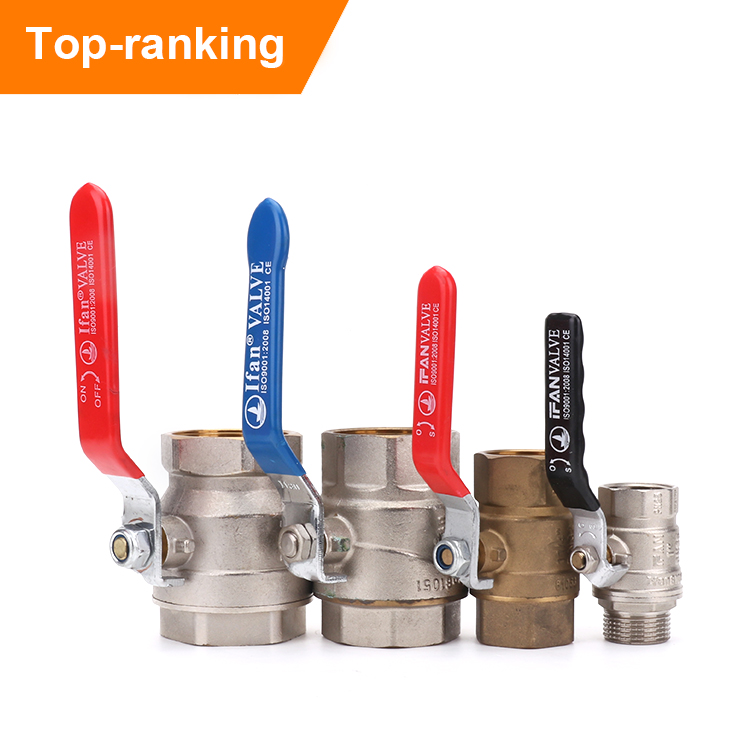
When it comes to selecting ball valves for plumbing systems, there are various material options available, including brass, stainless steel, and plastic. However, brass ball valves have gained popularity and are often the preferred choice for many applications. In this article, we will compare brass ball valves with other materials, highlighting the advantages of brass and exploring why it is the preferred choice in plumbing systems. Let’s break down this topic into easy-to-understand sections.
1. Durability and Strength
One of the key advantages of brass ball valves over other materials is their durability and strength. Brass is a robust alloy that can withstand high pressures and temperature variations commonly encountered in plumbing applications. It is also less prone to cracking and damage compared to materials like plastic. This durability ensures the longevity of the valve, reducing the need for frequent replacements and costly repairs.
2. Corrosion Resistance
Brass ball valves are highly resistant to corrosion, making them suitable for plumbing systems where exposure to water and other corrosive elements is common. Stainless steel valves are also corrosion-resistant, but brass offers better resistance to certain chemicals and environments. This corrosion resistance ensures that the valve maintains its performance and functionality over time, reducing the risk of leaks and ensuring efficient flow control.
3. Ease of Installation
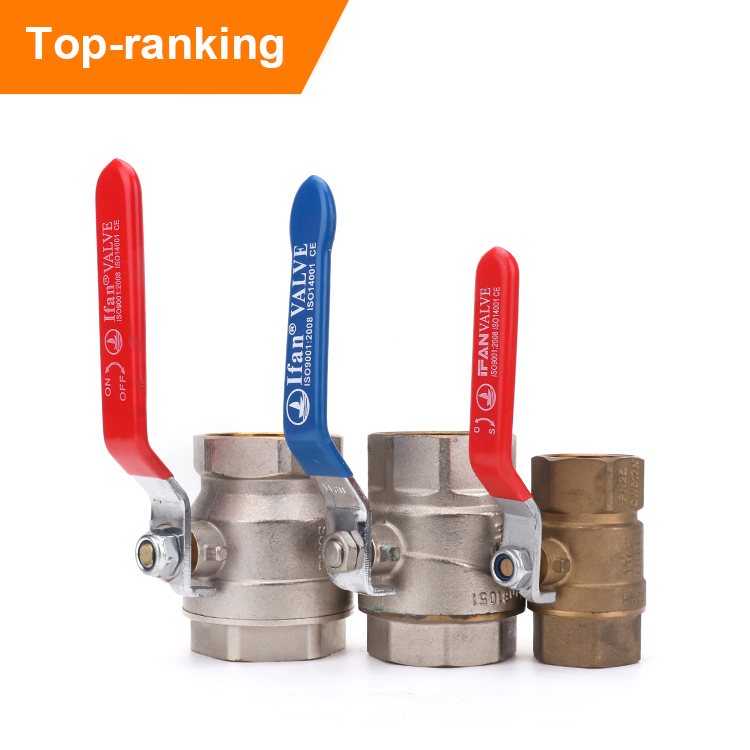
Another advantage of brass ball valves is their ease of installation. Brass is a malleable material that can be easily shaped and molded, allowing for a variety of connection options such as threaded, soldered, or compression fittings. This flexibility in installation methods makes brass ball valves suitable for a wide range of plumbing systems, simplifying the installation process and saving time and effort.
4. Cost-effectiveness
Brass ball valves offer a cost-effective solution for plumbing systems. While stainless steel valves may be more expensive, plastic valves may be cheaper but lack the durability and strength of brass. Brass provides a balance between cost and performance, offering a reliable and long-lasting solution at a reasonable price. Additionally, the minimal maintenance required for brass valves further enhances their cost-effectiveness over the lifespan of the plumbing system.
5. Compatibility and Versatility
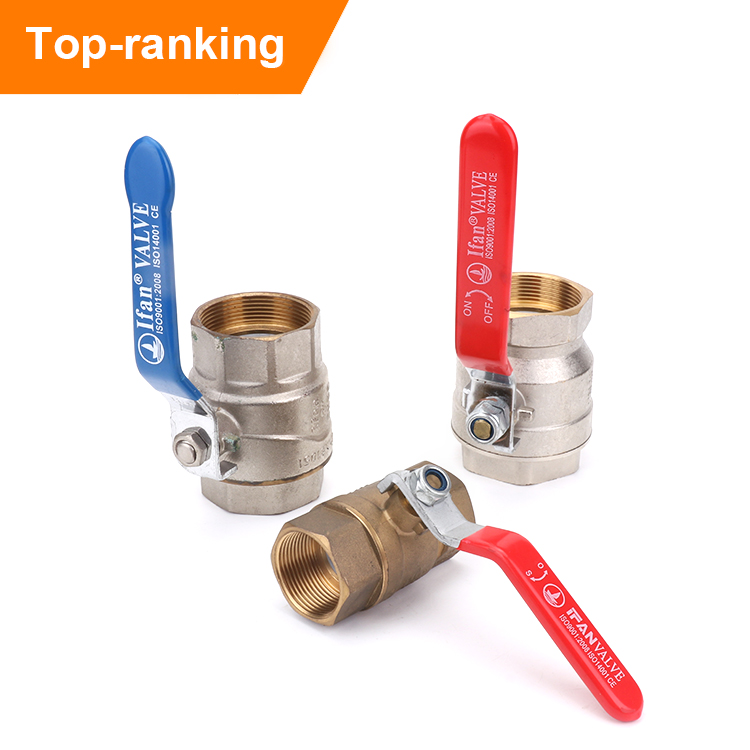
Brass ball valves are compatible with various plumbing materials and fluids, making them versatile for different applications. They can be used with copper, PVC, or PEX pipes, providing compatibility with different plumbing systems. Brass is also suitable for both residential and commercial applications, from household plumbing to industrial settings. This versatility ensures that brass ball valves can meet a wide range of plumbing needs, making them a preferred choice for many professionals.
Conclusion
When comparing brass ball valves with other materials, it is evident that brass offers significant advantages. Its durability, corrosion resistance, ease of installation, cost-effectiveness, and compatibility make it a preferred choice for plumbing systems. Brass ball valves provide reliable and efficient flow control, ensuring the longevity and functionality of the plumbing infrastructure. Consider these advantages when selecting ball valves for your plumbing needs, and opt for brass to enjoy the benefits it offers over other materials.