Exploring the Different Types of PPR Fittings
Introduction
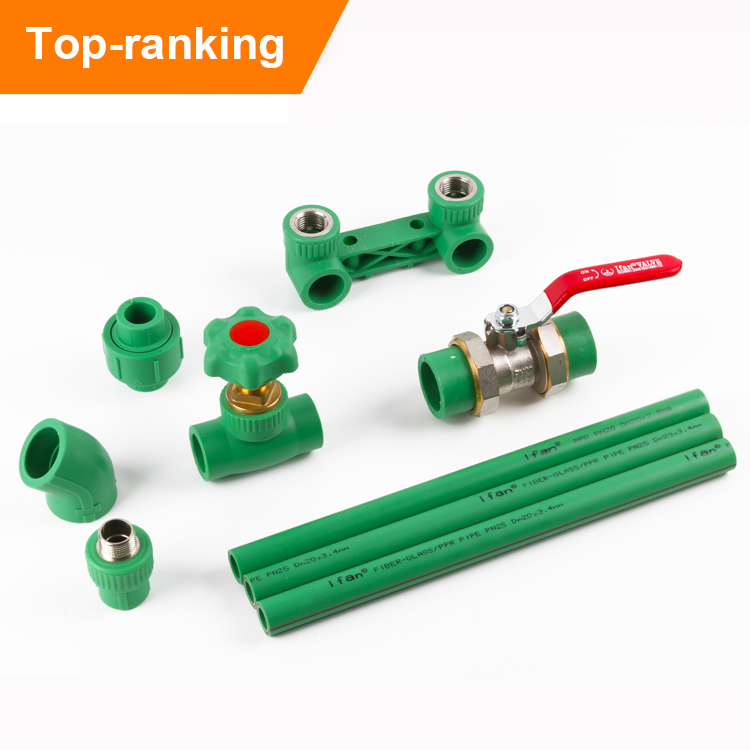
PPR fittings, made from polypropylene random copolymer, are available in various types to suit different plumbing needs. Understanding the different types of PPR fittings will help you select the most appropriate fittings for your specific plumbing requirements. In this article, we will explore the commonly used types of PPR fittings and their unique features. Let’s delve into the details of these different types of PPR fittings.
1. PPR Coupling
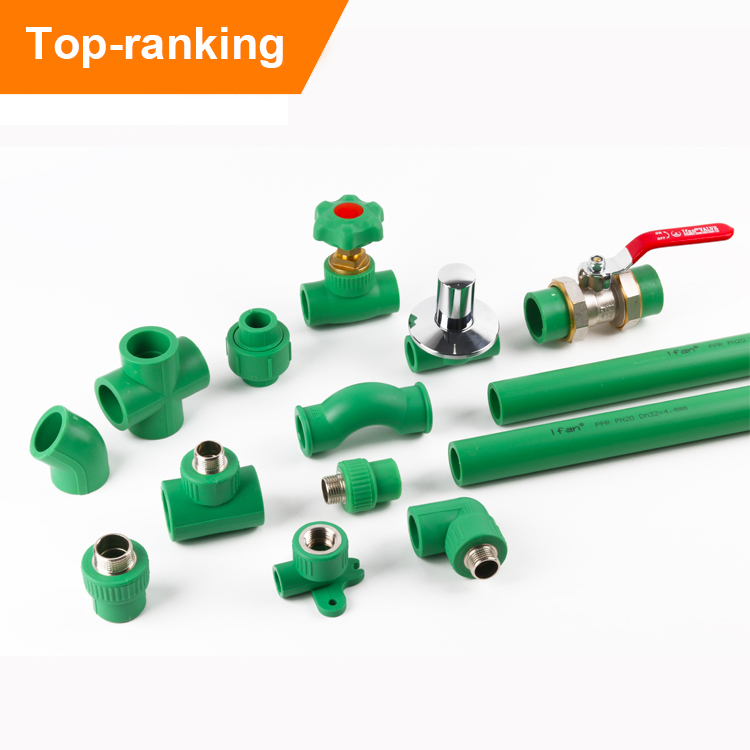
PPR couplings are widely used in plumbing systems to connect two pipes of the same diameter. These fittings feature a simple design with male and female ends that can be easily connected using heat fusion or mechanical jointing methods. PPR couplings provide a secure and leak-free connection, ensuring smooth water flow through the plumbing system. They are available in various sizes to accommodate different pipe diameters, making them versatile for different applications.
2. PPR Elbow
PPR elbows are fittings that allow for a change in the direction of the plumbing system, typically at a 90-degree or 45-degree angle. These fittings are essential for routing pipes around obstacles or creating bends in the plumbing layout. PPR elbows are available in both male and female ends, providing flexibility in connecting pipes. The seamless and fused connections created with PPR elbows ensure a leak-free and efficient plumbing system.
3. PPR Tee
PPR tees are fittings that enable the branching of the plumbing system into multiple directions. These fittings have one inlet and two outlets, allowing for the connection of three pipes at different angles. PPR tees are commonly used in residential and commercial plumbing systems for applications such as distributing water to different fixtures or creating separate lines for hot and cold water. The versatile design of PPR tees makes them suitable for various plumbing configurations.
4. PPR Reducer
PPR reducers are fittings used to connect pipes of different diameters. These fittings have one end with a larger diameter and another end with a smaller diameter, allowing for a smooth transition between pipes of different sizes. PPR reducers are commonly used when the plumbing system requires a change in pipe size, such as connecting larger diameter pipes to smaller fixtures or appliances. The seamless and leak-free connection provided by PPR reducers ensures optimal water flow.
5. PPR Ball Valve
PPR ball valves are fittings that allow for the control and regulation of water flow within the plumbing system. These fittings feature a ball with a bore that can be rotated to open or close the flow of water. PPR ball valves are commonly installed at key points in the plumbing system, such as near fixtures or appliances, to enable easy control of water supply. The durable construction of PPR ball valves ensures reliable performance and minimal leakage.
6. PPR End Cap
PPR end caps are fittings used to seal the ends of pipes, preventing water leakage and debris accumulation. These fittings are commonly used in plumbing systems where pipe ends are not connected to other fittings. PPR end caps provide a secure and leak-free seal, ensuring the integrity of the plumbing system. They are simple to install and remove when necessary, allowing for easy access to the pipe if needed.
Conclusion
The different types of PPR fittings available cater to various plumbing needs. PPR couplings, elbows, tees, reducers, ball valves, and end caps provide versatile solutions for connecting, changing directions, branching, controlling flow, and sealing pipes. Understanding the unique features and applications of these different types of PPR fittings will help you design and build a reliable and efficient plumbing system. By selecting the appropriate PPR fittings, you can ensure a leak-free and long-lasting plumbing installation.