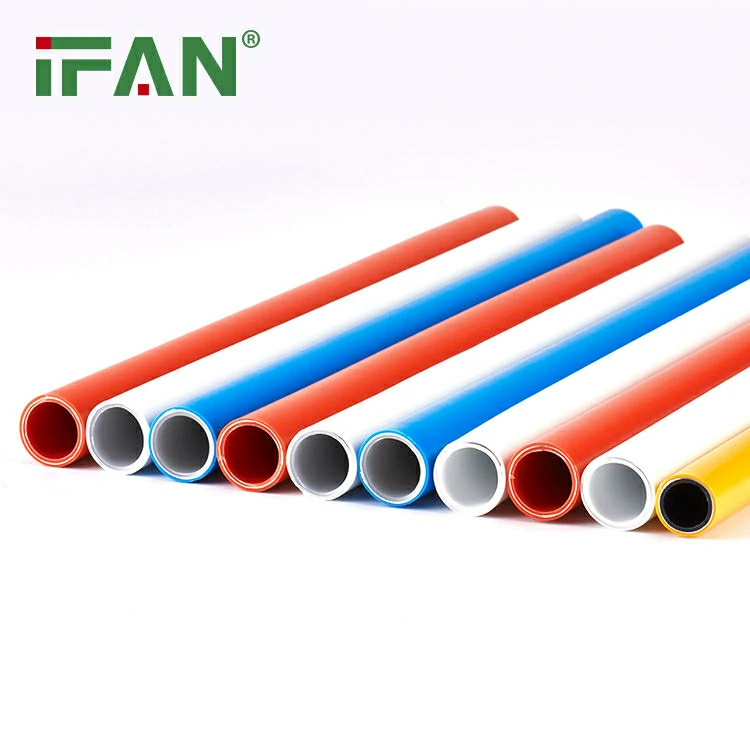
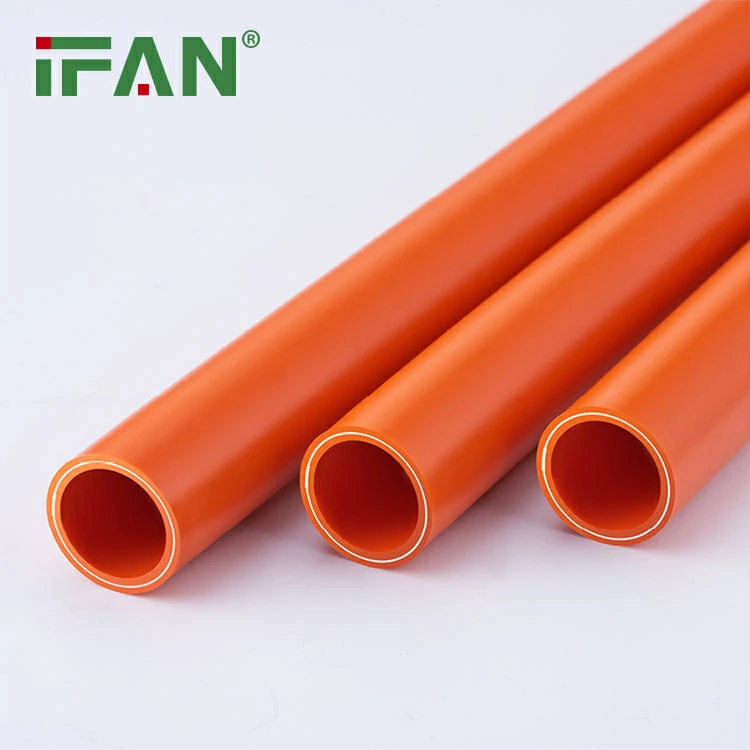
PPR Fittings for Irrigation Systems: Maximizing Efficiency
As global climate change continues to impact our environment, it has become increasingly important to preserve our natural resources and minimize our carbon footprint. One of the ways we can do this is by implementing efficient irrigation systems in our agricultural practices. PPR fittings for irrigation systems are an excellent way to maximize irrigation efficiency while minimizing water usage.
What are PPR fittings?
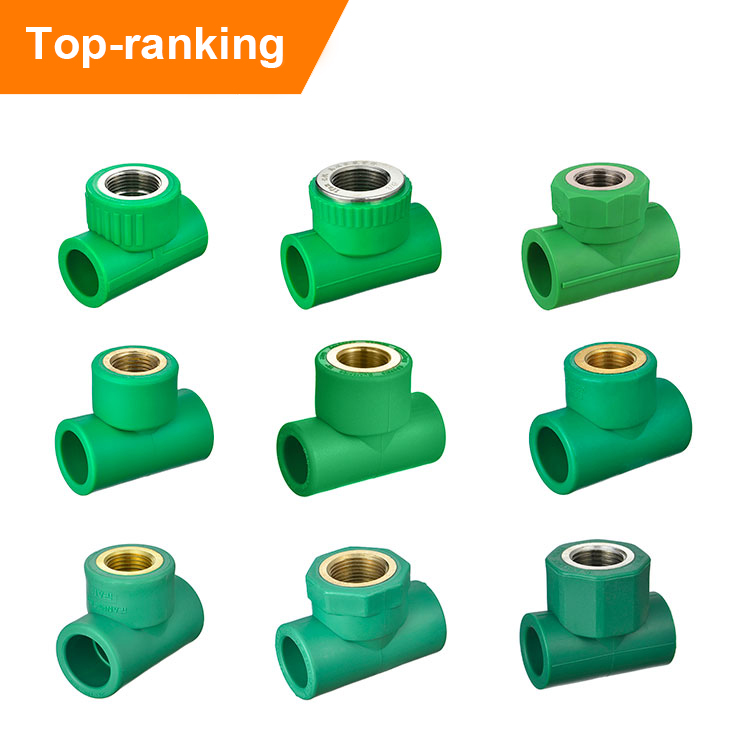
PPR (polypropylene random copolymer) fittings are used to connect pipes in plumbing and irrigation systems. They are extremely durable and resistant to high temperatures and pressure, making them well-suited for use in irrigation systems. PPR fittings are also non-toxic, making them environmentally friendly and safe for use in agricultural settings.
The benefits of PPR fittings for irrigation systems
- Durable and long-lasting: PPR fittings are designed to withstand the harsh conditions of agricultural environments, making them an excellent choice for use in irrigation systems.
- Non-corrosive: PPR fittings are non-corrosive, which means they will not rust or deteriorate over time. This ensures that your irrigation system will function optimally for years to come.
- Leak-free: PPR fittings are designed to provide a leak-free seal, which maximizes irrigation efficiency and minimizes water usage.
- Easy to install: PPR fittings are easy to install and can be used with a variety of different pipe materials. This makes them an excellent choice for retrofitting existing irrigation systems.
- Environmentally friendly: PPR fittings are non-toxic and environmentally friendly, making them a great choice for use in agricultural settings where water contamination is a concern.
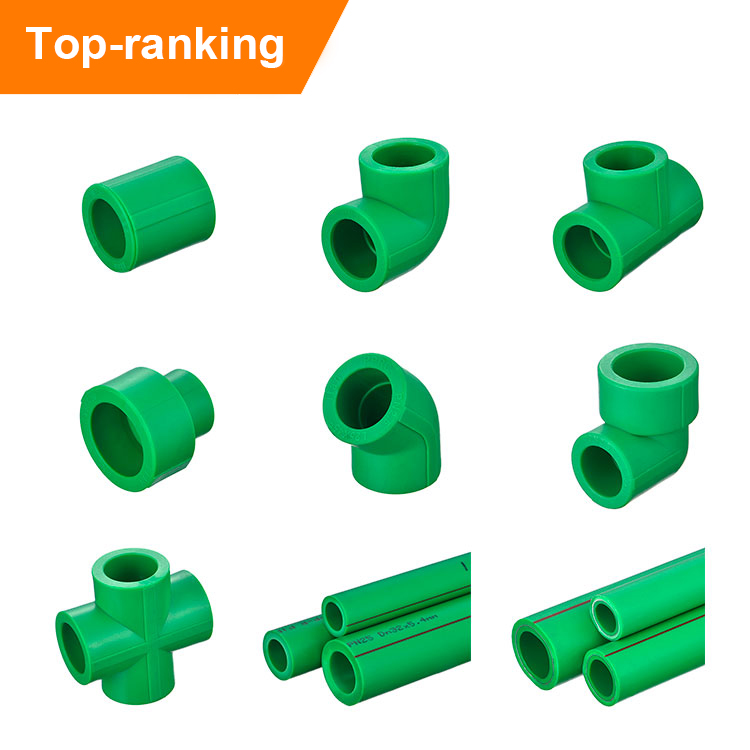
How to choose the right PPR fittings for your irrigation system
When choosing PPR fittings for your irrigation system, it is important to consider factors such as water pressure, pipe size, and compatibility with other fittings and materials. It is also important to choose fittings that are appropriate for the specific application (e.g. drip irrigation vs. spray irrigation).
In conclusion, PPR fittings for irrigation systems offer a range of benefits that can help maximize irrigation efficiency while minimizing water usage. They are durable, long-lasting, non-corrosive, leak-free, easy to install, and environmentally friendly. By choosing the right PPR fittings for your irrigation system, you can ensure that your agricultural practices are sustainable and efficient for years to come.