The Technical Specifications of Brass Fittings
Introduction: Brass fittings are widely used components in plumbing systems, providing a reliable and durable connection between pipes and other equipment. These fittings are made from specially formulated brass alloy, which offers excellent corrosion resistance and high strength. This article will delve into the technical specifications of brass fittings, covering various aspects such as dimensions, threading, pressure ratings, and surface finishes.
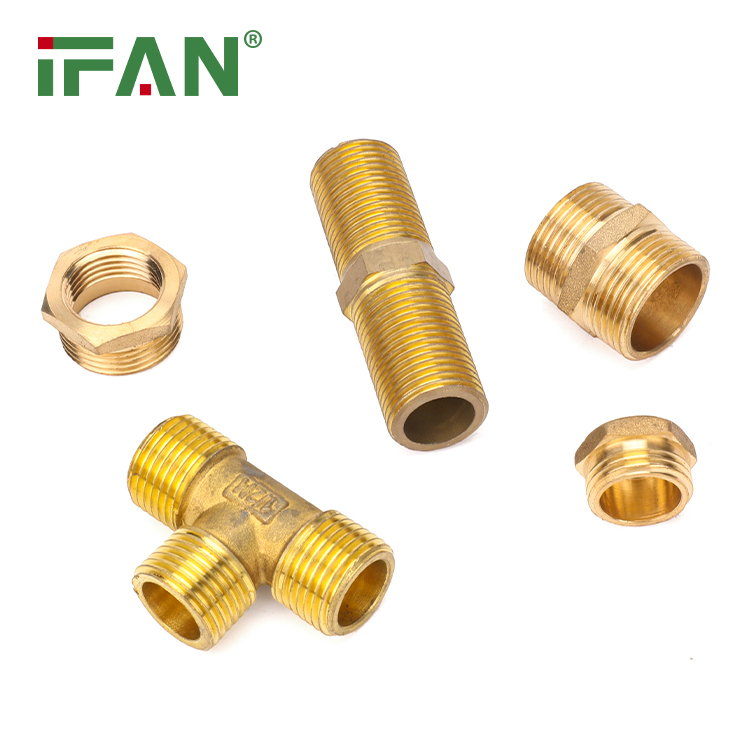
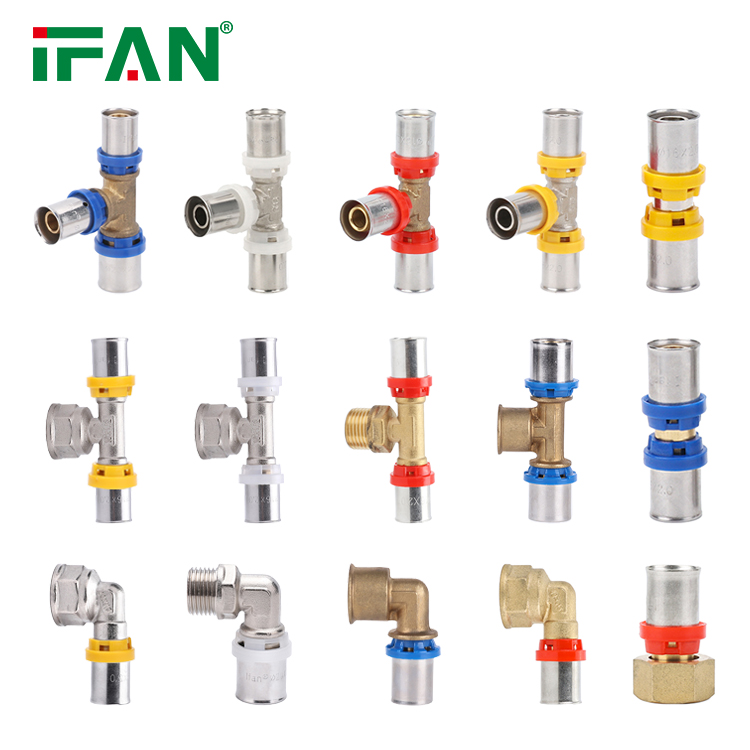
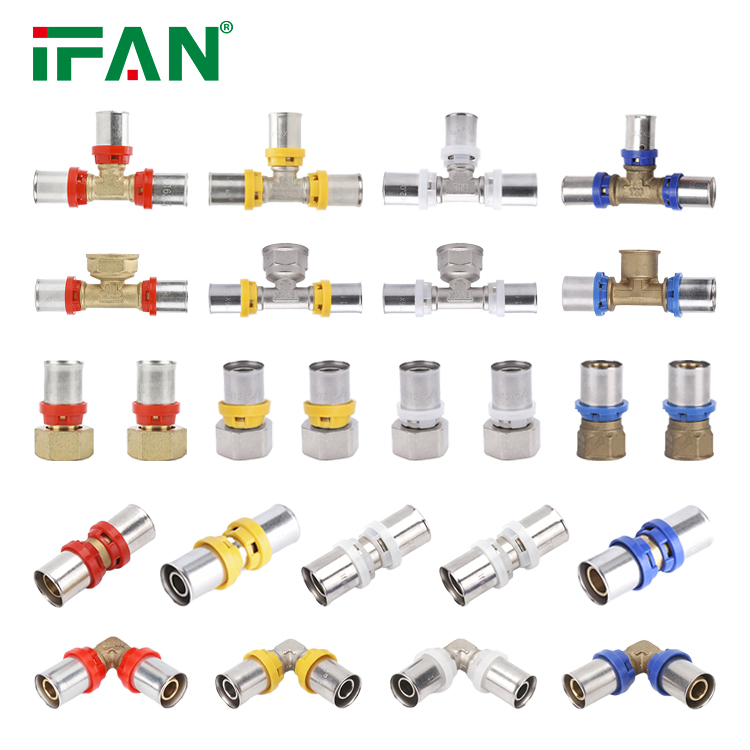
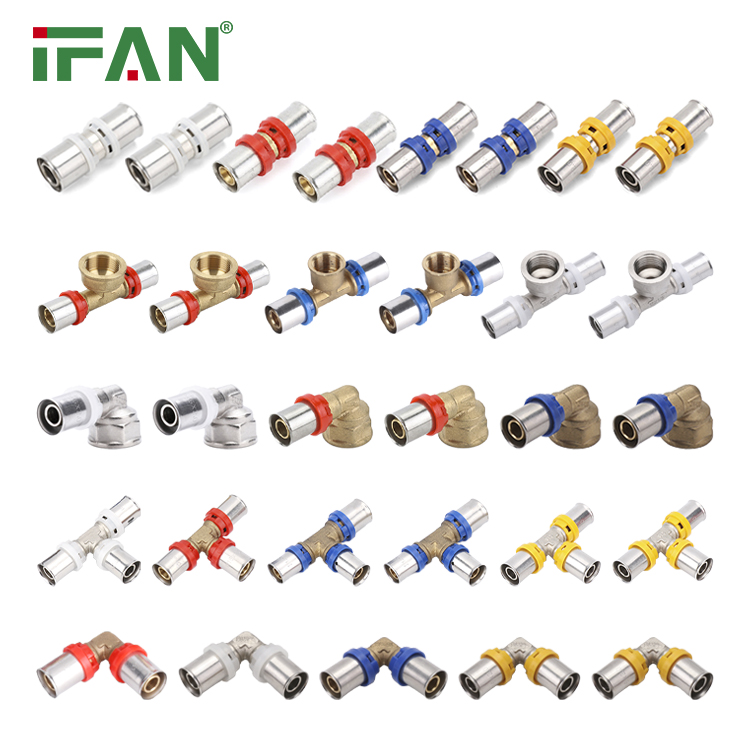
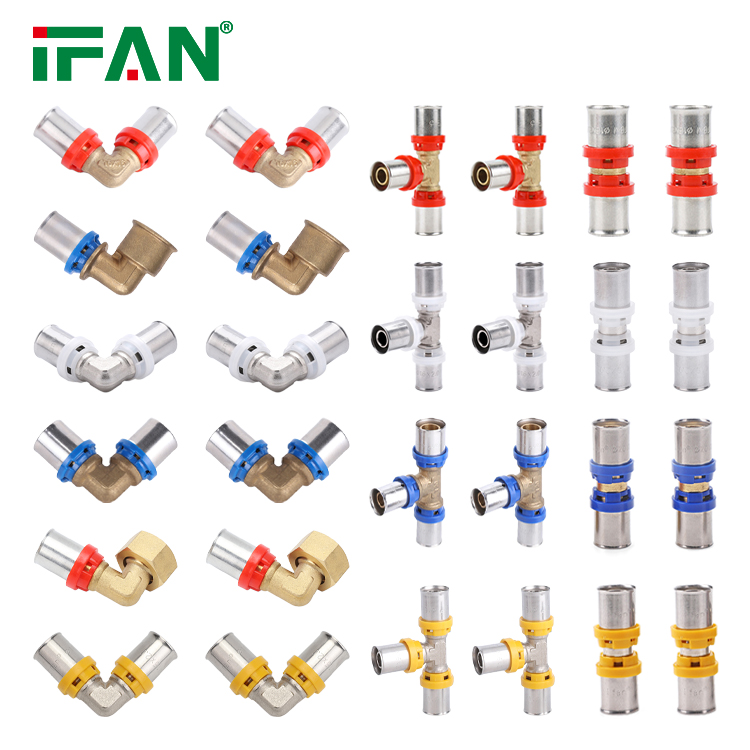
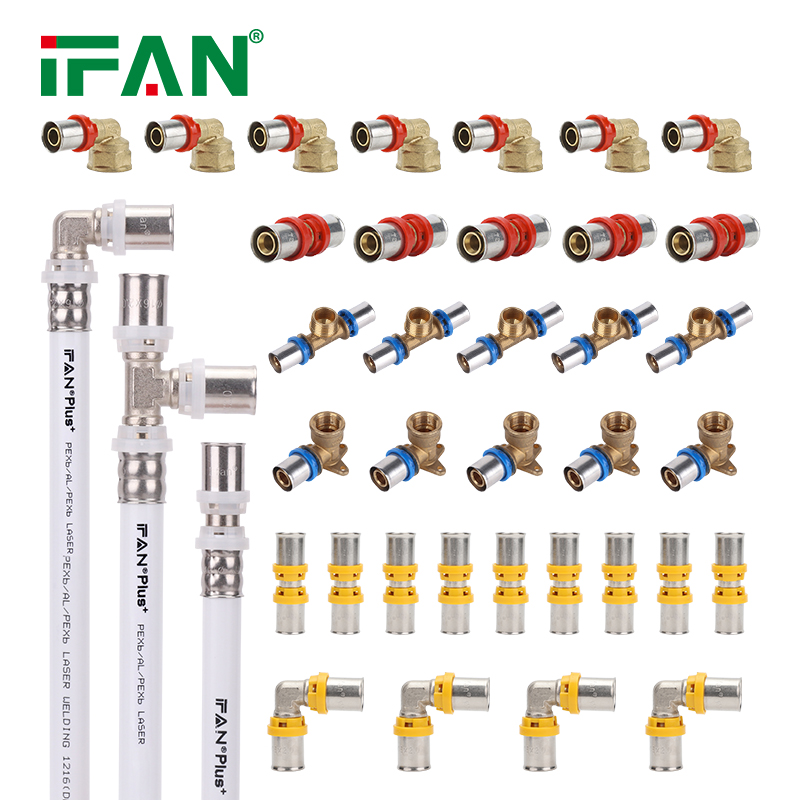
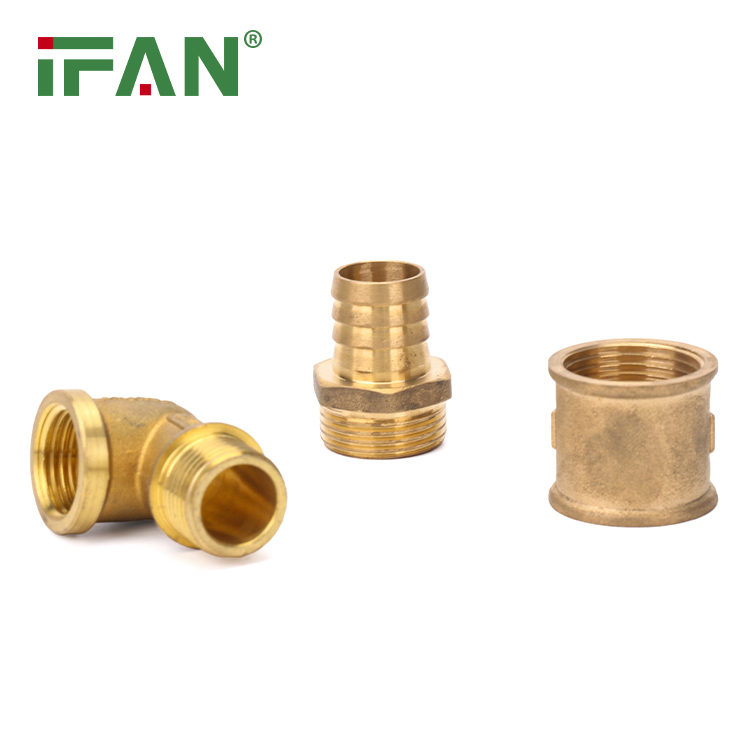
- Dimensions: Brass fittings are manufactured in different sizes and shapes to accommodate various plumbing requirements. The dimensions of these fittings are standardized according to industry standards such as the American National Pipe Thread (NPT) and the British Standard Pipe (BSP) system. Commonly available brass fittings include elbows, tees, couplings, unions, and adapters, with sizes ranging from 1/8 inch to 2 inches or more.
- Threading: To ensure a secure and leak-free connection, brass fittings are designed with threaded ends. The threading type used in brass fittings can vary depending on the region and the intended application. Common threading standards include NPT (tapered), NPTF (dryseal), BSPP (parallel), and BSPT (tapered). These threads are carefully machined to provide a tight seal and prevent any leakage.
- Pressure Ratings: Brass fittings are rated for different pressure levels, indicating their ability to handle fluid or gas under certain conditions. The pressure ratings are determined based on factors such as the fitting size, threading type, and the material’s strength. Typically, brass fittings are available in pressure ratings ranging from low to high, such as 150 PSI, 300 PSI, or even higher for specialized applications.
- Surface Finishes: Brass fittings undergo specific surface treatments to enhance their appearance and protect them from corrosion. The commonly used finishes include nickel plating, chrome plating, or simply leaving the fitting with its natural brass finish. Nickel and chrome plating provide a shiny and aesthetically pleasing appearance while offering superior corrosion resistance, making them ideal for applications where the fittings are exposed to moisture or harsh environments.
Conclusion: Brass fittings serve as essential components in plumbing systems, ensuring reliable connections and efficient flow of fluids or gases. Their technical specifications, including dimensions, threading, pressure ratings, and surface finishes, are crucial factors to consider when selecting the appropriate fitting for a specific application. By understanding these specifications, one can make informed decisions about brass fittings, ensuring optimal performance and longevity in plumbing systems.