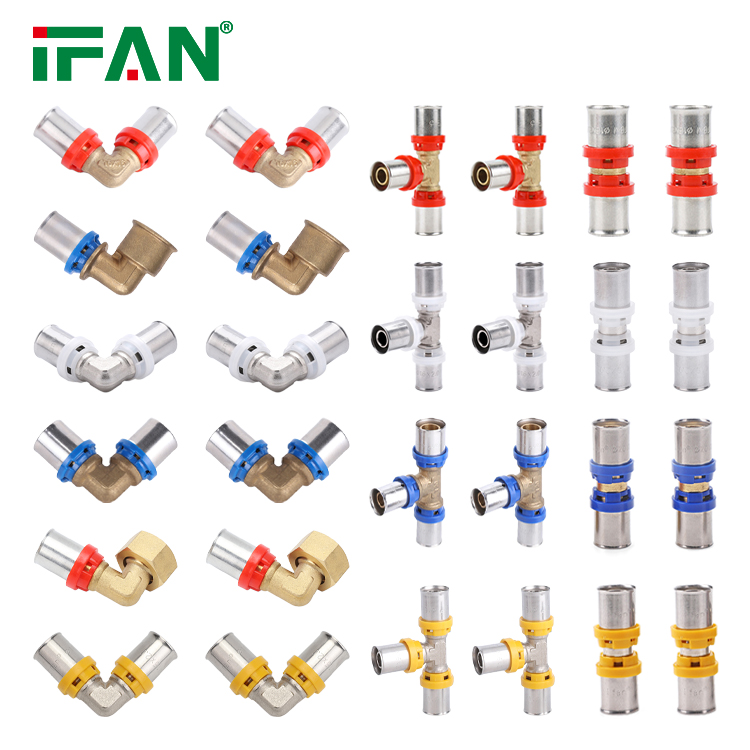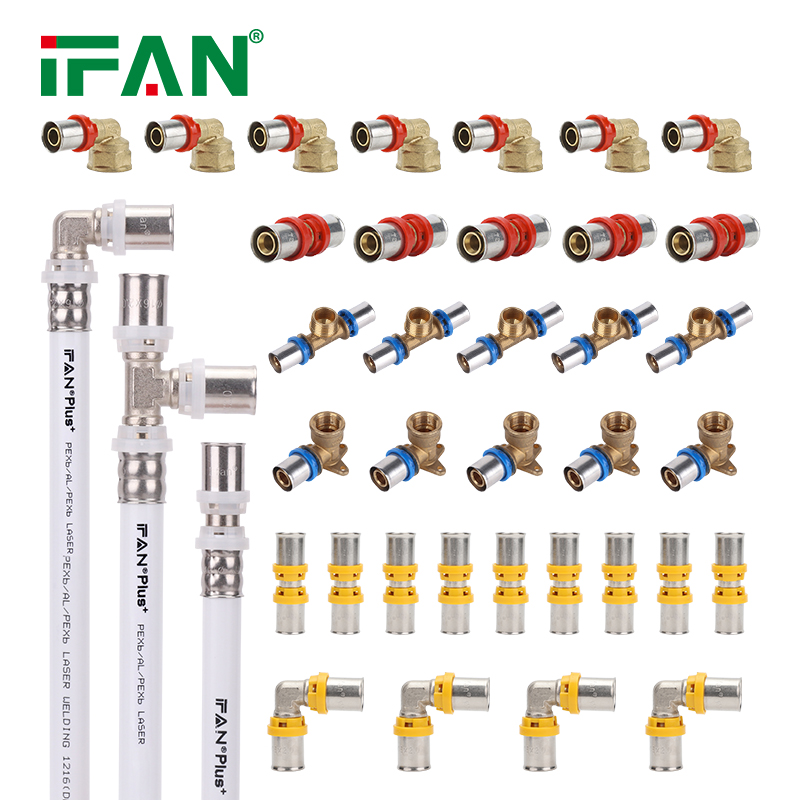
Protecting Your Plumbing System with Brass Fittings: Resistant to Corrosion and Contamination
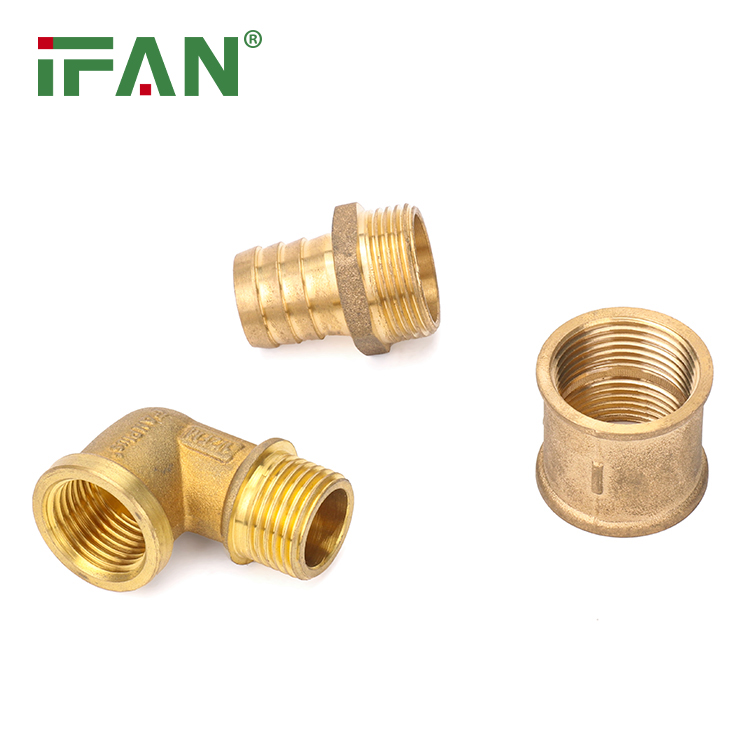
From showerheads to faucets, your plumbing system is critical in delivering water to your home. However, have you ever considered how the different components of your plumbing system work together? Brass fittings are one such component that have a significant effect on your plumbing system’s durability and efficiency. In this article, we’ll explore why protecting your plumbing system with brass fittings is essential, as they are resistant to corrosion and contamination.
Resistance to Corrosion
One of the main reasons brass fittings are often used in plumbing systems is due to their resistance to corrosion. Over time, exposure to water and different minerals can cause damage to your plumbing system, leading to leaks and rusty fixtures. Brass, on the other hand, doesn’t rust, corrode, or decay in the same way that other metals do. As a result, brass fittings significantly extend the lifespan of your plumbing system and prevent leaks from forming.
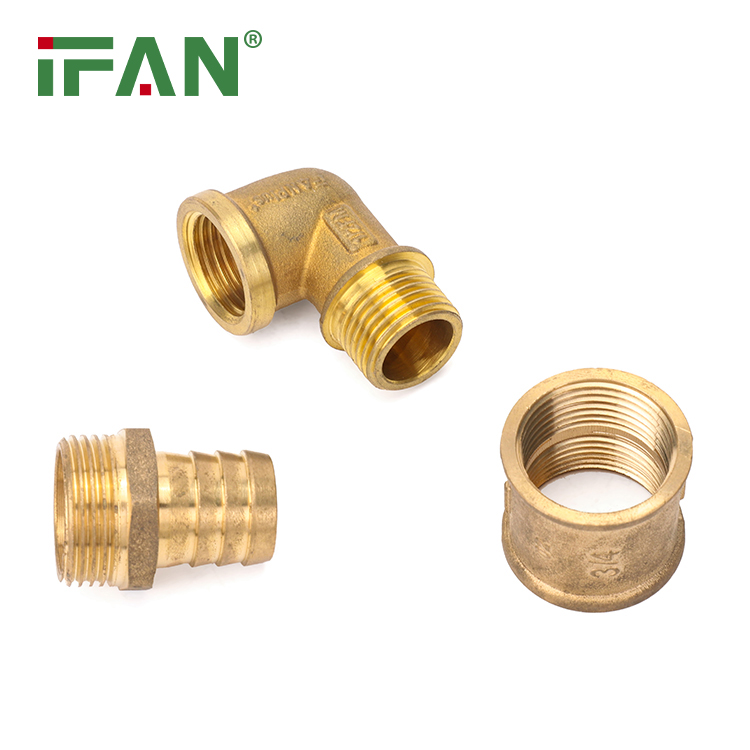
Moreover, brass also resists the effects of other materials commonly found in plumbing systems. For example, chlorine and chloramines can react with different metals, including copper or iron pipes, to form dangerous by-products such as lead or rust particles. Brass fittings help protect against this chemical reaction, ensuring that the water you use in your home remains safe to drink and use.
Resistance to Contamination
Brass fittings also aid in reducing bacterial contamination in your plumbing system. Studies have shown that brass fixtures are an effective solution in reducing the growth of bacteria such as E. coli, Listeria, and other harmful microbes. These fittings have a natural antimicrobial property that reduces the number of germs present, ensuring that your water supply is safe for consumption.
Additionally, brass fittings are less likely to leach lead when compared to other metals such as copper or lead. Over time, lead particles from metal pipes can leach into the water supply and cause lead poisoning, which can be particularly harmful to children and pregnant women. Brass fittings do not contain lead and reduce the risk of lead contamination in your household’s water supply, making them an excellent choice for your plumbing system.
In conclusion, brass fittings are a critical component that helps extend the lifespan of your plumbing system while also preventing contamination and corrosion. They play an essential role in ensuring your household’s water supply remains safe and uncontaminated for consumption. By choosing brass fittings for your plumbing system, you’re taking a proactive step to protect your home’s plumbing system and the health of your family.