Corrosion Resistance and UV Protection: The Advantages of White PPR Fittings
Introduction
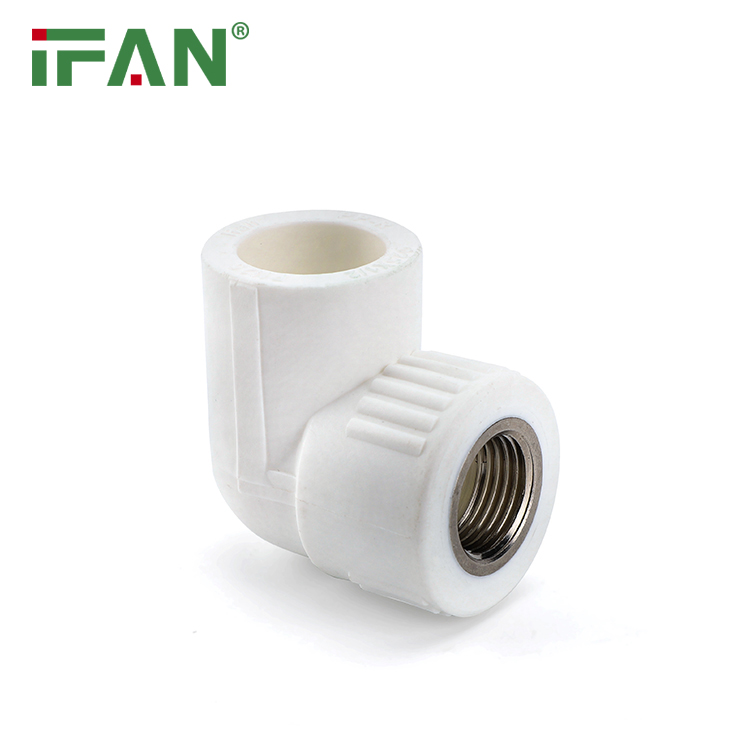
White PPR (polypropylene random copolymer) fittings have gained recognition for their exceptional resistance to corrosion and UV protection, making them an ideal choice for plumbing systems. This article explores the unique advantages of white PPR fittings in mitigating the effects of corrosion and UV exposure, contributing to long-lasting and reliable plumbing installations.
Corrosion Resistance
One of the standout features of white PPR fittings is their remarkable resistance to corrosion. Unlike metal fittings that are susceptible to rust and degradation when exposed to aggressive water compositions or harsh chemicals, PPR fittings maintain their structural integrity over time. This corrosion resistance ensures consistent water quality and prevents the contamination of potable water, making white PPR fittings a reliable choice for diverse plumbing applications.
Extended Lifespan
The ability of white PPR fittings to withstand corrosion translates to an extended lifespan for plumbing systems. By minimizing the impact of corrosive elements, these fittings reduce the need for frequent repairs and replacements, resulting in long-term cost savings and operational reliability. Property owners and facility managers benefit from reduced maintenance requirements and prolonged infrastructure longevity, ensuring uninterrupted water distribution and system performance.
UV Protection
In addition to corrosion resistance, white PPR fittings offer built-in UV protection, making them suitable for outdoor and exposed plumbing installations. The material’s resistance to UV degradation prevents deterioration caused by prolonged sun exposure, ensuring that the fittings retain their strength and functionality even in outdoor settings. This UV protection feature enhances the versatility of white PPR fittings, allowing for their use in a wide range of applications, including outdoor plumbing and irrigation systems.
Preservation of Aesthetic Appeal
The UV protection provided by white PPR fittings contributes to the preservation of their aesthetic appeal over time. In outdoor installations, where fittings are exposed to sunlight, the risk of discoloration, embrittlement, and surface degradation is effectively mitigated by the material’s UV-resistant properties. As a result, plumbing systems maintain their visual appeal and structural integrity, reducing the need for premature replacements and preserving the overall appearance of the installed infrastructure.
Environmental Adaptability
The combination of corrosion resistance and UV protection equips white PPR fittings with environmental adaptability, allowing them to perform reliably in diverse climatic conditions. Whether installed indoors or outdoors, in tropical or temperate environments, PPR fittings demonstrate resilience against environmental stressors, ensuring consistent performance and durability regardless of the surroundings. This adaptability makes white PPR fittings a versatile solution for global construction and infrastructure projects.
Sustainability and Long-Term Reliability
The advantages of corrosion resistance and UV protection align with sustainability principles, contributing to the long-term reliability and environmental responsibility of plumbing installations. By minimizing material degradation and the need for premature replacements, white PPR fittings support resource conservation and waste reduction, promoting sustainable building practices and efficient water management.
Conclusion
In conclusion, the corrosion resistance and UV protection offered by white PPR fittings position them as a reliable and durable choice for plumbing systems. Their ability to withstand environmental stressors, preserve aesthetic appeal, and contribute to long-term sustainability underscores their value in modern construction and infrastructure projects. By prioritizing durability and environmental adaptability, white PPR fittings represent a resilient and future-ready solution for diverse plumbing needs, ensuring the continued reliability and performance of plumbing systems.