Say Goodbye to Leaks with Durable PEX Fittings

Say Goodbye to Leaks with Durable PEX Fittings

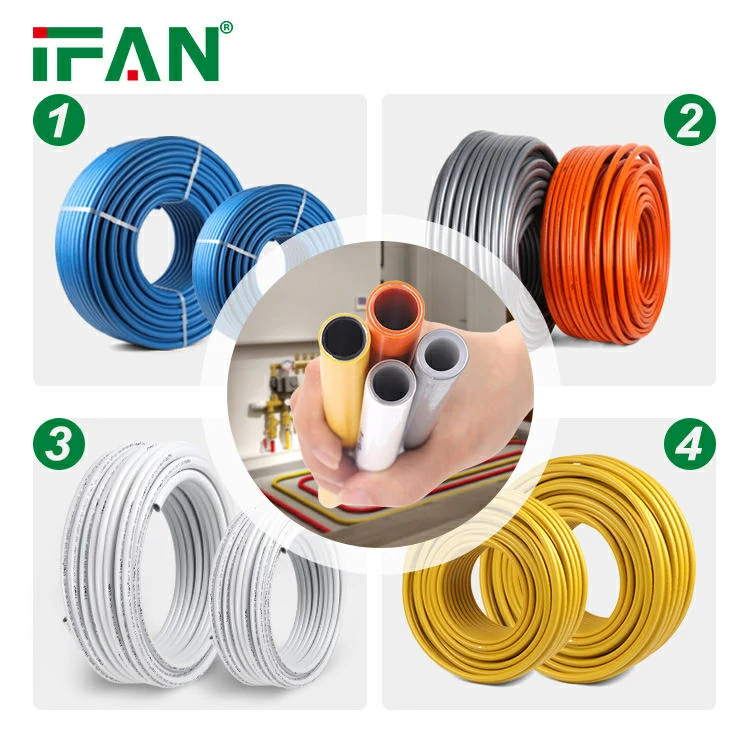
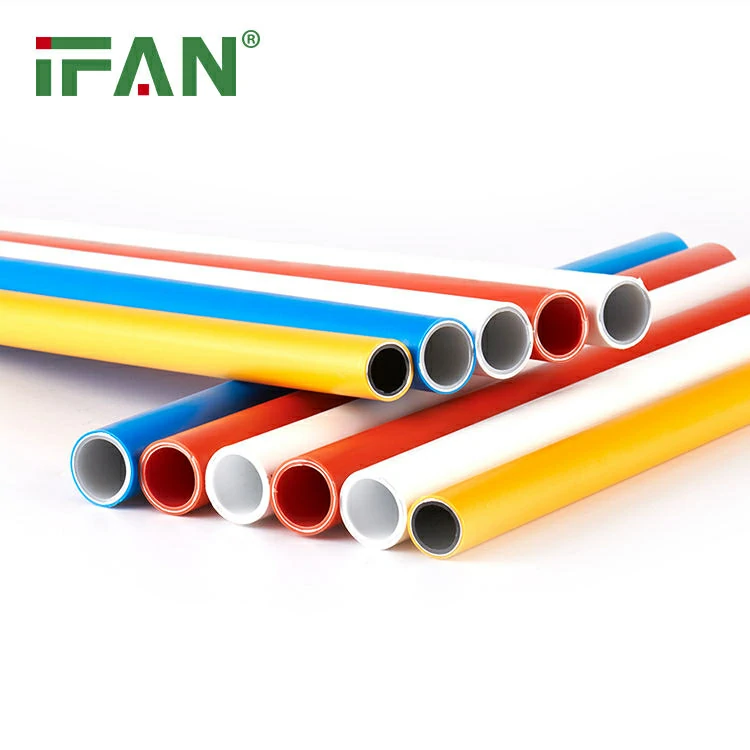
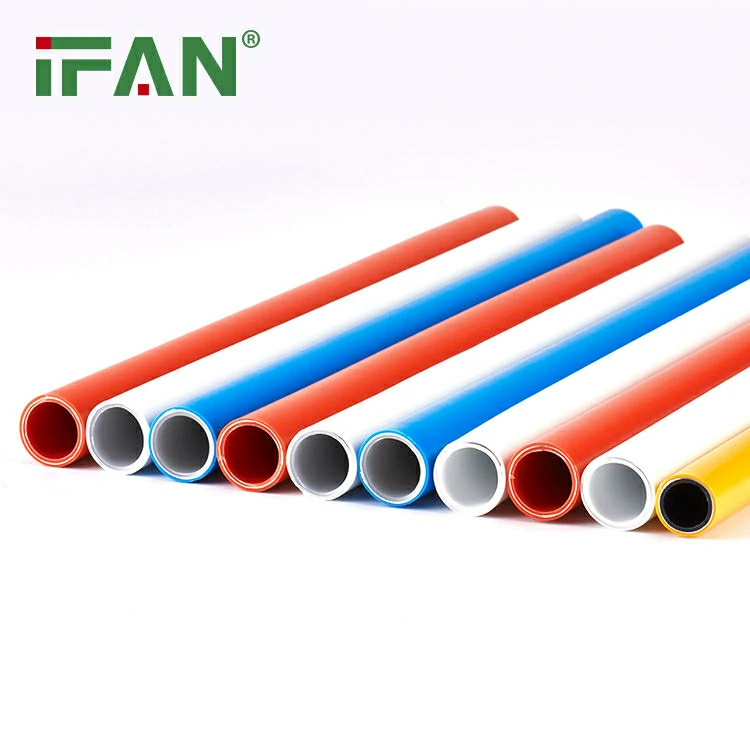
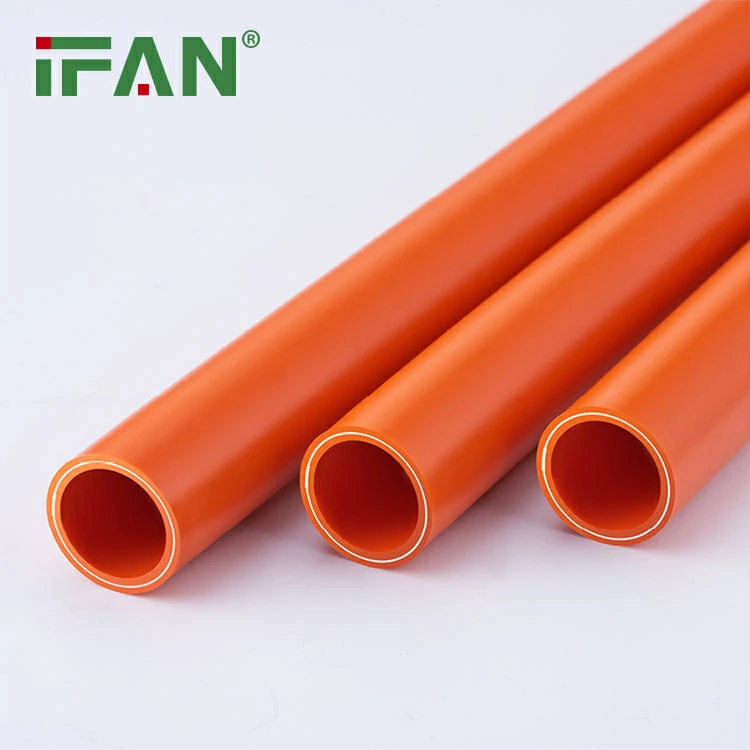
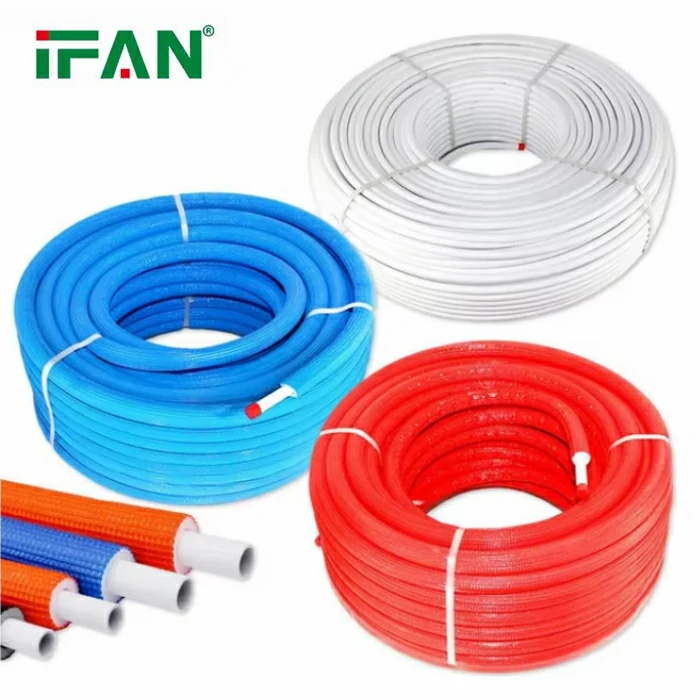
PEX plumbing has become increasingly popular in recent years, and with good reason. PEX is flexible, durable, and resistant to freezing and bursting. However, the effectiveness of your PEX system relies heavily on the quality of the fittings used to connect the pipes together.

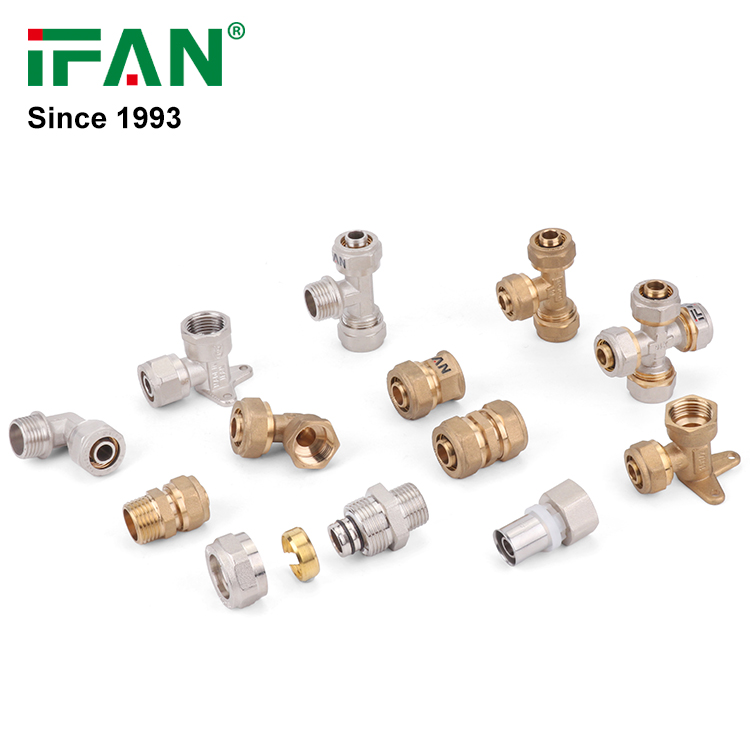
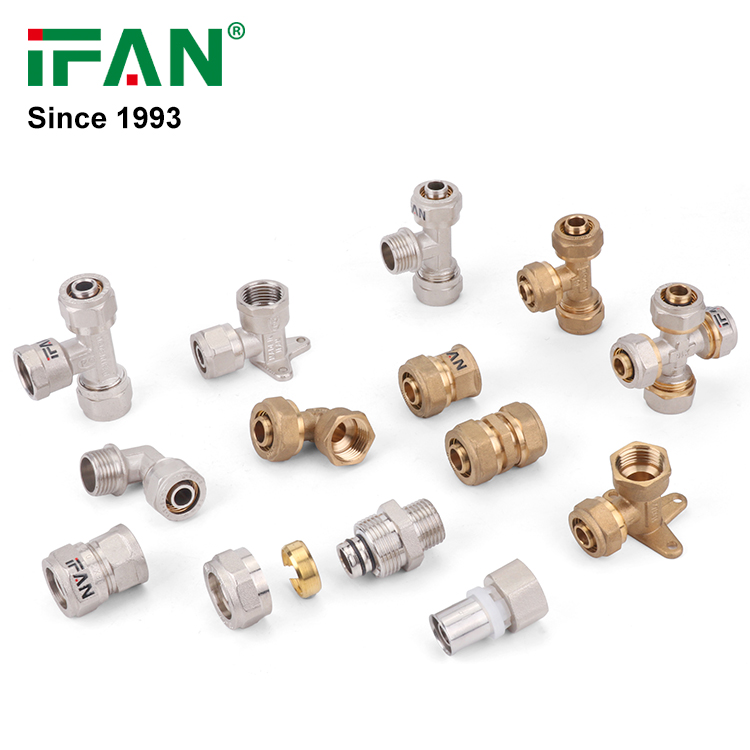
Say goodbye to leaks and hello to peace of mind with durable PEX fittings. These fittings are specifically designed to provide a secure and leak-proof connection between PEX pipes. Made from high-quality materials, such as brass or plastic, these fittings are corrosion-resistant and long-lasting, ensuring your plumbing system runs smoothly for many years.
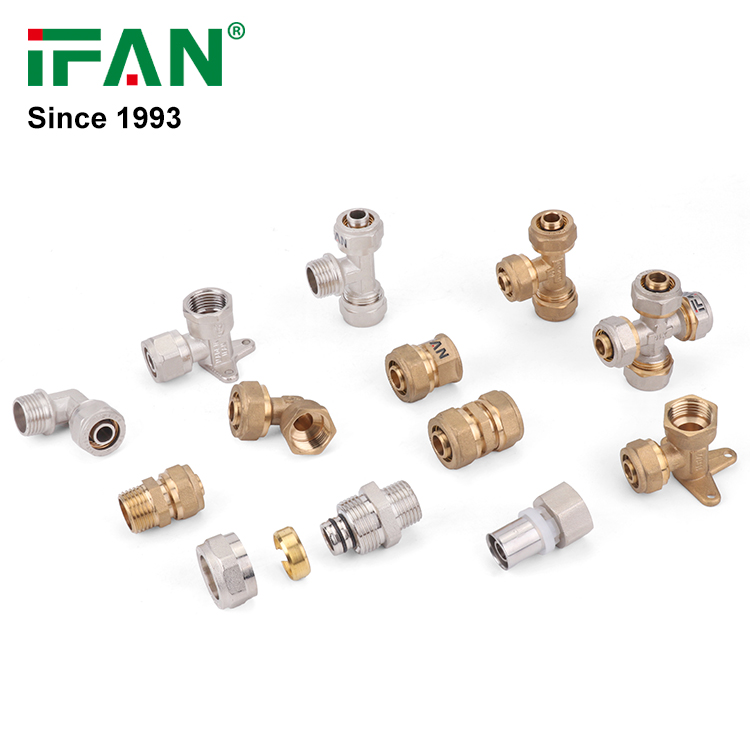
Durable PEX fittings are easy to install and require minimal tools and expertise. With their quick connecting joints and barbed ends, you can easily connect PEX tubing without the need for soldering or gluing. This saves time, money, and frustration, especially for those who are unfamiliar with traditional piping methods.

Moreover, PEX fittings can be used in a variety of applications and can even be used for radiant heating systems. This versatility makes them an excellent choice for any construction or renovation project, big or small.

Perhaps the best part about durable PEX fittings is their affordability. Compared to other plumbing fittings, PEX fittings are much cheaper, making them an excellent option for those on a budget. They are also readily available at most home improvement and plumbing supply stores, making them easy to purchase and install.
In conclusion, if you want to ensure a secure and leak-free plumbing system, investing in durable PEX fittings is a must. With their long-lasting materials, easy installation, and affordability, these fittings are a reliable and efficient solution for any piping project. Say goodbye to leaks and hello to hassle-free plumbing with durable PEX fittings today.
Share:

Facebook
Twitter
Pinterest
LinkedIn

Leave a Comment

Your email address will not be published. Required fields are marked *

On Key

Related Posts

PPR Pipe Stiffness Class and Its Effect on Buried Installations

Is Your Underground Pipe Slowly Getting Crushed Right Under Your Feet? Look, most people spend weeks picking tile colors and countertop materials during renovation. Then they throw some pipes in the ground, cover them up, and forget about them. Three years later — bathroom leaking, kitchen damp, water bill through the roof. You tear up

Understanding PNR and MOP Ratings on PPR Pipes

Don’t Just Check the Price — These Two Numbers on the Pipe Matter Most Let’s be honest — most people walk into a plumbing supply store and the first thing they ask is “how much per meter?” The seller gives a number, you compare it with another shop, and you buy the cheapest one. But

Threaded vs Socket Fusion PPR Fittings: Which One Should You Actually Pick?

Why This Question Matters More Than You Think Let’s be real. Most people walk into a plumbing store, see rows of PPR fittings, and just grab whatever looks cheap. That’s how leaks happen. That’s how basements flood at 2 AM. The difference between threaded and socket fusion fittings isn’t just technical — it’s the difference

PPR Pipe Pressure Loss and Friction Loss Charts Explained

Why Pressure Loss Matters More Than You Think Let’s be honest — nobody gets excited talking about pressure loss. But here’s the thing: every time you turn on a faucet and water trickles out like it’s thinking twice, that’s pressure loss doing its dirty work. In pipe systems, friction loss eats up your energy, kills

How to Calculate Thermal Expansion for Long PPR Pipe Runs | The Complete Guide

Why This Actually Matters for Your Piping System Alright, let’s be honest — nobody wakes up excited about thermal expansion calculations. But here’s the thing: if you’ve ever heard a PPR pipe bang, creak, or worse, seen a joint crack after months of hot water running through it, thermal expansion is probably the culprit. And

Get Free Quote NOW