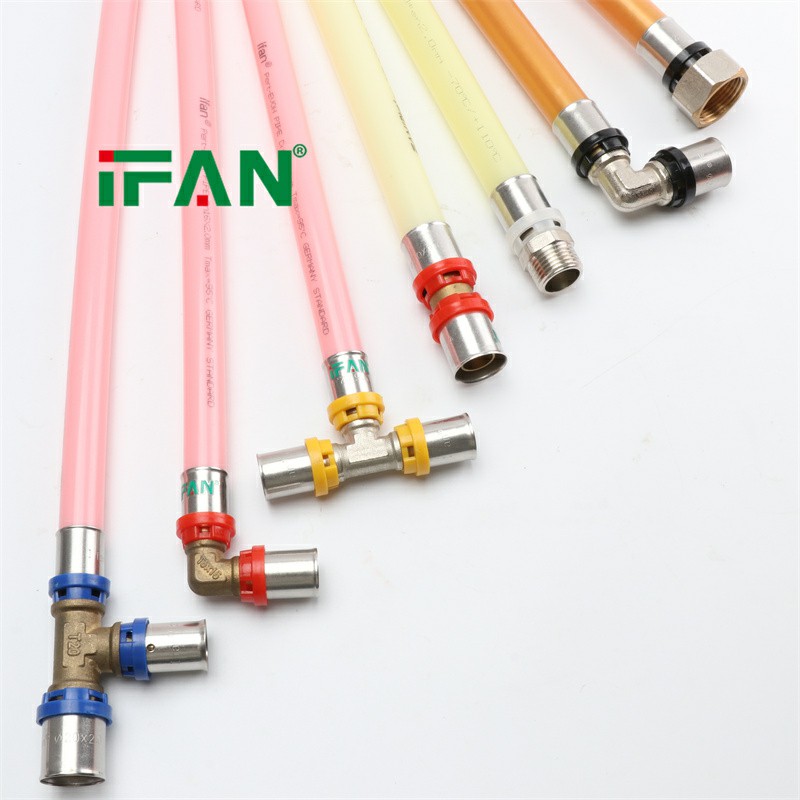
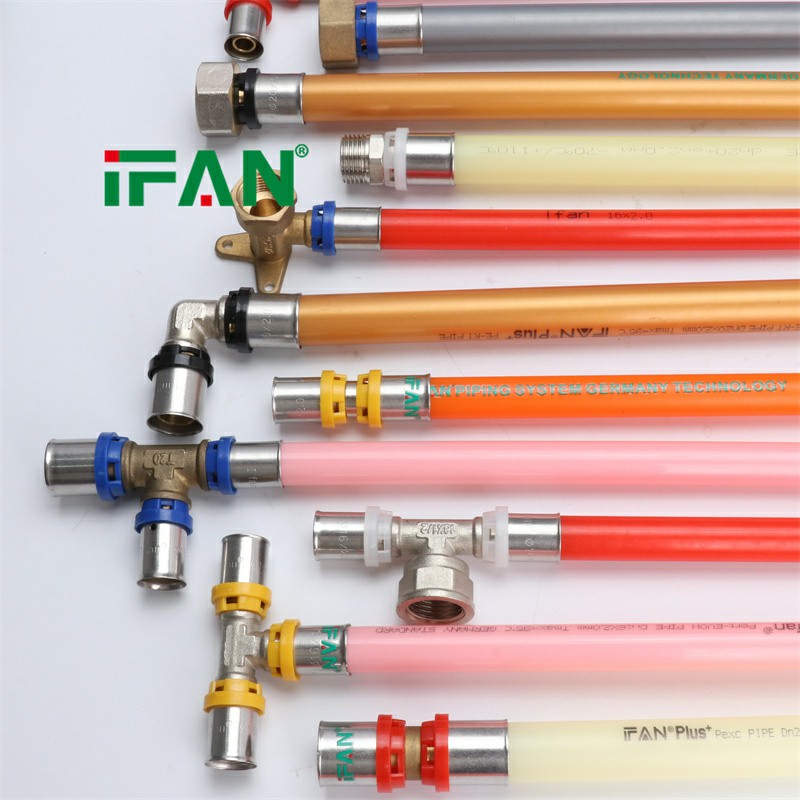
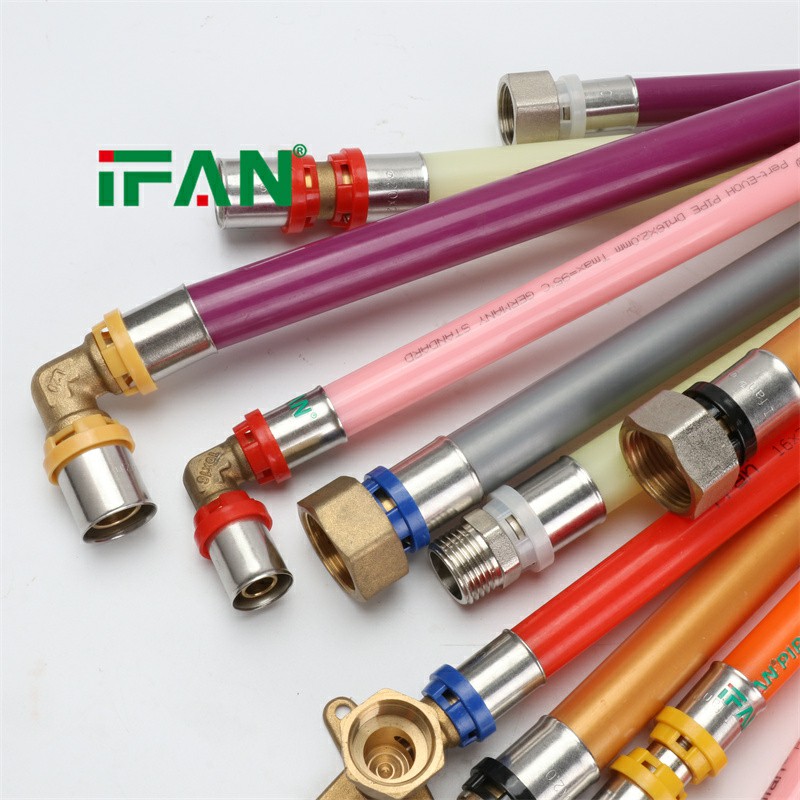
PPR Pipes: The Future of Plumbing is Here

PPR pipes, known as polypropylene random copolymer pipes, are the future of plumbing. These pipes are modern, efficient and highly durable. In the world of plumbing, PPR pipes have earned a reputation as one of the best options available.

The reason for their popularity is simple. PPR pipes are made of high-quality thermoplastic polymer, which makes them resistant to high temperatures, acids and chemicals. Unlike other pipes, PPR pipes do not rust, corrode or degrade over time. Also, PPR pipes have a non-leaching property, which ensures that the water remains fresh and safe for consumption.
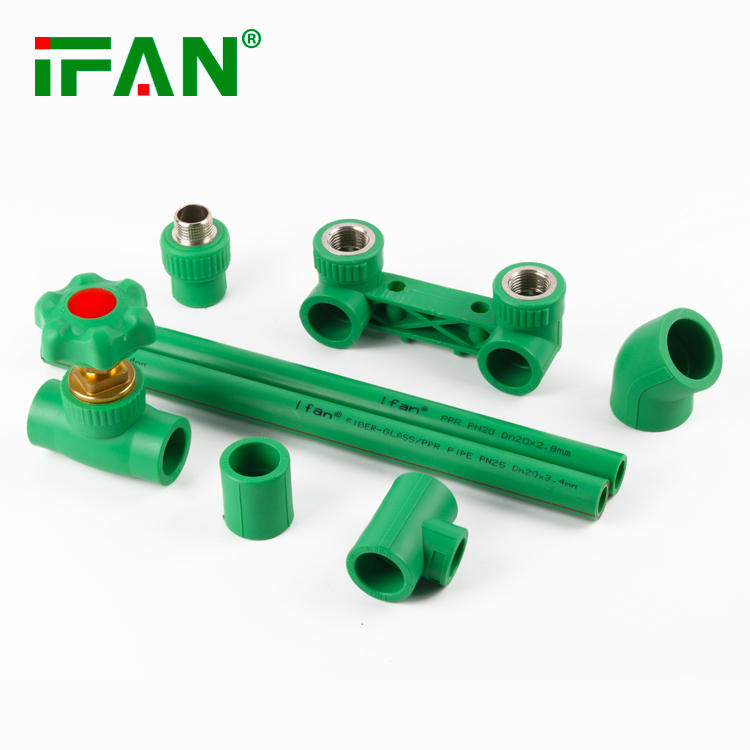
PPR pipes are environmentally friendly as they do not contain any harmful chemicals or pollutants. They are also easy to install, saving installers precious time and reducing installation costs. PPR pipes are also lightweight, which makes them more versatile and easier to transport.

Apart from their technical advantages, PPR pipes also offer a sleek and modern look. This is important for homeowners who are looking for a more modern, cutting-edge plumbing system. Additionally, PPR pipes can handle high-pressure systems, such as those used in large commercial buildings.
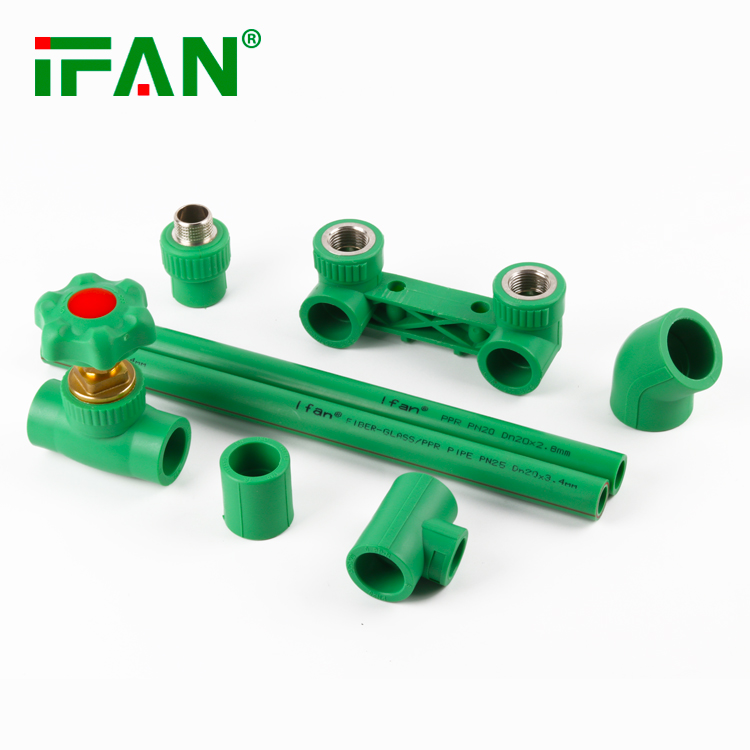
In conclusion, PPR pipes are the future of plumbing. They are modern, efficient, lightweight and highly durable. The environmental friendliness of PPR pipes ensures that you’re making a positive impact on the environment. PPR pipes have become the go-to option for plumbing experts, builders and homeowners alike, and they’re here to stay. So if you’re looking to upgrade your plumbing system, consider PPR pipes – the pipes of the future.
Share:

Facebook
Twitter
Pinterest
LinkedIn

Leave a Comment

Your email address will not be published. Required fields are marked *

On Key

Related Posts

IFAN PEX Press Fittings for Tight Space Installations

IFAN PEX Press Fittings for Tight Space Installations

Overcoming the Challenges of Confined Areas Plumbing installations are rarely straightforward. Whether renovating an older home with cramped crawlspaces or fitting out a commercial building with dense mechanical rooms, contractors frequently encounter areas where space is severely limited. In these environments, traditional joining methods like soldering or threading become extremely difficult, time-consuming, and sometimes dangerous.

Corrosion Resistance of Brass in IFAN PEX Press Fittings

Corrosion Resistance of Brass in IFAN PEX Press Fittings

The Critical Role of Brass in Long-Term Plumbing Reliability When evaluating the lifespan of a plumbing system, the pipe itself often receives the most attention. However, the fittings that connect those pipes are equally vulnerable to environmental and chemical attack. In PEX press systems, the brass body is the structural foundation that holds the entire

How IFAN PEX Press Fittings Reduce Installation Time

How IFAN PEX Press Fittings Reduce Installation Time

The Economics of Speed in Modern Plumbing In the construction and plumbing trades, time is directly tied to profitability. Every hour spent on a job site translates to labor costs, equipment rental fees, and potential delays for other trades. While the material cost of a project is highly visible, the hidden cost of installation time

Pressure Testing Procedures for IFAN PEX Press Fittings

Pressure Testing Procedures for IFAN PEX Press Fittings

The Final Verification of System Integrity Installing a piping network involves hundreds of individual connections. While the mechanical design of IFAN PEX Press Fittings is engineered to create a permanent, leak-proof seal, the only way to guarantee that every joint has been properly executed is through rigorous pressure testing. This final step is non-negotiable. It

IFAN PEX Press Fittings Compatibility with Different PEX Pipes

IFAN PEX Press Fittings Compatibility with Different PEX Pipes

Understanding the PEX Landscape In modern plumbing and heating systems, PEX (cross-linked polyethylene) has become the standard for water distribution. However, not all PEX pipes are manufactured using the same process. There are three primary types—PEX-A, PEX-B, and PEX-C—each with distinct molecular structures and physical properties. For contractors and system designers, a critical question arises:

Get Free Quote NOW