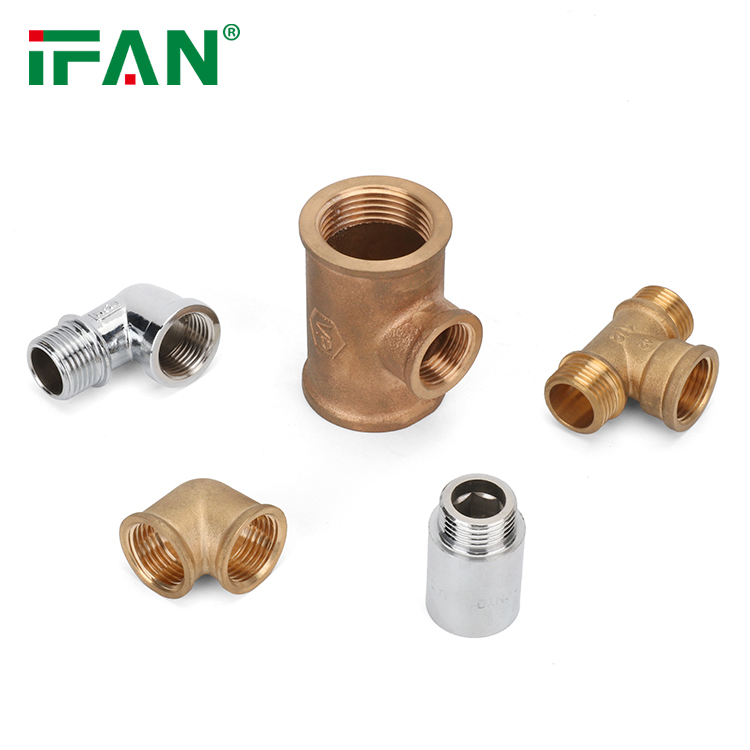
Brass fittings have become increasingly popular for plumbing installations due to their eco-friendliness and durability. In this article, we will explore the features and benefits of this sustainable option and highlight its value in both residential and commercial settings.
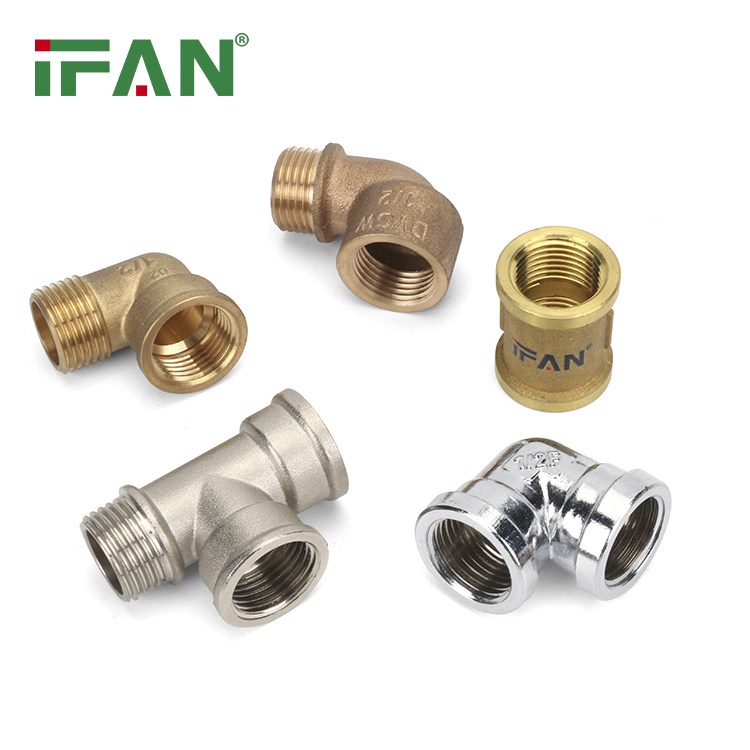
What are Brass Fittings?
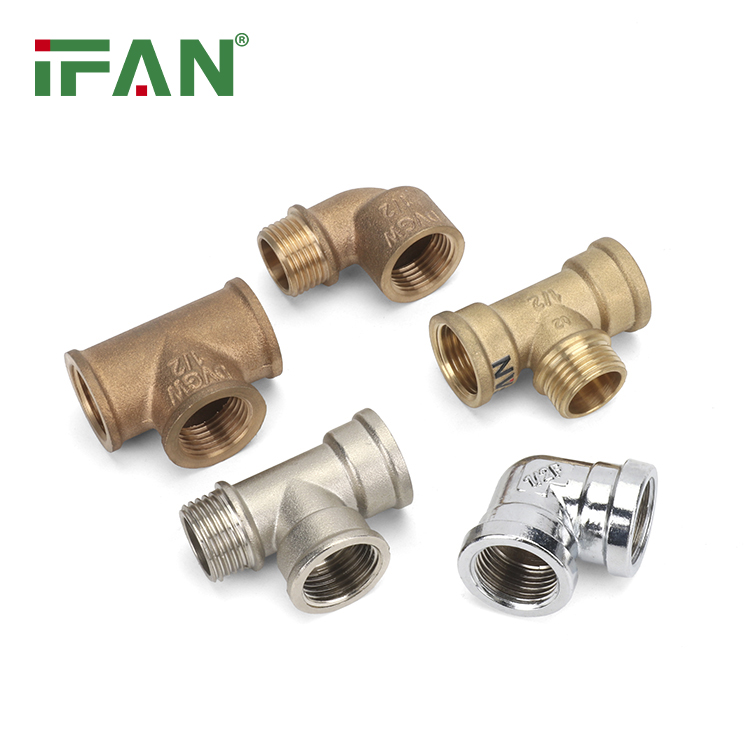
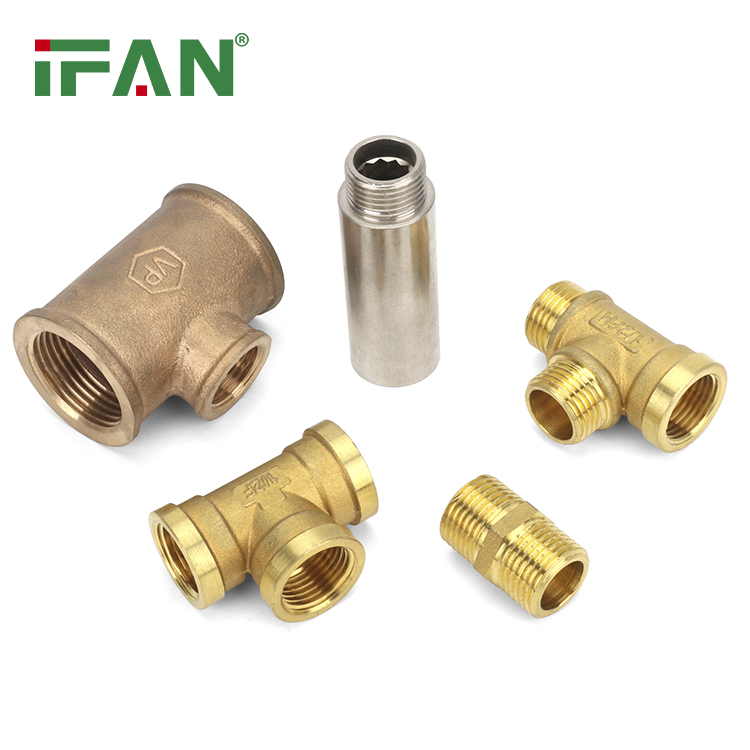
Brass fittings are made primarily of copper and zinc and are known for their corrosion resistance and strength. They are versatile and used in many plumbing applications, such as water supply lines, HVAC systems, and gas lines.
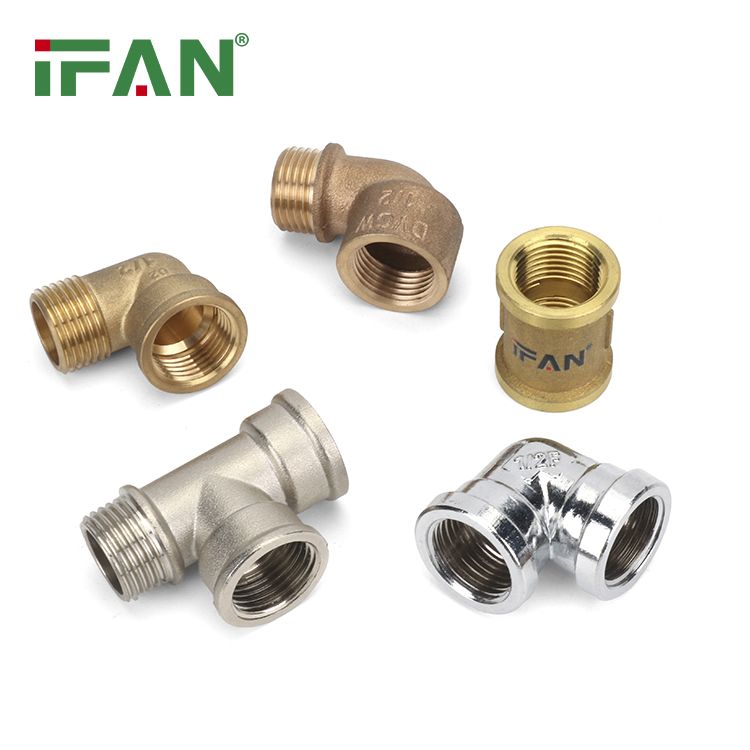
Sustainable and Eco-Friendly
One of the most significant advantages of brass fittings is their sustainability. Brass is a recyclable metal, and up to 90% of brass products can be recycled. This feature makes brass fittings an eco-friendly choice for both contractors and homeowners.
Durability
Brass fittings are incredibly durable and can last for decades without requiring a replacement. They can withstand high levels of pressure, temperature fluctuations, and corrosion, making them an ideal option for long-term use. This durability also saves you money on maintenance costs and reduces the frequency of replacements, which can be a significant expense.
Low Maintenance
Because of their durability, brass fittings require minimal maintenance. They do not rust or corrode, reducing the need for replacements and repairs. They are also easy to clean, requiring only a simple wipe down with soap and water to maintain their appearance.
Value
Brass fittings add value to any plumbing installation due to their long lifespan and low maintenance requirements. They have a professional and sleek appearance that enhances the aesthetic of any building, making them a worthwhile investment.
Conclusion
Brass fittings are the sustainable and eco-friendly option for any plumbing installation. Their durability and low maintenance requirements reduce costs and waste, making them a responsible choice for contractors and homeowners. Their value-added properties also make them an investment worth considering. Make the switch to brass fittings today and enjoy the benefits of this sustainable plumbing solution.