Introduction
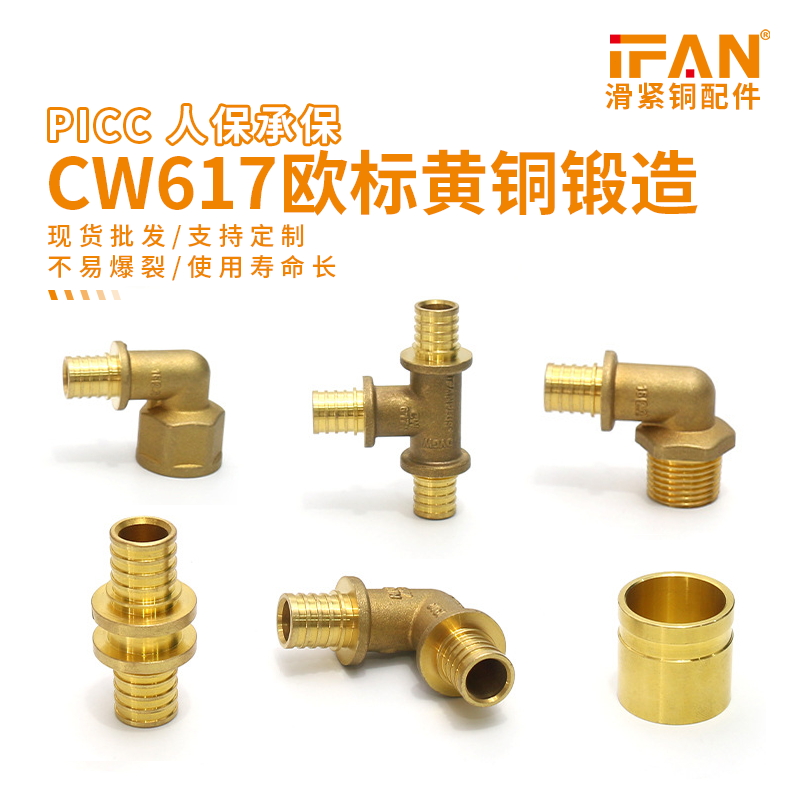
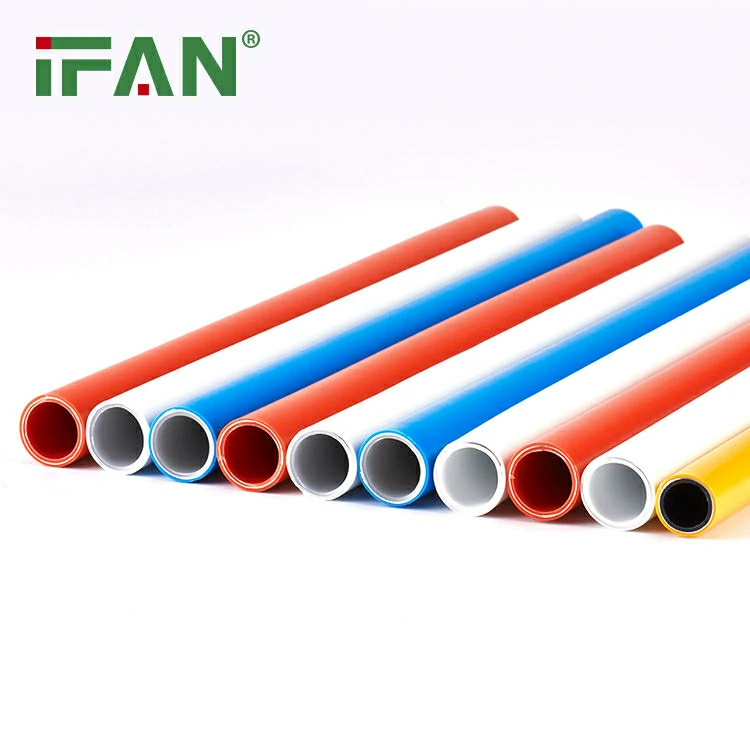
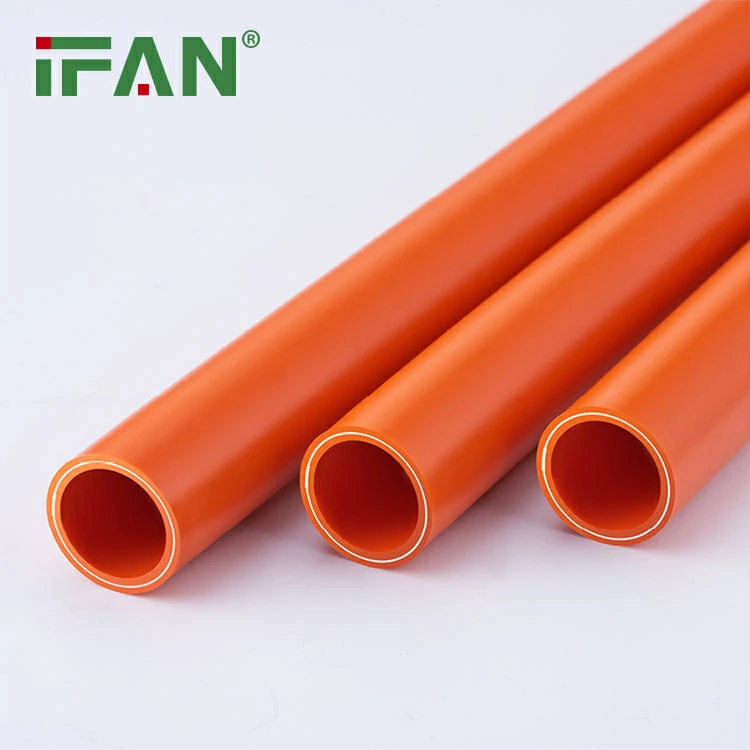
In the evolving landscape of plumbing systems, PEX (Crosslinked Polyethylene) pipes have gained significant popularity due to their durability, flexibility, and ease of installation. Among the various connection methods for PEX, slide-tight fittings stand out as a superior choice, offering unparalleled benefits to professionals in the industry. This comprehensive guide aims to provide an in-depth understanding of PEX slide-tight fittings, their advantages, installation procedures, and compliance with international standards.
Advantages of PEX Slide-Tight Fittings
PEX slide-tight fittings offer numerous advantages that make them a preferred choice for plumbers and installers. Firstly, they eliminate the need for threading or welding, significantly reducing installation time. Secondly, the large contact surface between the fittings and pipes ensures a secure and leak-proof connection. Additionally, the use of environmentally friendly materials ensures compliance with stringent water quality standards, preventing issues such as “red water” or contaminated water.
Installation Procedure
The installation of PEX slide-tight fittings is a straightforward process that can be easily mastered by professionals. It involves the use of a compression tool to tightly compress the fitting onto the PEX pipe, ensuring a secure connection. The fittings are designed with spherical convex ribs that allow for 360-degree rotation, providing flexibility in adjusting the pipe angle.
Compliance with International Standards
PEX slide-tight fittings comply with international standards, ensuring their reliability and safety. The fittings are tested rigorously to meet the requirements of various standards, including ASTM F2080-05 and GB/T 22051-2008. These standards ensure that the fittings have the necessary strength, durability, and leak-resistance properties required for safe plumbing installations.
Conclusion
In conclusion, PEX slide-tight fittings are an excellent choice for professionals in the plumbing industry. Their numerous advantages, including ease of installation, secure connections, and compliance with international standards, make them a reliable solution for various plumbing applications. By understanding the installation procedures and ensuring compliance with relevant standards, professionals can ensure the success of their plumbing projects.