Introduction to PE-RT Floor Heating Pipe
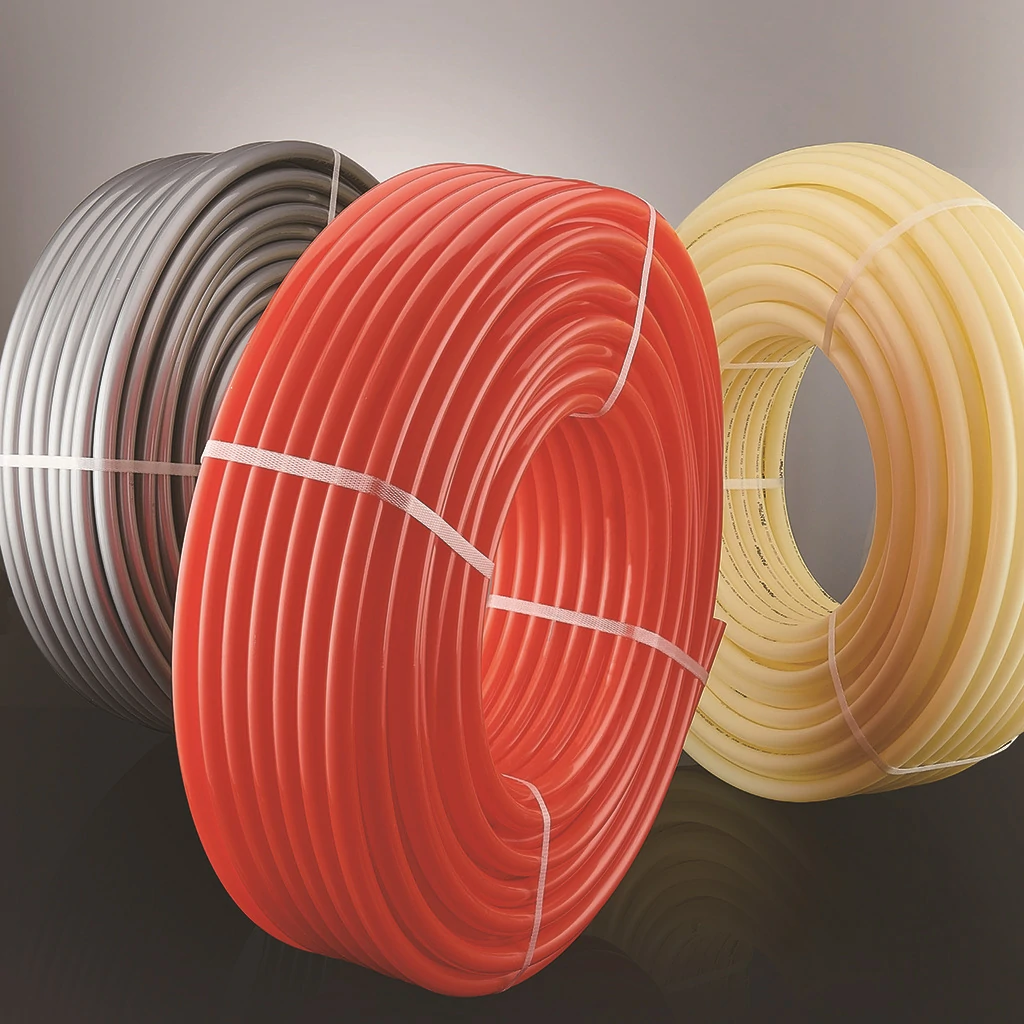
PE-RT floor heating pipe, also known as Polyethylene of Raised Temperature Resistance, has become a preferred choice for modern floor heating systems. Its unique properties and advantages make it a reliable and efficient solution for both residential and commercial applications.
Material Composition and Properties
PE-RT pipe is composed of polyethylene material specifically designed to withstand high temperatures. Its special molecular structure, achieved through the copolymerization of ethylene and octene, provides superior heat resistance. PE-RT pipe can safely operate at temperatures up to 90°C, ensuring long-term stability and durability.
Key Advantages of PE-RT Floor Heating Pipe
- Excellent Heat Resistance: PE-RT pipe’s ability to withstand high temperatures ensures efficient heat transfer and distribution in floor heating systems. This results in faster heating and more uniform temperature distribution.
- Superior Flexibility: PE-RT pipe offers excellent flexibility, allowing it to be easily bent and installed in various layouts and configurations. This flexibility also facilitates easy maintenance and repairs.
- Durability and Longevity: PE-RT pipe is highly resistant to corrosion and chemical degradation. It can withstand harsh environments and maintain its performance for decades, ensuring a long-lasting floor heating solution.
- Eco-Friendly: PE-RT pipe is made from environmentally friendly materials that are recyclable and non-toxic. Its production process also consumes less energy and generates fewer emissions, making it a sustainable choice for floor heating.
- Cost-Effective: PE-RT pipe offers excellent value for money. Its long lifespan and efficient heat transfer properties result in lower maintenance costs and energy bills, making it a cost-effective investment.
Application Scenarios
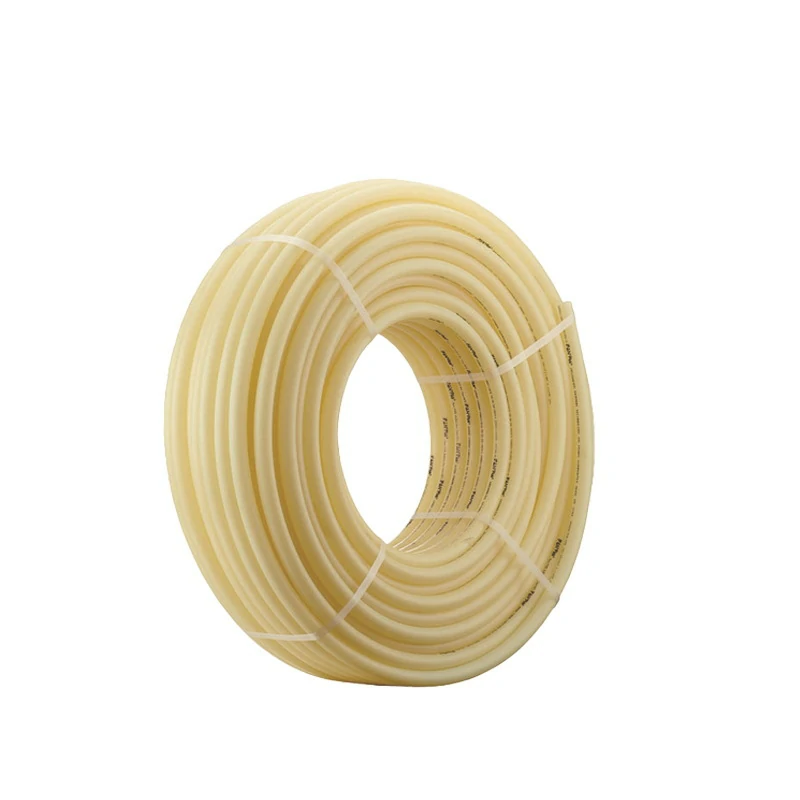
PE-RT floor heating pipe is suitable for a wide range of applications, including residential homes, apartments, offices, schools, hospitals, and other commercial buildings. It can be used in both new construction and retrofit projects, providing a comfortable and efficient heating solution.
Installation and Maintenance
Installing PE-RT floor heating pipe requires the use of specialized tools and techniques. It is important to follow the manufacturer’s instructions and ensure that the pipe is properly laid out and connected. Regular maintenance, such as checking for leaks and ensuring that the system is operating efficiently, is also crucial for maintaining the performance of PE-RT floor heating pipe.
Conclusion
PE-RT floor heating pipe offers a comprehensive solution for modern floor heating systems. Its superior heat resistance, flexibility, durability, eco-friendliness, and cost-effectiveness make it a preferred choice for both residential and commercial applications. With proper installation and maintenance, PE-RT pipe can provide long-lasting and reliable heating performance.